Pont-Sainte-Maxence France | Oise River Heritage & Nature Guide

A heron takes off from the bank, flies over the river and disappears toward the tall trees of the Halatte Forest. In Pont-Sainte-Maxence, the Oise flows between two worlds: the industrious valley that supported generations of boatmen, and the vast royal forests that served as hunting grounds for the kings of France. The small town stretches across both banks, around the bridge that gives it its name and a history surprisingly rich for its size.

A crossing point since time immemorial

The ford, and then the bridge, made the place's fortune: people have crossed the Oise here since antiquity, on the road linking Paris to Flanders. An interpretive trail now runs along the bank and tells of this past of river trade, fortifications and commerce. Strolling from the quay toward the centre, you notice witnesses from every era, from the remains of old defences to an elegant Art Deco façade. The landscaped banks invite leisurely walks, and Sunday anglers hold court there as in the days of the open-air dance halls.

The royal abbey of Le Moncel

The port call's jewel lies a few minutes from the quay, in Pontpoint. Founded in 1309 by Philip the Fair, the royal abbey of Le Moncel housed Poor Clare nuns until the Revolution. Its Gothic buildings, remarkable timber roof frames, vaulted cellars and six-hectare walled park on the banks of the Oise form one of the best-preserved monastic ensembles in the region. Gardens recreated in medieval style, with vegetable and medicinal herb beds laid out in squares, add a lively touch to the visit; you quickly understand why period film shoots are so fond of the place. The visit immerses you in the daily life of a medieval monastery with a charm that the big tourist abbeys have sometimes lost.

Halatte Forest, a cathedral of greenery

South of the town begins the Halatte Forest, a stretch of oaks and beeches rolling toward Senlis. Nearby Mont Calipet offers a view over the valley and trails accessible during a port call. Hikers will find a silent, forested France there; cyclists can follow the marked routes linking the river to the forest's edge.

Royal Senlis, on an excursion

About twelve kilometres away, Senlis is worth the excursion if your time in port allows: a Gothic cathedral with an admirable spire, cobbled lanes, Gallo-Roman ramparts and mansions where the memory of the first Capetians still lingers. The contrast is striking between this city of golden stone and the working valley you have just left.

At the table between the Oise and the orchards

The region feeds its visitors without fuss: game from the forests in season, Picardy cheeses and rustic tarts. At the markets, producers from neighbouring villages sell honey, fruit and vegetables that end up that very evening on the barges' tables. It is hearty, generous country cooking.

The river by bike

Here, the Oise lends itself to an original formula: the bike-and-barge cruise. You travel down the river by boat and return along the bank by bike — or the other way around — between Compiègne and Pont-Sainte-Maxence, skirting the Pontpoint ecological reserve and the village of Rhuis. The flat, shaded path reveals views of the river that the road misses completely. A fine way to earn your supper.

Lines cast off

When the mooring lines are released, the town returns to its routines, and travellers take away a unique impression: that of having touched, in a few hours, a thousand years of French history — a bridge, an abbey and a royal forest. Great ports of call do not have a monopoly on great memories.

Frequently Asked Questions

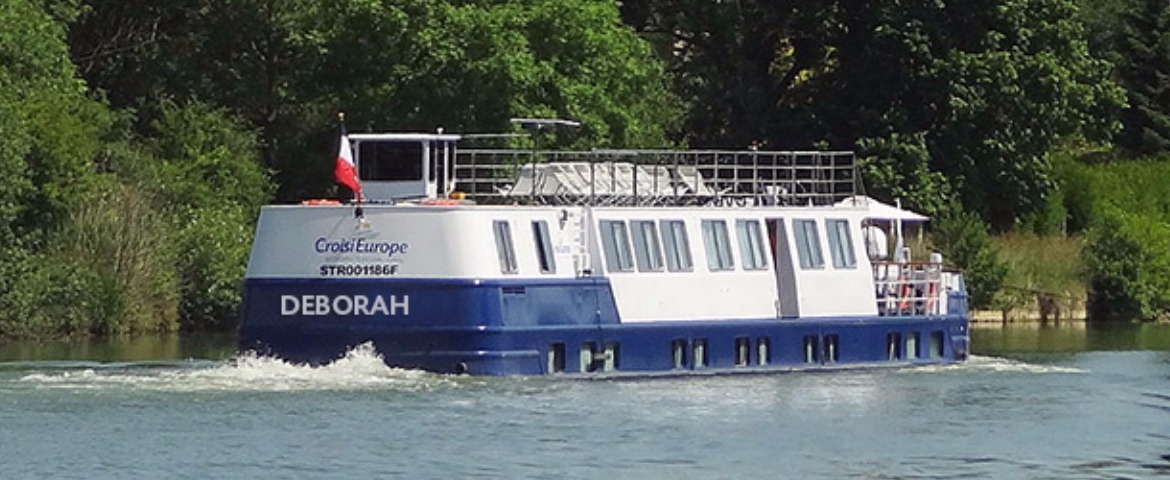
Along the landscaped banks of the Oise, in the heart of the small town that spreads across both shores around its bridge. Only modest river vessels call here, and the town centre begins at the end of the gangway.
Yes, easily. An interpretive trail follows the riverbank and tells the story of barge traffic, fortifications and trade. Walking from the quay into the centre you pass remains of old defences and an elegant Art Deco facade. Allow an hour to wander.
Visit the royal abbey of Moncel at nearby Pontpoint, minutes from the quay. Founded in 1309 by Philip the Fair, it housed Poor Clares until the Revolution and ranks among the best preserved monastic complexes in the region: Gothic buildings, remarkable timber roofs, vaulted cellars and a six-hectare walled park on the Oise.
You go inside. The tour covers daily life in a medieval monastery, with gardens recreated in medieval style, a kitchen garden and squares of medicinal herbs. Period film shoots use the site often, which says a great deal about its condition.
Yes. Senlis is about twelve kilometres away and worth the excursion if the call is long enough: a Gothic cathedral with a striking spire, cobbled lanes, Gallo-Roman ramparts and fine townhouses. The contrast with the working river valley you just left is striking.
Yes. The Halatte forest begins just south of town, oak and beech rolling toward Senlis. Nearby Mont Calipet gives a view over the valley and has trails short enough for a port call.
Yes, and it is something of a local speciality: the cycle-cruise. You go down the Oise by boat and return along the bank by bicycle, between Compiègne and Pont-Sainte-Maxence, passing the Pontpoint ecological reserve. The path is flat and shaded.
The euro. Cards work in shops and restaurants, but bring cash for market producers and small sites where a card terminal is not always available.
French, almost exclusively. This is a small Picardy town that lives off its valley, not a port call practised in English.
Straightforward country cooking: forest game in season, Picardy cheeses, rustic tarts. At the markets, growers from neighbouring villages sell honey, fruit and vegetables that reach the barge tables the same evening.