Pontoise France | Oise River Heritage & Cultural Cruise Guide

Camille Pissarro painted these riverbanks for years: the calm river, the rooftops huddled on the hill and the cathedral emerging from the trees. Docking in Pontoise, travellers literally step into an Impressionist painting. The historic capital of the French Vexin, the town tiers its lanes above the Oise and carefully cultivates its dual identity: a medieval city and the cradle of open-air painting.

The upper town and its stones

From the quay, you climb toward the old centre along streets that quickly reveal the place's personality. Saint-Maclou Cathedral, Gothic and remodelled in the Renaissance, towers over the rooftops with its ornate tower; the Church of Notre-Dame, the remains of the ramparts and the network of tunnels dug into the limestone recall that Pontoise was long a stronghold on the kingdom's borderlands, facing the dukes' Normandy. Saint Louis stayed here, kings held Estates General here, and this frontier-town past explains the surprising density of churches and convents in such a small area.

In Pissarro's footsteps

Pontoise holds the title of Town of Art and History, and Impressionism is right at home here. The Camille Pissarro Museum, set in a bourgeois house on the heights, looks out over the very landscapes the master painted; the Tavet-Delacour Museum completes the visit in a fine Gothic mansion. Heading back down to the river, you recognize the quays, gardens and glimpses of light that drew Pissarro here, as well as Cézanne, Daubigny and Gauguin.

Auvers-sur-Oise, Van Gogh's village

The port call's signature excursion heads up the river to Auvers-sur-Oise, a few kilometres away. Vincent van Gogh spent the last seventy days of his life there in 1890, in a creative fever that produced some seventy canvases: the church at Auvers, the wheat fields and the portrait of Dr. Gachet. You visit the Auberge Ravoux and his modest room, then climb to the cemetery where Vincent and his brother Theo rest, among the wheat fields he painted so often. Few places in the world pack so much emotion into such a small area.

The taste of the Vexin

The farming plateau surrounding Pontoise supplies its markets with vegetables, honey and cheeses from the Île-de-France. The town also has its treats, and the terraces of the old centre invite a break on the way back from the heights — a chance to observe the local life of a lively, student-filled prefecture on a human scale. On Saturday mornings, the downtown market spills out from the market hall into the neighbouring streets, and you can hear the town's true heart beating, far from the suburban image Pontoise does not deserve.

The painters' river

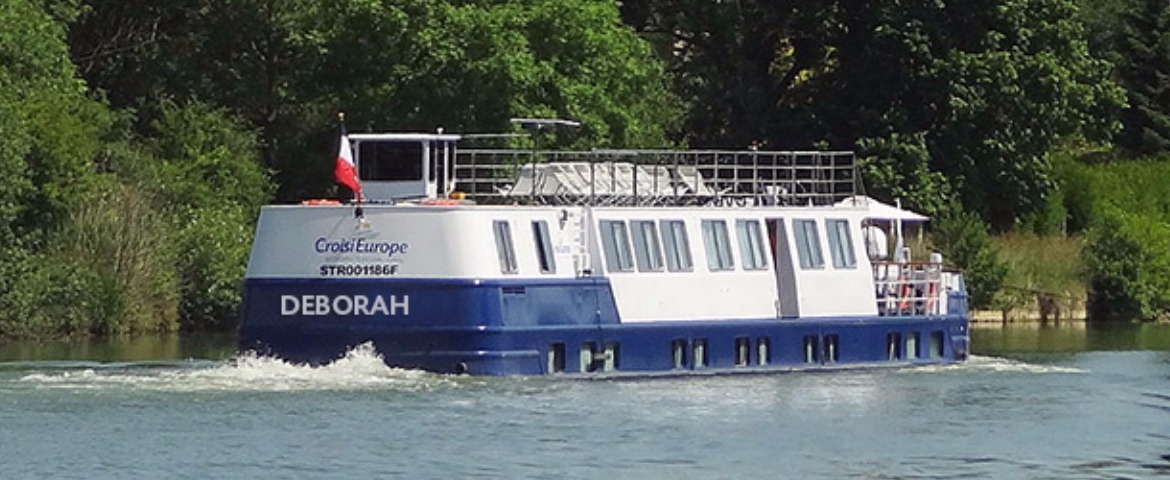
From mid-May to the end of October, narrated cruises travel up the Oise on the theme of Impressionism, linking the landscapes painted by Daubigny, Pissarro, Cézanne and Van Gogh. Seen from the water, the hillsides, islands and washhouses regain exactly the framing of the canvases; the commentary helps you overlay the work and the landscape. It is undoubtedly the best way to understand why these few kilometres of river changed the history of painting.

Evening light on the Oise

At the end of the day, as the sun sinks over the river, the banks of Pontoise take on exactly the hues the Impressionists captured on their canvases. The ship departs with that light in memory, and one certainty: here, painting invented nothing. It simply looked closely.

Frequently Asked Questions

On the Oise quays, at the foot of the upper town. Pontoise stacks its lanes above the river, so from the quay you climb toward the old centre through streets that quickly reveal the town's character.
Yes, but be ready to climb. Saint-Maclou cathedral, the Notre-Dame church and the remains of the ramparts all sit in the upper town above the quay. The climb is short but real; travellers with limited mobility are better off taking a taxi.
Two options that do not combine well. Either Pontoise itself: the upper town, Saint-Maclou cathedral, the Camille Pissarro museum and the Tavet-Delacour museum. Or the excursion to Auvers-sur-Oise, which takes half a day. Choosing means giving something up, but it beats rushing.
Camille Pissarro painted here for years: the calm river, the roofs packed on the hillside, the cathedral rising above the trees. Cézanne, Daubigny and Gauguin followed. The Camille Pissarro museum, in a bourgeois house on the heights, looks out over the very landscapes he painted.
By organised excursion or taxi, a few kilometres upriver. It is the headline outing of the call: Vincent van Gogh spent the last seventy days of his life here in 1890 and produced roughly seventy canvases.
The Auberge Ravoux and the spare room where Van Gogh lived, the church he painted, the wheat fields, and the cemetery where Vincent and his brother Theo lie. Few places in the world concentrate so much emotion in such a small area.
Yes, from mid-May to late October. Guided cruises head up the Oise on an Impressionist theme, linking landscapes painted by Daubigny, Pissarro, Cézanne and Van Gogh. Seen from the water, the slopes and washhouses match the framing of the canvases exactly.
The euro, and cards are accepted without difficulty. Pontoise is a busy prefecture town, not an isolated village. A little cash is still useful for the Saturday morning market.
French. The town goes about its life as a lively university prefecture without bending over backwards for foreign visitors.
May to October, when the Impressionist cruises run and the light on the Oise resembles the paintings. Late in the day, as the sun drops toward the river, the banks take on exactly the tones the painters recorded.