Saint-Florent Corsica France

16 Cruises availables At departure or passage at this port

Port of Saint-Florent, Corsica | Cruise Port Guide

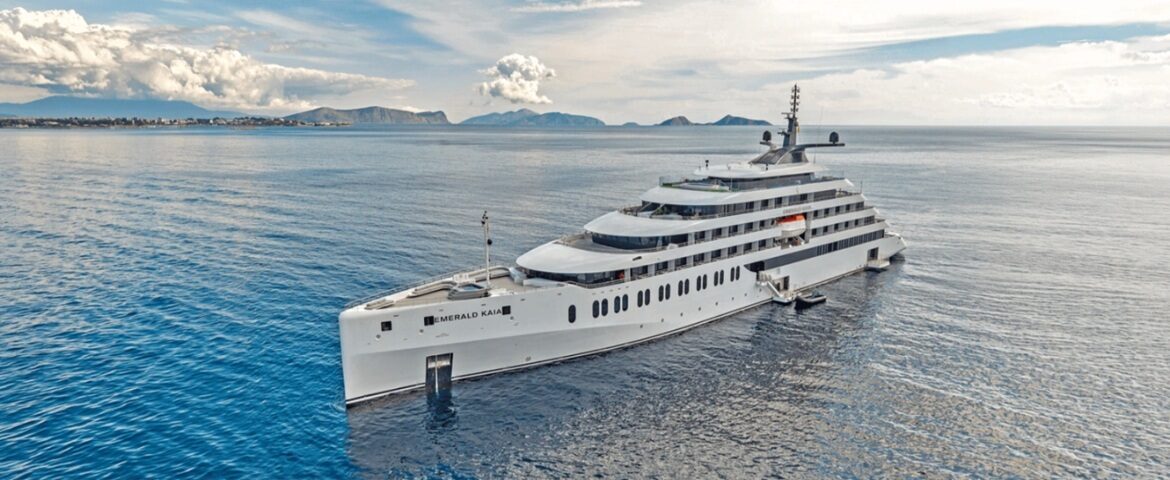
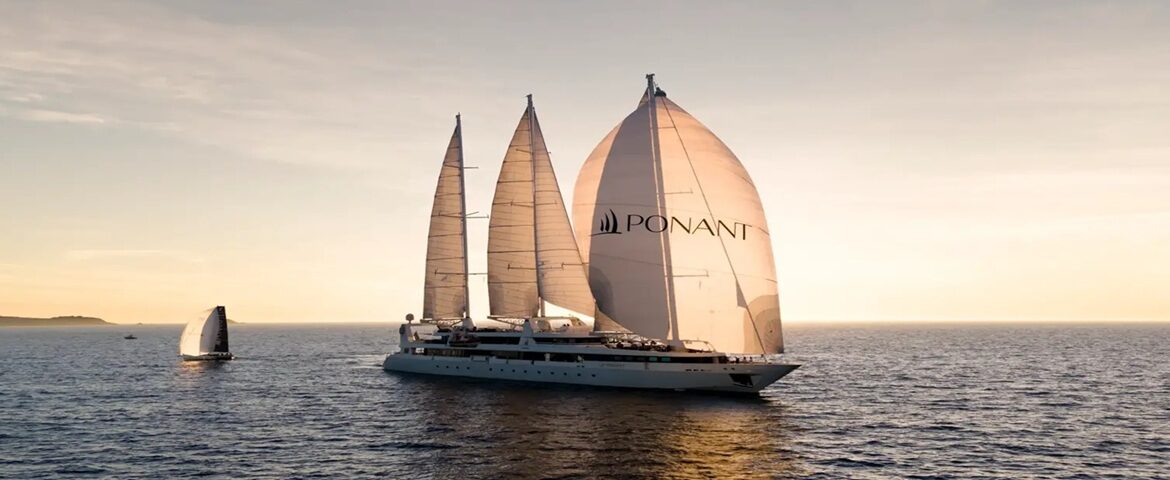
Between the last foothills of Cap Corse and the rugged hills of the Agriates Desert, the Gulf of Saint-Florent opens an interlude of calm water where the mountains seem to lean over the sea. The small ships that stop here anchor in the bay and bring their passengers ashore by tender at the foot of the terraces. The former Genoese stronghold, now one of the most popular anchorages in the Mediterranean, can then be explored on foot, between the citadel, the lanes and the quays where the nets of the last pointus (traditional fishing boats) dry in the sun.

The round citadel of the Genoese

Built in 1440 to lock down the gulf, the citadel crowns a promontory above the rooftops. You can walk up freely in about ten minutes, and the effort is amply rewarded: from the parapet walk, the view takes in the blue expanse of the bay, the ridges of the Nebbio and, on a clear day, the pale line of the Agriates. Long the residence of the governors and seat of the bishopric of Nebbio, the fortress, with a circular plan unusual in Corsica, now watches over the comings and goings of sailboats and the evening games of pétanque.

The cathedral set among the gardens

A few minutes' walk from the centre, amid gardens and vines, stands one of the island's most remarkable Romanesque monuments: Santa Maria Assunta, the former cathedral of the Nebbio, built in the 12th century by builders of Pisan inspiration. Its blond limestone façade, sober and punctuated by blind arcades inhabited by carved creatures, hides a nave of great purity where the relics of St. Flor, a martyred Roman soldier, rest. The contrast between this silent vessel, alone among the vines, and the bustle of the quays sums up the dual nature of the place.

Lanes, Place Doria and quayside life

The old quarter tucks itself behind the waterfront: narrow passages, laundry at the windows, small squares where Corsican is spoken as much as French. On Place Doria, a fountain topped by a frog serves as a meeting point for the old-timers, in the shade of the bell tower of the 17th-century Church of Sainte-Anne. Heading back down to the water, the terraces invite you to sample island fare: charcuterie from the maquis, sheep's milk cheeses, spiny lobster for special occasions, and the wines of Patrimonio, whose vineyard, the first on the island to earn an appellation of origin, begins barely five kilometres away, just over the pass.

The beaches of the Agriates

From the quays, boat shuttles speed in half an hour to two stretches of sand regularly cited among the most beautiful on the island: Lotu beach and Saleccia beach, backed by the Agriates maquis. Translucent water, pale sand, not a building on the horizon: the place has to be earned, since you have to work around the shuttle schedules, but a swim there is often the dominant memory of the day. Walkers will prefer the coastal path to the Mortella tower, whose ruined silhouette so impressed English officers that it is said to have inspired their famous Martello towers.

Good to know

  • Tender landing at the old harbour; the entire centre can be explored on foot.
  • Shuttles to Lotu and Saleccia: tickets on the quays, limited seats in high season.
  • Patrimonio wine cellars reachable by taxi in under fifteen minutes.
  • Ice cream and terrace cafés from the morning on: the golden hour for watching local life.
  • Pack a swimsuit and towel in your day bag, even with no excursion planned: the temptation will come.

Later, the low light gilds the citadel, the masts sway gently, and Saint-Florent takes on the air of a well-kept secret between mountains and Mediterranean. You climb back on board with salt on your skin, the memory of a muscat, and the certainty that the Corsica of quiet gulfs is well worth the Corsica of the great coastal cities.

Frequently Asked Questions

By tender at the old basin: the small ships that call here anchor in the bay and land passengers at the foot of the terraces. The whole centre is then walkable.
Yes, in about ten minutes, and access is free. Built in 1440 to seal off the gulf, it crowns a promontory above the rooftops. From the rampart walk the view takes in the bay, the Nebbio ridges and, on clear days, the pale line of the Agriates.
Either the village on foot with the citadel and the cathedral, or a boat shuttle to the Agriates beaches. The two do not fit together: the shuttles to Lotu and Saleccia run on their own timetable, and a tight return ruins the day.
By boat shuttle from the quays, about half an hour. Tickets are sold on the spot and places are limited in high season. Translucent water, pale sand, no buildings on the horizon: the spot has to be earned around the timetable, but the swim is often the day's strongest memory.
The former cathedral of Nebbio, built in the 12th century by Pisan-influenced masons, a few minutes' walk from the centre among gardens and vines. Its pale limestone facade, ranked with arcading inhabited by carved creatures, hides a nave of great purity where the relics of Saint Flor rest. It is one of the finest Romanesque monuments on the island.
Narrow passages, washing at the windows, small squares where Corsican is spoken as much as French. On Place Doria, a fountain topped with a frog serves as the gathering point for the older residents, in the shade of the 17th-century Sainte-Anne bell tower.
Yes, the cellars are reachable by taxi in under fifteen minutes. Patrimonio was the first vineyard on the island to obtain an appellation of origin, and its vines begin barely five kilometres away over the pass.
The coastal path toward the Mortella tower. Its ruined outline so impressed English officers that it is said to have inspired their famous Martello towers. It is a coastal walk without major difficulty, but exposed to the sun.
The island plate: maquis charcuterie, sheep's milk cheeses, spiny lobster for special occasions, and Patrimonio wines. The seafront terraces serve ice cream and coffee from the morning on, the golden hour for watching local life.
The euro, and yes: put a swimsuit and towel in your day bag even without a planned excursion, because the temptation will come. Cards work in shops and restaurants, but keep cash for shuttles and taxis.