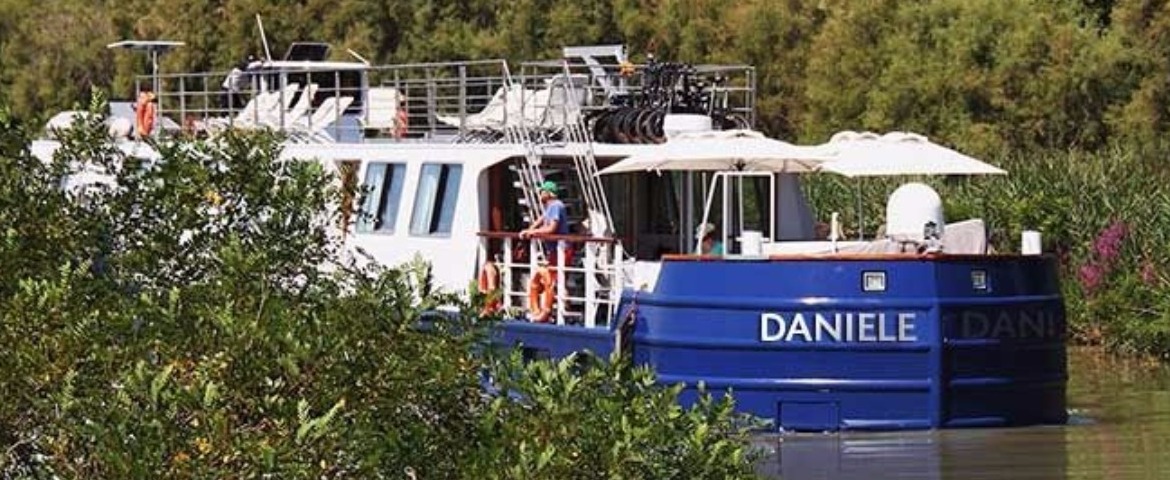
Saint-Léger-sur-Dheune, France | Cruise Port Guide

On the Canal du Centre, time is measured in locks rather than kilometres. Saint-Léger-sur-Dheune is one of the most pleasant stops on this waterway, dug at the end of the 18th century to link the Saône to the Loire, on the edges of Saône-et-Loire. The canal long served to transport coal and goods between the two basins; today it belongs entirely to pleasure boaters. The port, shaded and flower-filled, serves as a base for many rental boats: you dock amid a good-natured coming and going of summer sailors, cyclists and anglers. The village bell tower peeks out from behind the trees, a few minutes' walk from the landing stage.

A real village, with everything you need

Unlike many canal stops, Saint-Léger lines up shops and services within walking distance of the landing stage: bakery, butcher, grocery, pharmacy, cafés. This vitality makes it a popular resupply stop for boaters, but also a vantage point on rural Burgundian life. You exchange weather talk with the baker, watch the old-timers play cards on a terrace, pick out a goat cheese and a dry sausage for the evening apéritif. Nothing extraordinary, and yet everything is there: the bell tower chiming the hours, geraniums in the windows, conversation struck up without fuss with whoever comes along. Residents are used to passing visitors and show it with an easygoing friendliness.

The spectacle of the locks

Along the basin, canal activity provides constant entertainment. Rental boats manoeuvre with varying degrees of success, the gates open with a hiss of water, and the regulars hand out advice and a helping hand to beginners tangled in their mooring lines. The Dheune, the discreet river that gave the village its name, winds in parallel through the meadows. It's a landscape of wet hedged farmland, dotted with willows, Charolais cattle and bell towers, best savoured at water level rather than through a car window. Taking the time to watch a complete lock cycle, stopwatch in pocket, is here the fine art of doing nothing.

The greenway, an invitation to pedal

The towpath is part of one of Europe's great cycling routes, the cycle path that runs from Nantes to Budapest. Flat, safe and dotted with hamlets, it lets you improvise an outing with no notable elevation gain, in either direction: toward Santenay and the first vines of the Côte to the northeast, or toward the more secret landscapes of the Dheune valley to the southwest. The vineyards of the Côte Chalonnaise, Rully, Mercurey and their wine cellars, are only a few kilometres away and feature in excursions depending on the program. Walkers will be content with the towpath: an hour's round trip is enough to come across herons, coypu and taciturn anglers.

Good to know

  • All essential shops less than a ten-minute walk from the port.
  • Bike rentals available in season; greenway accessible directly from the towpath.
  • Markets and wine cellars in the area: ask on board for days and hours.
  • Little shade on some sections of the towpath in summer: a hat and water bottle are recommended.
  • The bakery is stormed in the morning by passing boat crews: go early for the pastries.

When the last boats tie up and the surface of the basin regains its mirror-like calm, Saint-Léger-sur-Dheune looks like an image of a France you thought had disappeared: a canal, plane trees, a bakery filling the air with its aroma. The great names of wine-growing Burgundy shine a few hills away, but it's often this unpretentious stop that travellers remember most fondly.

Frequently Asked Questions

At the village port on the Canal du Centre, in Saône-et-Loire. The port is shaded and planted with flowers, and serves as a base for many hire boats. The church tower shows through the trees, minutes from the pontoon.
Yes, and that sets this stop apart from many others on the canal: bakery, butcher, grocery, pharmacy and cafes are all within ten minutes' walk of the port. It is a resupply stop valued by boaters.
Watch the boats work through the locks, wander the village, and ride out on the greenway. There is no monument to tick off: the interest lies in canal life and in watching the Burgundy countryside.
A waterway dug in the late 18th century to link the Saône to the Loire. It long carried coal and goods between the two basins; today it belongs entirely to pleasure boaters.
Yes, and it is the best outing. The towpath is part of the cycle route running from Nantes to Budapest: flat, safe, dotted with hamlets, with no significant gradient. Toward Santenay to the northeast or the Dheune valley to the southwest.
Yes, the Côte Chalonnaise is a few kilometres away: Rully, Mercurey and their cellars feature in excursions depending on the programme. Check on board for days and times, which vary.
A continuous entertainment: hire boats manoeuvre with varying success, gates open with a hiss of water, and regulars hand out advice and a helping line to beginners tangled in their ropes. Watching one full lock cycle here counts as the fine art of doing nothing.
The euro. Village shops generally take cards, but keep cash: in a village this size not everything is equipped, and markets rarely are.
A hat and a water bottle. Some sections of the towpath offer little shade in summer, and the Burgundy sun is stronger by the water than you expect.
Go early. Passing crews descend on it in the morning and the pastries go fast. A small detail, but it makes the difference between a good memory and a queue.