Saint-Raphael France Riviera

34 Cruises availables At departure or passage at this port

Seabourn Cruise Line (30 Cruises)

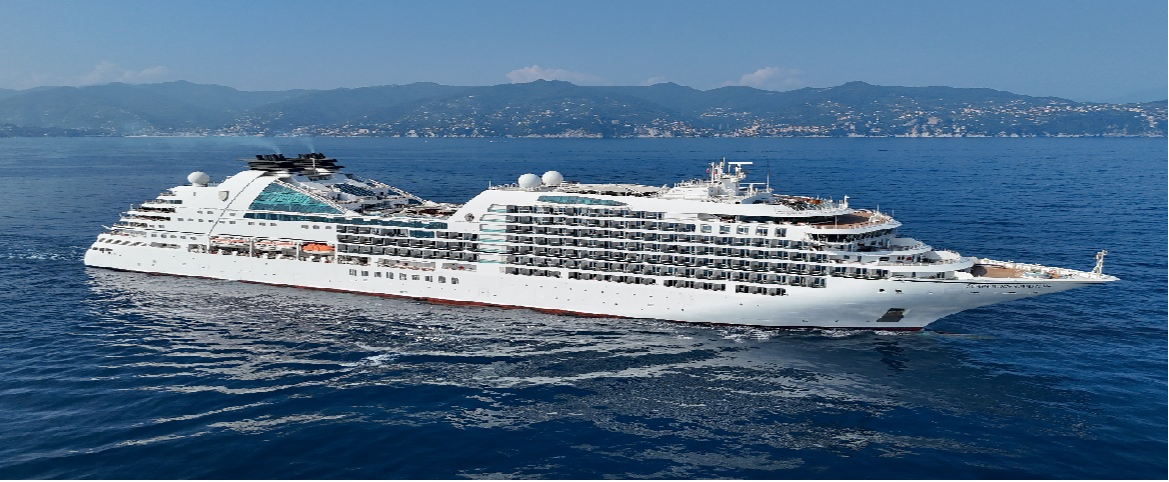
Seabourn Ovation.

Seabourn Ovation

40350 tons
Visit the ship's page

Port of Saint-Raphaël, France | Cruise Port Guide

Red and blue share the horizon. Approaching Saint-Raphaël, the ship skirts the scarlet porphyry of the Esterel massif, plunging into a deep blue Mediterranean: this striking contrast makes for one of the most beautiful arrival scenes on the French Riviera. Ships anchor in the bay and bring their passengers ashore by tender at the Santa Lucia basin, about two kilometres from the centre; a pleasant thirty-minute seaside walk, or a short shuttle ride, leads to the Old Port.

A resort born in the 19th century

Saint-Raphaël owes its rise to the vogue for sea bathing and the arrival of the railway, which drew writers, musicians and wealthy winter visitors. The seafront retains ornate villas from that era and a casino facing the harbour. Along the Old Port, café terraces watch the comings and goings of pointus (traditional fishing boats) and pleasure craft, while the neo-Byzantine Basilica of Notre-Dame de la Victoire raises its pale domes above the plane trees. The atmosphere remains that of a seaside town that's lively year-round, less flashy than its neighbours, and that's precisely what makes it endearing. In season, swimmers share the red-rock coves and the sandy beaches of the centre, a few minutes' walk from the cafés.

The old quarter and its fortified church

A few streets from the shore, the old houses cluster around the Church of San Rafeu, built in the 12th century. A watchtower crowns one of its chapels: the horizon was once watched from here, since the building served as a refuge during attacks by Barbary pirates. The small archaeological museum next door displays amphorae brought up from the surrounding seabed, evidence of Roman trade along this coast. The Provençal market and shaded little squares round out the stroll.

Roman Fréjus, next door

The twin town of Fréjus begins less than four kilometres from the Old Port. Founded by Julius Caesar as Forum Julii, it preserves an amphitheatre, remains of an aqueduct and, above all, a remarkable episcopal complex: its 5th-century baptistery ranks among the oldest in France, and the cathedral cloister shelters an astonishing ceiling painted with fantastic creatures. A city bus links the two towns in a few minutes; the excursion is easily combined with a visit to Saint-Raphaël in the same half day.

The Esterel, by sea or by trail

Nature lovers have another option: the Esterel massif. Its red rocks can be discovered on an excursion along the Corniche d'Or, one of the most spectacular coastal roads in France, or on foot from the coastal inlets. Along the way, Dramont beach preserves the memory of the August 1944 Provence landings, facing the tiny islet of Île d'Or and its crenellated tower, which is said to have inspired Hergé for The Black Island. From Quai Nomy, launches also offer the crossing to Saint-Tropez, an hour's sail along the coast.

Port call landmarksDetails
LandingBy tender at Santa Lucia, 2 km from the centre
Old quarterSan Rafeu church and archaeological museum
FréjusLess than 4 km away, city bus
To tasteGrilled fish, market fruit, Provence rosés

Before going back on board

At the end of the day, the low light sets the Esterel ablaze and softens the façades along the seafront. All that's left is to treat yourself to one last coffee facing the harbour, where the locals gather after work. This port call never overwhelms its visitors with grandeur: instead, it offers them the French Riviera as one still hopes to find it, made of bold colours, discreet history and a gentle way of life.

Frequently Asked Questions

By tender at the Santa Lucia basin, about two kilometres from the centre, since ships anchor in the bay. A pleasant thirty-minute coastal walk or a short shuttle reaches the old port.
The old quarter with the San Rafeu church and the archaeological museum, then Fréjus less than four kilometres away by city bus. The two combine easily in a single half day, which is rare on this coast.
A 12th-century church in the heart of the old quarter, with a watchtower crowning one of its chapels. The horizon was once watched from there, as the building served as a refuge during Barbary pirate raids. The small archaeological museum next door displays amphorae raised from the surrounding seabed.
Because the twin town, founded by Julius Caesar as Forum Julii, retains an amphitheatre, aqueduct remains and above all a remarkable episcopal complex. Its 5th-century baptistery is among the oldest in France, and the cathedral cloister holds a startling painted ceiling of fantastical creatures.
The scarlet porphyry cliffs plunging into the Mediterranean west of town. The contrast of red against blue makes one of the finest arrival landscapes on the Côte d'Azur. It is seen on an excursion along the Corniche d'Or or on foot from the coastal inlets.
Yes. The red rock coves and the sand beaches of the centre are minutes on foot from the cafes. That is one reason to prefer Saint-Raphaël over calls where swimming requires transport.
The memory of the August 1944 Provence landings, facing the tiny Île d'Or with its crenellated tower, said to have inspired Hergé's Black Island. It is a short stop on the corniche road.
Yes, boats leave from Quai Nomy for an hour's run along the coast. But on a normal call the round trip leaves little time ashore: save this outing for long calls.
The euro and French. Cards are accepted everywhere. The Provençal market and shaded squares lend themselves to a few cash purchases.
No, and that is what makes it likeable. The feel is that of a seaside town alive year round, less flashy than its neighbours. Late in the day, a last coffee facing the bay where locals gather after work says more than many guided visits.