Saverne France
63
Cruises availables
At departure or passage at this port
CroisiEurope (63 Cruises)
MS Jeanine
28 Cruises
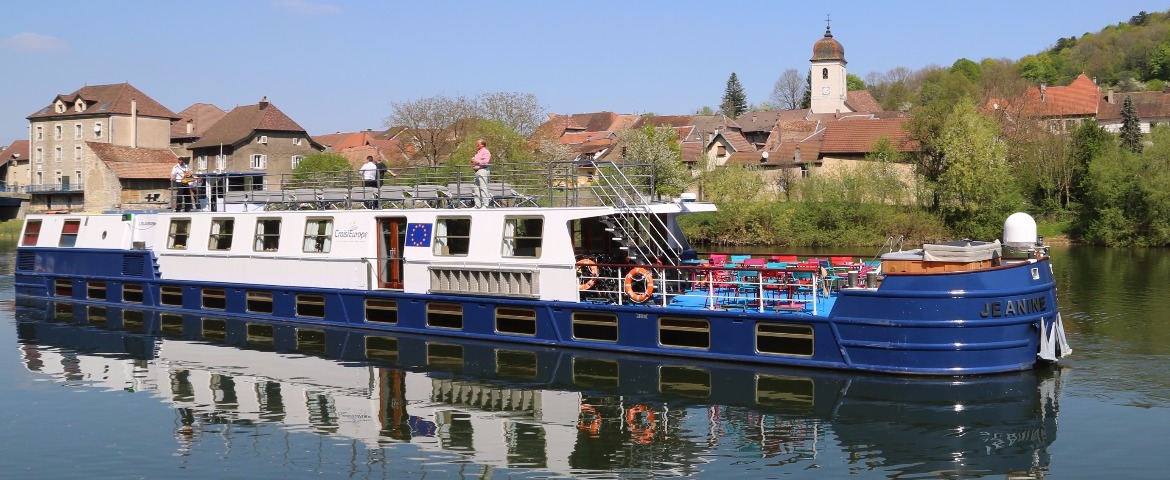

| 31 March | 6 days | One-way from Kehl-Strasbourg to Lagarde-Moselle |
450-628-6241
Call us
|
| 31 March | 6 nights | One-way from Kehl-Strasbourg to Lagarde-Moselle |
450-628-6241
Call us
|
| 26 May | 6 nights | One-way from Kehl-Strasbourg to Lagarde-Moselle |
450-628-6241
Call us
|
| 26 May | 6 days | One-way from Kehl-Strasbourg to Lagarde-Moselle |
450-628-6241
Call us
|
| 29 September | 6 days | One-way from Kehl-Strasbourg to Lagarde-Moselle |
450-628-6241
Call us
|
| 29 September | 6 nights | One-way from Kehl-Strasbourg to Lagarde-Moselle |
450-628-6241
Call us
|
MS Madeleine
35 Cruises
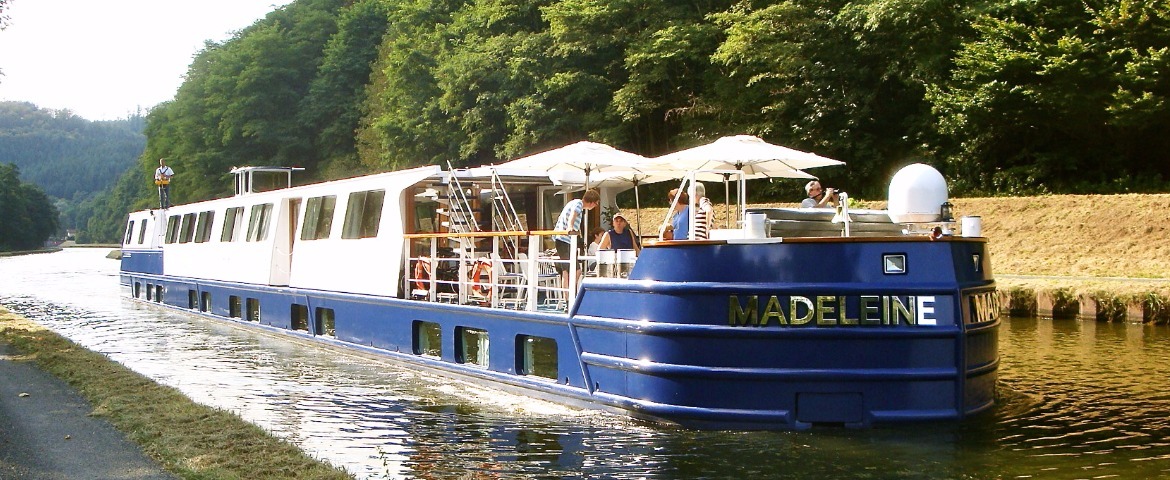
| 25 March | 6 nights | One-way from Kehl-Strasbourg to Lagarde-Moselle |
450-628-6241
Call us
|
| 25 March | 6 days | One-way from Kehl-Strasbourg to Lagarde-Moselle |
450-628-6241
Call us
|
| 20 May | 6 nights | One-way from Kehl-Strasbourg to Lagarde-Moselle |
450-628-6241
Call us
|
| 20 May | 6 days | One-way from Kehl-Strasbourg to Lagarde-Moselle |
450-628-6241
Call us
|

Port of Saverne, France | Cruise Port Guide
Frequently Asked Questions
At the marina bordering the town centre on the Marne-Rhine canal, practically at the foot of the Rohan chateau. Few river calls offer such a theatrical arrival: a 140-metre pink sandstone facade right at the water's edge.
Yes, and without ever going more than ten minutes from the boat. This is river cruising at its best: mooring the traveller in the centre of a town, with no transfer and no waiting.
The Rohan chateau and its gardens, the Grand'Rue with its half-timbered houses, then the rose garden about ten minutes' walk away. There is ample time left for a tarte flambée in a winstub before heading back aboard.
The former residence of the prince-bishops of Strasbourg, rebuilt in the late 18th century for Cardinal de Rohan. Its classical facade, ranked with columns, faces the canal directly, fronted by formal French gardens. Inside are the town museums: archaeology, local history, fine arts.
Because it was for centuries the residence of the prince-bishops of Strasbourg. That lavish history explains the scale of the princely residence relative to the town. Saverne is nicknamed the gateway to Alsace, tucked at the mouth of the pass over the Vosges.
One of the oldest rose gardens in France, second in the country by age, on the bank of the Zorn a few minutes from the centre. Some 800 varieties bloom there from June to September. It is the fragrant surprise of the call, too often missed by hurried visitors.
A boat lift that entered service in 1969, replacing 17 locks by hauling barges up the hillside. It is a feat unique in Europe, and the most requested excursion from Saverne.
Yes, for walkers in good shape: it is a sandstone sentinel watching the pass and the Alsace plain from its rocks. The climb is real, not a gentle stroll. Those who prefer level ground should stay by the canal.
Alsatian cooking in the winstubs of the Grand'Rue: tarte flambée, choucroute, kougelhopf. On market days the stalls set up steps from the water and give the call the feel of an everyday festival.
The euro and French, with Alsatian still spoken among older residents. Cards work throughout this sub-prefecture town. Some cash remains useful at the market.


