Sens-Yonne France
16
Cruises availables
At departure or passage at this port
CroisiEurope (16 Cruises)
MS Déborah
16 Cruises
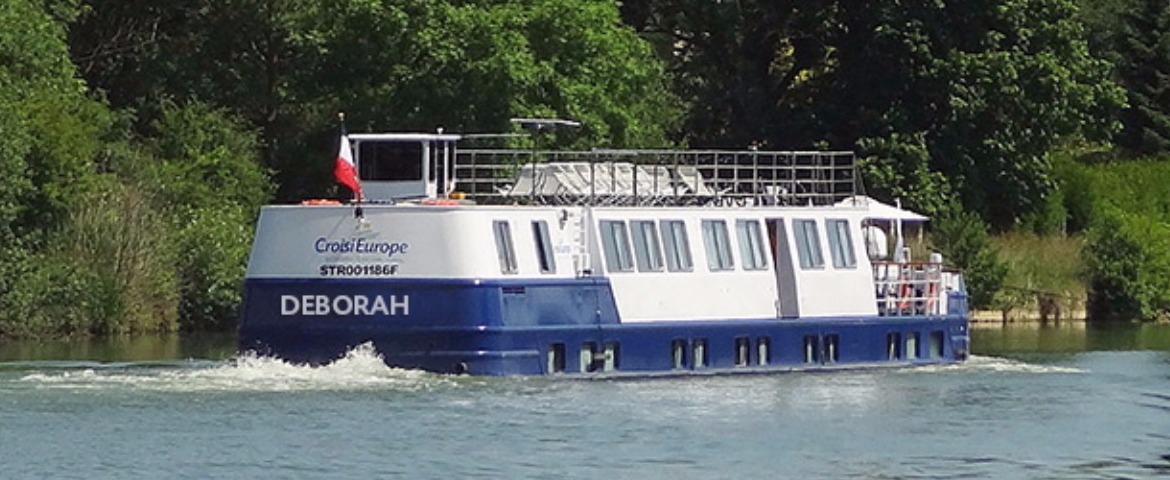

| 31 March | 6 days | One-way from Paris City to Sens-Yonne |
450-628-6241
Call us
|
| 31 March | 7 days | One-way from Paris City to Sens-Yonne |
450-628-6241
Call us
|
| 2 June | 7 days | One-way from Sens-Yonne to Paris City |
450-628-6241
Call us
|
| 2 June | 6 days | One-way from Sens-Yonne to Paris City |
450-628-6241
Call us
|
| 14 July | 6 days | One-way from Sens-Yonne to Paris City |
450-628-6241
Call us
|
| 14 July | 7 days | One-way from Sens-Yonne to Paris City |
450-628-6241
Call us
|
Port of Sens, France | Cruise Port Guide
Frequently Asked Questions
At the river mooring on the Yonne, whose pontoon almost borders the old centre: a few minutes' walk separates the gangway from the cathedral square.
Because it is the first Gothic cathedral in history, begun around 1135: before Paris, before Chartres, before Reims. Saint-Étienne is the laboratory where Gothic made its first attempts, with sexpartite vaults, alternating piers and light already triumphant.
An hour for Saint-Étienne and its treasury, another for the museums or the market, then a coffee on a square where local life carries on. Everything fits in a centre you can walk, with no excursion at all.
The archbishop of Canterbury found refuge at Sens during his exile, before his murder in England. His liturgical vestments are among the relics kept here, and one of the cathedral windows tells his story.
One of the richest in France: precious textiles, ivories and goldwork displayed in a hushed half-light. It is the most surprising visit of the call for anyone not expecting this in a town of this size.
A 13th-century building attached to the cathedral, with a facade pierced by rose windows and a great glazed-tile roof restored by Viollet-le-Duc. Together with the former archbishops' palace, it houses the Sens museums and gives access to the treasury.
Remarkable Gallo-Roman collections, rich in sculpture and mosaics unearthed in the region, plus rooms devoted to the city's history. The town's name comes from the Senones, the Gaulish people whose warriors once marched on Rome.
Facing the cathedral square, under a 19th-century iron frame and brickwork. On market days, stalls of Burgundy cheeses, poultry and vegetables bring the life that museum towns sometimes lack.
A regional cheese or a bottle of white Burgundy, to keep cool before sailing. The pedestrian streets around the market also hold shops and tea rooms among half-timbered houses, including the Maison d'Abraham carved on its corner.
The euro and French. Cards work everywhere. The walk back to the boat follows the landscaped quays and the orangery gardens, along a river that carried timber and wine to Paris for centuries.


