Waltenheim-sur-Zorn France
63
Cruises availables
At departure or passage at this port
CroisiEurope (63 Cruises)
MS Jeanine
28 Cruises
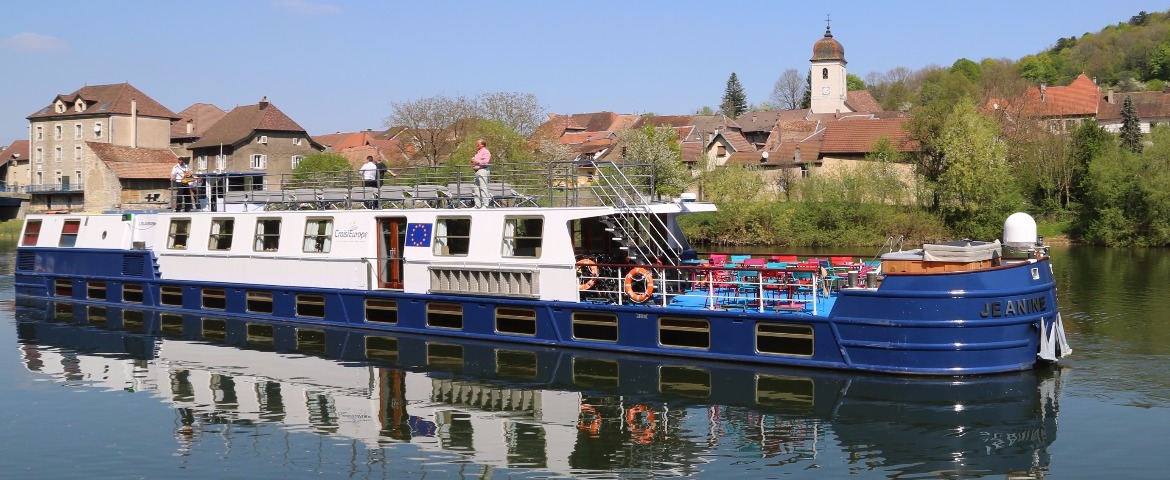

| 31 March | 6 days | One-way from Kehl-Strasbourg to Lagarde-Moselle |
450-628-6241
Call us
|
| 31 March | 6 nights | One-way from Kehl-Strasbourg to Lagarde-Moselle |
450-628-6241
Call us
|
| 26 May | 6 nights | One-way from Kehl-Strasbourg to Lagarde-Moselle |
450-628-6241
Call us
|
| 26 May | 6 days | One-way from Kehl-Strasbourg to Lagarde-Moselle |
450-628-6241
Call us
|
| 29 September | 6 days | One-way from Kehl-Strasbourg to Lagarde-Moselle |
450-628-6241
Call us
|
| 29 September | 6 nights | One-way from Kehl-Strasbourg to Lagarde-Moselle |
450-628-6241
Call us
|
MS Madeleine
35 Cruises
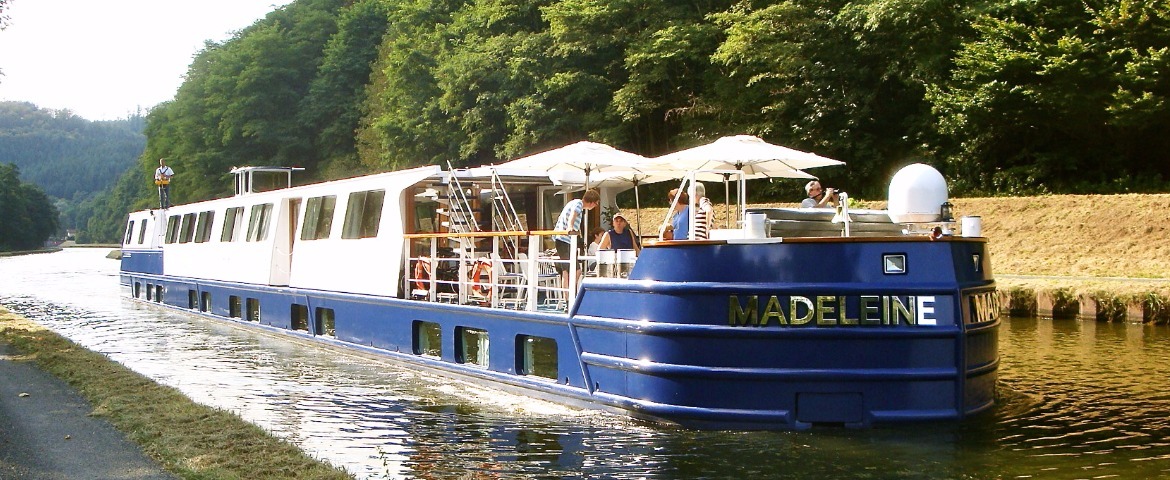
| 25 March | 6 nights | One-way from Kehl-Strasbourg to Lagarde-Moselle |
450-628-6241
Call us
|
| 25 March | 6 days | One-way from Kehl-Strasbourg to Lagarde-Moselle |
450-628-6241
Call us
|
| 20 May | 6 nights | One-way from Kehl-Strasbourg to Lagarde-Moselle |
450-628-6241
Call us
|
| 20 May | 6 days | One-way from Kehl-Strasbourg to Lagarde-Moselle |
450-628-6241
Call us
|

Waltenheim-sur-Zorn, France | River Cruise Port Guide
Frequently Asked Questions
At the river landing on the Marne-Rhine canal, a few minutes' walk from the heart of the village. This is rural Alsace, about twenty kilometres northwest of Strasbourg, in the Zorn valley.
No monument claims the spotlight, and it is better to say so plainly. The appeal of the stop lies in the atmosphere of a farming village true to itself: half-timbered houses, geraniums at the windows, the Saints-Pierre-et-Paul church, and an 80-square-metre mural inspired by the tale of Hansel and Gretel.
Walk or cycle along the canal, which is where the real value of this stop lies. A cycle path follows the old towpath for dozens of kilometres, as far as Saverne to the west, between flower-decked locks and herons that lift off as you approach.
River vessels often carry bicycles for passengers on this route, and it is the smartest use of the stop. Check with your line before departure: it is not universal and the number of bikes is limited.
The city is about twenty kilometres away, but that is not what this call is for, and no practical public transport links the landing to central Strasbourg. If Strasbourg matters to you, check whether your itinerary includes a call there rather than counting on this one.
Yes, in a quiet register. The fairy-tale mural amuses younger children, lock operations fascinate, and village children sometimes come to watch the mooring from the bank. There is, however, no significant playground or attraction: this is a countryside call.
Alsace without detours: choucroute garnie, or baeckeofe, a slow-cooked casserole of marinated meats. The nearby Hochfelden area keeps up a well-known brewing tradition, and Alsatian wines from Riesling to Gewürztraminer go with the meal. A kougelhopf and a coffee on a terrace often make the memory.
Spring for the orchards in bloom along the towpath, and autumn for the mist that lingers over the water into mid-morning and turns the landscape into a watercolour. Summer fills the façades with geraniums. In winter, navigation on this canal stops.
Yes. Waymarked paths climb to the higher ground and open up the valley: the Kochersberg hills to the south, the first Vosges ridges to the west. It is rolling farmland dotted with steeples and copses, with no particular difficulty.
Yes, keep some. The currency is the euro, but in a village this size shops are few and not all take cards. There is no ATM at the river landing.


