Tuamotus Islands French Polynesia
French Polynesia
4
Cruises availables
At departure or passage at this port
Lindblad Expeditions (4 Cruises)

Tuamotu Islands, French Polynesia | Cruise Port Guide
Frequently Asked Questions
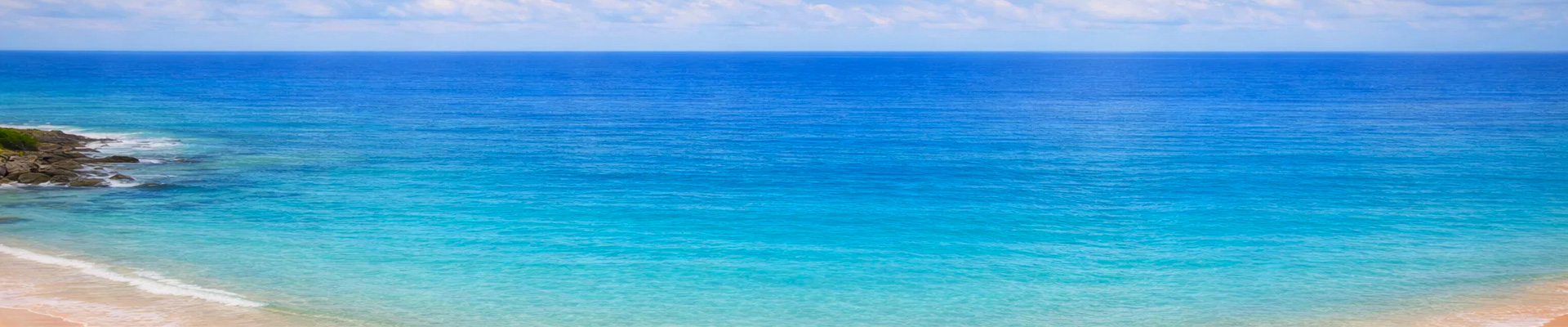
An archipelago of French Polynesia comprising about 80 atolls spread over an area of ocean the size of Western Europe. Here the land is reduced to a barely emerging coral ring closed around a lagoon of unreal colours, without a single mountain to orient the eye.
Mainly Rangiroa and Fakarava, the two flagship calls. Other atolls receive expedition ships or mixed cargo vessels, rarely large cruise ships. If a specific atoll matters to you, check the itinerary rather than counting on a generic Tuamotu call.
Because that gap in the coral ring is how the ocean breathes. Depending on the tide, the current pours in or out with force, and ships pick their moment. From the deck you watch the water shift from deep offshore blue to milky turquoise inside, while dolphins sometimes play in the turbulence.
Rangiroa is one of the largest atolls in the world: its lagoon is so wide the far shore drops below the horizon. Fakarava, second in size, belongs to a UNESCO-recognised biosphere reserve and is explored by bicycle along a single white road. Both offer water of rare clarity.
At Rangiroa, beside the Tiputa pass. A viewpoint lets you watch bottlenose dolphins leap in the current, almost daily, a few metres from shore. It is the most popular gathering point in the archipelago, and it costs nothing.
No. Divers travel from around the world to drift through the passes among grey reef sharks and rays, and the shark wall at Tumakohua on Fakarava is described with stars in the eyes. But a mask and snorkel over the coral gardens is enough to understand why people come.
The old village at the south end of the atoll, near the Tumakohua pass, where a coral church built in 1874 still stands. The site is reached by boat from Rotoava: it is a full-day excursion, not a stroll.
It follows the sun and the supply ships. You pass children on bicycles, fishermen cleaning their catch under the palms, country bread ovens. Life is organised around copra, pearls and fishing. Shade is precious, the wind constant, the water everywhere.
The other face of the Tuamotus: a rock shelf pounded by swell, where you pick up shells while watching the waves break. The walk to the outer reef takes only minutes from the road and is worth it, but mind the waves and the razor-sharp coral.
Pacific francs in cash: banking services on the atolls are very limited. Add a hat, water and sun protection, because shade is scarce, plus sturdy sandals: the coral cuts like glass.


