Ua Huka Island Marquesas French Polynesia
French Polynesia
8
Cruises availables
At departure or passage at this port
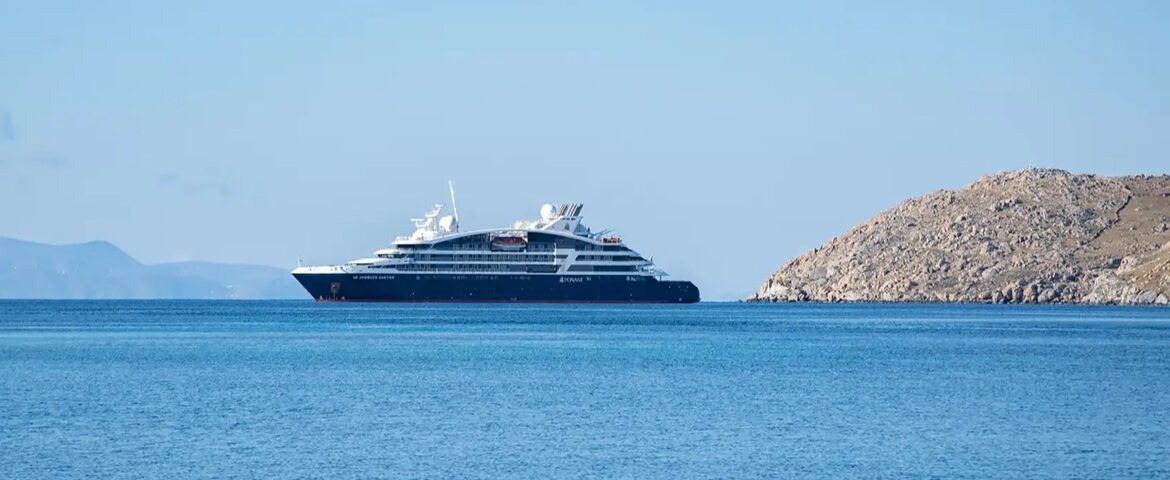

Ua Huka, Marquesas Islands | Cruise Port Guide
Frequently Asked Questions
Because its entrance, about 200 metres wide and dog-legged, hides from view until the last moment. From the deck you cannot see where the ship is going to enter. It is the main anchorage of Ua Huka, the most secret of the Marquesas.
By whaleboat to the small landing at the head of the inlet. Manoeuvring a ship in that narrow-walled corridor is a balancing act: the barges become miniature tugs to swing it around on the spot, while a sailor leaps onto the rocks to carry the lines ashore.
Not like the lush Polynesia you expect. Ua Huka unrolls arid plateaus, cropped by goats and roamed by semi-wild horses descended from animals introduced in the 19th century. You meet those free silhouettes around the bends, manes in the wind above the ocean.
By four-wheel-drive pickup, on a cliff road linking the island's three villages: Vaipaee, Hane and Hokatu. There is no public transport and no car rental: transfers are arranged by the ship or by residents.
The Catholic church, which replaces the organ with a traditional drum, a detail that says much about Marquesan culture. The small community museum displays clubs, adzes, tikis and canoe models patiently assembled by residents. On the heights, the Papuakeikaa arboretum holds hundreds of citrus and tropical species.
An ancient Marquesan ceremonial place above the village of Hane, where red stone tikis still stand. The village also has a small maritime museum devoted to canoes and old fishing techniques, and its bay is marked by a sugarloaf rock rising from the ocean.
For the carvers. The village built its reputation in workshops open to the street, where artisans work rosewood, miro and bone with a precision inherited from earlier masters. Pieces are bought straight from the hands that shaped them.
Yes, it is one of the island's assets. Off the north coast, whitened islets shelter seabird colonies including thousands of terns. The island is also home to an endemic parrot, the ultramarine lorikeet, a flash of vivid blue that the lucky glimpse in the valleys. Bring binoculars.
Only a few hundred, spread across the three villages. Every ship call takes on the air of a celebration. This is a call where you are a visitor in a community, not a customer in a destination.
Those willing to accept an expedition call: whaleboat landings subject to swell, dusty tracks, no tourist commerce. In return it is the hardest-earned of all the Marquesas, and the one travellers speak of most fondly. Bring cash, a hat and closed shoes.


