Eckernforde Germany

Four kilometres of fine sand beginning almost at the foot of the historic centre: that's what sets Eckernförde apart from other stops on the German Baltic. In this sheltered bay in Schleswig-Holstein, about thirty kilometres northwest of Kiel, the sea, the old town, and the fishing harbour all share the same horizon. Passengers step ashore with the feeling of arriving in a northern seaside resort, and soon discover it also holds a long maritime history.

The Old Harbour and Its Boats

Your first steps naturally lead to the inner harbour, where fishing boats still bob in front of the waterfront houses. A red-and-white lighthouse marks the entrance to the piers and offers a fine view over the bay. On the first Sunday of every month, a fish market brings the docks to life. The smell of smoked fish drifts through the nearby lanes: the local specialty is best enjoyed on the go, watching the sailboats come and go.

Old Lanes and Half-Timbered Houses

Behind the docks, the old town unfolds its narrow streets lined with colourful houses and half-timbered façades. Independent shops have held their ground against the big chains, cafés set up their terraces at the first hint of sunshine, and the stroll unfolds with no set route, guided only by shop windows and small squares. The whole area can be covered in an hour, but it's easy to come back to it throughout the day, the atmosphere is that pleasant.

Curious visitors can step into the Ostsee Info-Center near the docks, which showcases Baltic marine life through aquariums and interactive exhibits. It's an informative stop, popular with families, that offers a different perspective on this inland sea with its brackish waters, more fragile than it might appear.

The Beach, Quite Simply

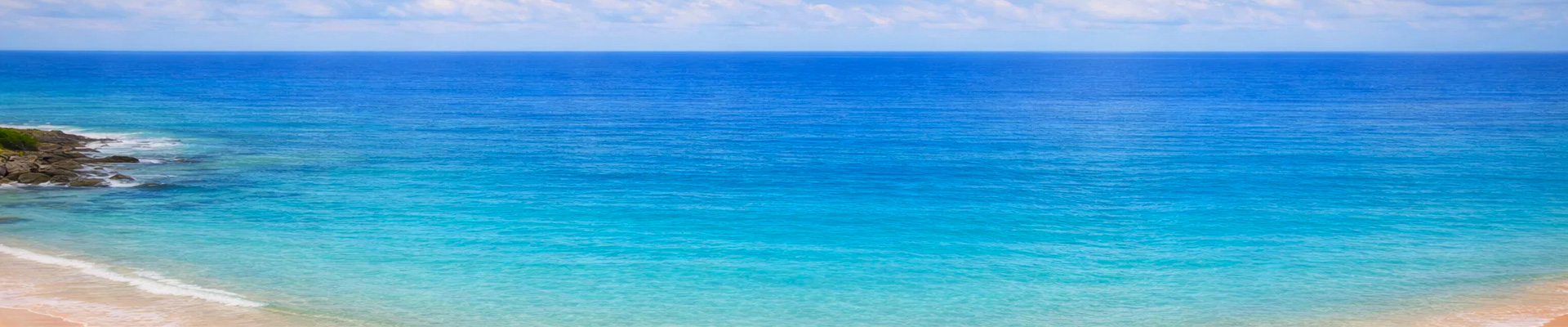
Then comes the moment every visitor eventually gives in to: the beach. The long ribbon of sand stretches four kilometres along the bay, just a few minutes' walk from the old town. The waves stay gentle here, the water deepens gradually, and families settle in among the Strandkörbe typical of the German coast, those hooded wicker chairs that shelter you from the wind. Green spaces line the shore, perfect for a picnic, while the bolder among us brave an invigorating dip, even at the height of summer. Walking barefoot at the water's edge, ice cream cone in hand, is likely the truest way to experience Eckernförde.

Stop at a Glance

LocationHighlightAccess from the Dock
Inner harbourFishing boats, lighthouse, smoked fishOn foot
Old townHalf-timbered houses, shops, cafésOn foot
Ostsee Info-CenterBaltic Sea aquariumsOn foot
Main beachFour kilometres of coastlineOn foot, a few minutes

A Bay That Takes Its Time

Eckernförde asks for neither a packed itinerary nor long distances: everything fits into a small pocket of space, between the salt water and the half-timbering. It's a stop lived to the rhythm of the gulls and the gentle lapping of the Baltic, where the greatest luxury is simply slowing down. Those who like to check off monuments may come away wanting more; those who know how to savour a port town in its everyday rhythm will leave won over, salt on their skin and their mind at ease.

Heading back up the gangway, you take one last look at the bay, where sailing dinghies trace white triangles across the water. The northern light softens the colours, the sand still holds the footprints of walkers, and it becomes clear why so many Germans choose this stretch of coast for their summers. Eckernförde leaves behind this simple, clear memory: that of a day where the sea took centre stage.

Frequently Asked Questions

In the sheltered Schleswig-Holstein bay, some thirty kilometres northwest of Kiel. The sea, the old town and the fishing basin share the same horizon, and everything connects on foot.
Yes, and it is what sets Eckernförde apart from other German Baltic calls: four kilometres of fine sand starting almost at the foot of the historic centre, a few minutes' walk from the old town.
In summer, yes, but the water stays bracing even at the height of the season: plainly put, the Baltic never warms up much. The waves stay modest, the water shelves gently, and families settle in among the hooded wicker beach chairs typical of the German coast.
Fishing boats still bob in front of the facades of the inner basin. A red and white lighthouse marks the entrance to the jetties and gives a fine view over the bay. On the first Sunday of each month, a fish market brings the quays to life.
Smoked fish, the local speciality whose smell drifts through the lanes near the basin. It is eaten on the go, watching the sailing boats come and go. An ice cream on the beach rounds out the picture.
Narrow streets lined with colourful houses and half-timbered facades, just behind the quays. Independent shops have held out against the chains, and the cafés set out terraces at the first hint of sun. The whole thing takes an hour to cover.
A centre near the quays presenting Baltic marine life with aquariums and interactive displays. It is an informative stop, popular with families, that gives a different perspective on this brackish inland sea, more fragile than it appears.
Very much so. Everything sits within a few blocks, the beach shelves gently, the Ostsee Info-Center appeals to younger visitors, and green spaces edge the shore for a picnic. No long distances to cover.
No. The inner basin, the old town, the information centre and the main beach are all a few minutes' walk from the quay. Eckernförde asks for neither a packed schedule nor long distances.
The euro and German. This is a resort visited mainly by German holidaymakers: English is understood in hotels and the main shops, less so at the fish stalls and the market. Bring cash.