Schweich Germany Rhineland-Palatinate
24
Cruises availables
At departure or passage at this port
Emerald Waterways (24 Cruises)
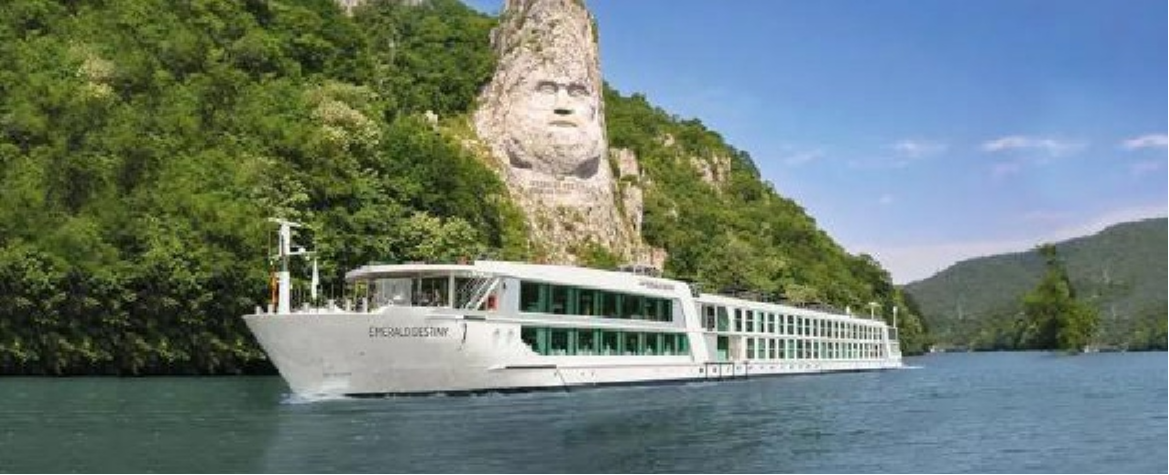
Emerald Destiny
16 Cruises

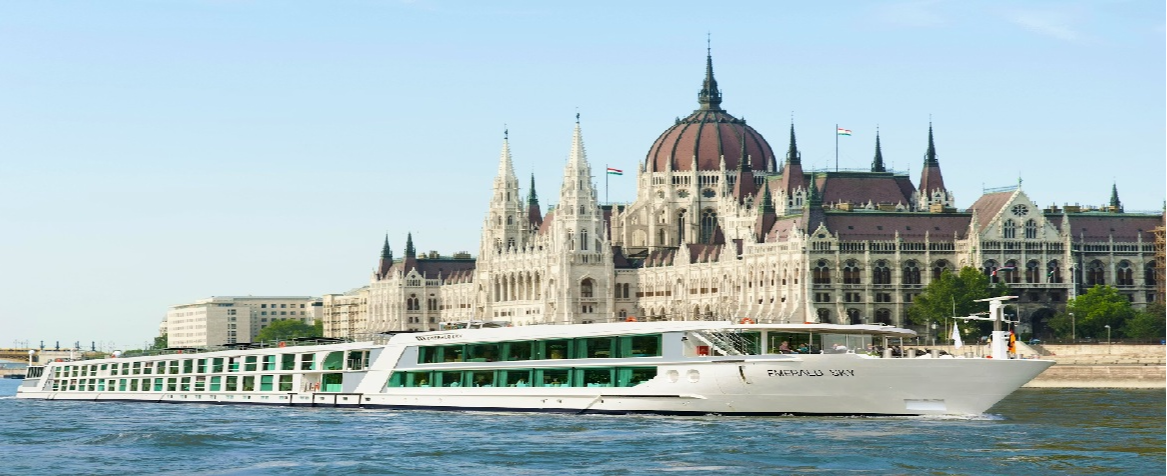
Emerald Sky
8 Cruises

Port of Schweich, Germany | Cruise Port Guide
Frequently Asked Questions
On one of the gentlest bends of the Moselle, a few minutes' walk from the heart of the village. The streets are quiet, lined with winegrowers' houses, some of which open their courtyards to passers-by in season.
Two options, depending on what you want. Stay in the village: riverside walk, lanes, a vineyard trail, a tasting at an estate. Or head for Trier, a dozen kilometres away, and give the day to the Roman monuments.
Most cruises offer an organized excursion. The local station also sits on the regional line that reaches Trier in a few minutes, which leaves a way out for those who prefer to go on their own.
A group of ancient monuments listed as UNESCO World Heritage: the Porta Nigra, an imposing fortified gate in blackened sandstone, the Basilica of Constantine, the remains of the imperial baths and an amphitheatre cut into the hillside.
Yes, and the loop takes an hour or two depending on how you feel. It stays within reach of any walker even moderately at ease on a sloping path. From up there the view takes in the valley, the river and neighbouring villages clinging to the slopes.
German Moselle riesling, known for its finesse, grown on slate slopes that give back the day's heat. Several establishments in the village and nearby offer tastings, sometimes with a cellar visit.
Unpretentious regional cooking: game from the neighbouring Eifel, river trout, potatoes in every form. Portions are generous and the welcome is direct and warm.
Yes, provided you stay down by the water. The landscaped riverside promenade is flat and pleasant, perfect for watching barges and pleasure boats go by. It is the hillside trails that ask for legs.
They have shaped the landscape and the local economy since Roman times. Several family estates still work the slopes around the village, and that is what gives the place its particular rhythm.
The euro, with cash for the small estates and inns. German dominates; English gets by with growers used to river ships, but a word of German opens many doors in a village this size.


