Andros Island Greece
8
Cruises availables
At departure or passage at this port
SeaDream Yacht Club (1 Cruises)


Star Clippers (7 Cruises)
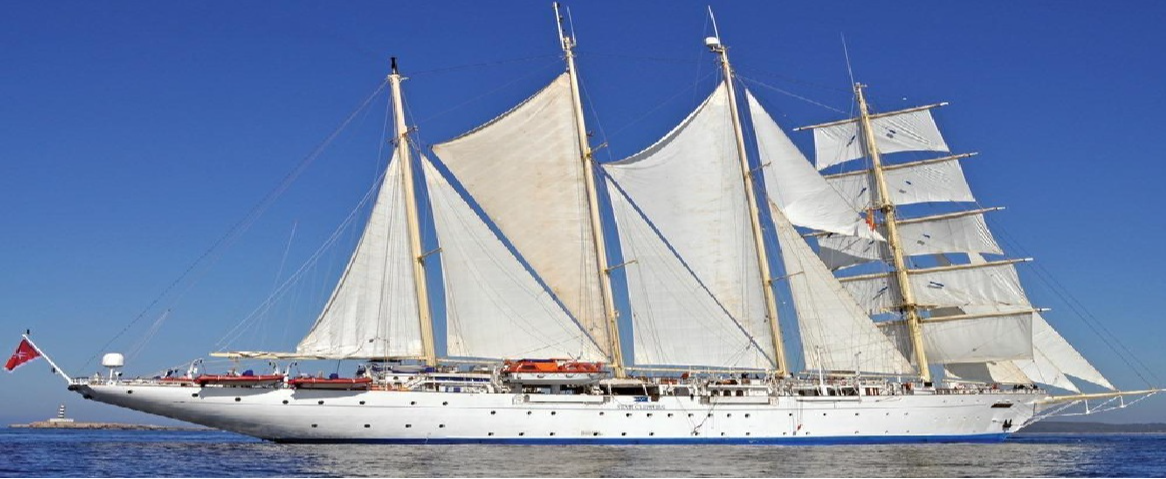

Star Flyer
6 Cruises


Port of Andros, Greece | Cruise Port Guide
Frequently Asked Questions
At Gavrio, the island's only real port, in a sheltered bay on the west coast facing the ferry traffic from Rafina. The port village begins at the foot of the gangway.
Chora lies 32 kilometres from Gavrio, about forty-five minutes on a corniche road by taxi or organised excursion. Allow half a day for the round trip and the visit.
No white cubes here, but neoclassical mansions built by shipowning families, museums, marble-paved streets and, at the tip of the headland, the statue of the Unknown Sailor facing the open sea.
Yes. About 3 km from Gavrio lie Chrysi Ammos, well equipped and easy to reach, and Agios Petros, the island's longest. The water shelves gently, a simple choice for families.
Two options that exclude each other: Chora by taxi for the architecture and museums, or the coastal plan with Batsi, a beach and a short trail loop. Trying to do both on a short call does not work.
Because springs run down its valleys. That abundant water explains the citrus orchards, the vegetables, the goats and sheep, and the sound of running water you hear almost everywhere on the trails.
Excellent. The island maintains more than 300 kilometres of waymarked trails with numbered signs: even an improvised walk carries little risk of getting lost. Ask local tourist offices for the shortest loop if time is tight.
The Makrotantalo tower, a Venetian-era defensive structure on the heights above the port, and Kastri hill at the mouth of the bay, where ancient walls survive. Two short stops.
Froutalia, a generous omelette with potatoes and local sausage, the island's signature dish. Almond sweets and thyme honey are sold by the pastry shops in Batsi and the grocers along the quay.
The euro and Greek, with English in Gavrio and Batsi. Taxis and small grocers prefer cash; agree the fare to Chora before setting off.


