Karpathos Island Greece
6
Cruises availables
At departure or passage at this port
Star Clippers (6 Cruises)
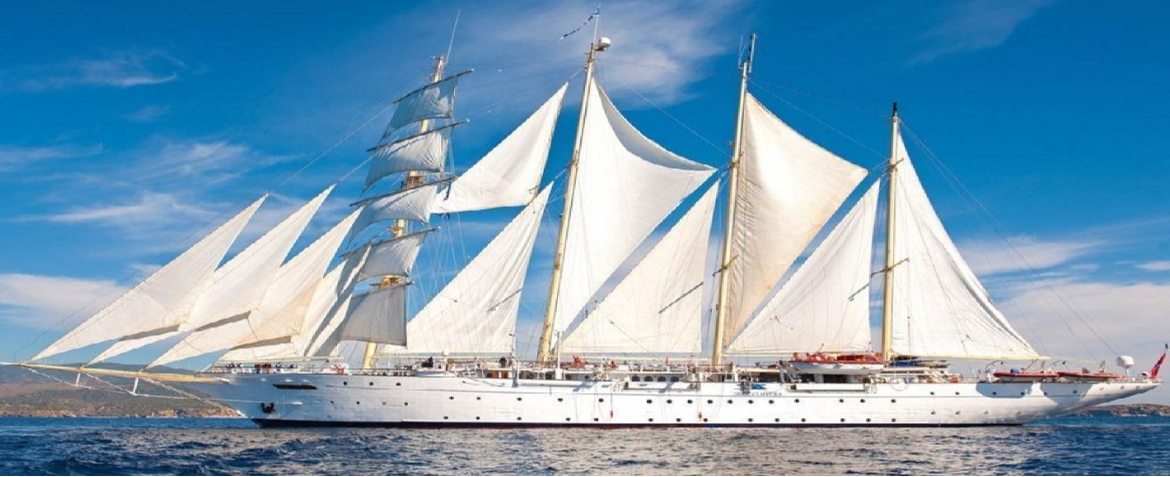
Star Flyer
6 Cruises
Karpathos Greece | Dodecanese Island Cruise & Travel Guide
Frequently Asked Questions
By tender. Ships anchor off Pigadia, the capital, and passengers land two minutes from the centre. The town rises gently above its sheltered bay.
Three options that exclude each other: the main town on foot with a swim at Vrontis, the coves of Amoopi by taxi, or the climb to Olympos, which takes almost the whole day.
A village clinging to a ridge above the sea, 42 km to the north, its painted houses clustered around windmills. Some 500 inhabitants keep up traditions from the distant past: embroidered dress worn daily, bread baked in the communal oven, weaving.
A good hour on a winding road each way. You can go by taxi, by organised excursion when the ship offers one, or by sea: caiques link the main town to the landing at Diafani, from which a coach climbs to the village. Check the ship's return time before setting out.
No, nothing there is staged: it is a living community, one of the most singular in Greece. Its isolation explains that continuity, since for generations no road linked the hamlet to the rest of the island.
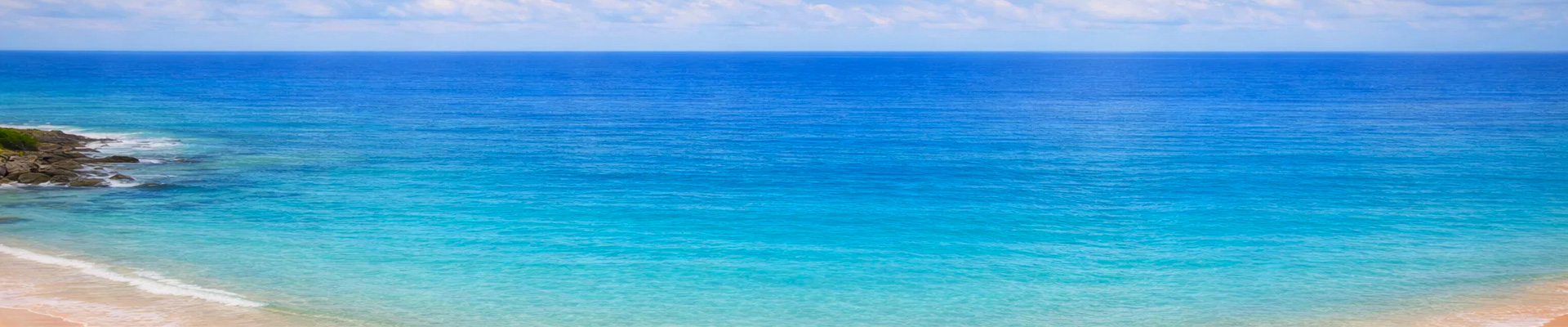
The long beach of Vrontis opens a few minutes' walk from the centre of Pigadia: shingle and sand, calm water, pines for shade. Further south, a quarter of an hour by car, Amoopi lines up golden sand coves over turquoise shallows, ideal for families.
Because of the meltemi, the wind that blows in summer between Crete and Rhodes. Windsurfers rate the island one of the finest playgrounds in the Mediterranean; from the beach you watch them race offshore as free entertainment.
Makarounes, homemade pasta with melted cheese and fried onions, a speciality you will barely find anywhere else. The quayside tavernas serve it with the day's fish.
Very much so for the beach plan: Amoopi has shallow water and Vrontis is within walking distance. The Olympos excursion, on the other hand, is long and winding for young children.
The euro and Greek. The island long stayed off the main tourist routes: bring cash, especially for Olympos. English is spoken in Pigadia.


