Kythira Island Diakofti, Greece
Kythira Diakofti Greece | Hidden Greek Island Cruise Guide
Frequently Asked Questions
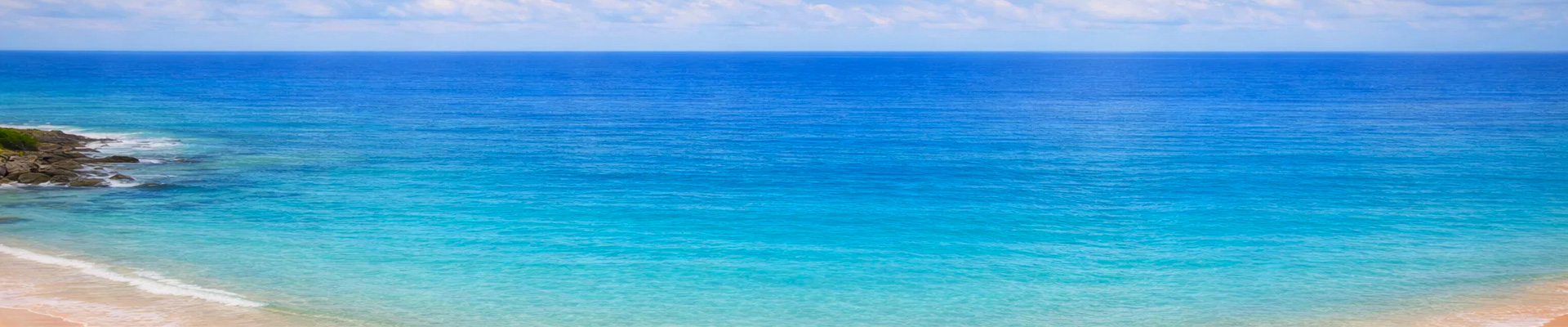
At Diakofti on the east coast, the island's only modern berth, set against an islet linked by a causeway. The hamlet amounts to a few houses, a pale sand beach and translucent water.
You can, but you would miss the point. The interest lies in heading inland, by taxi or hire car, on roads that climb between hills covered in thyme and olive trees.
The capital Chora with its Venetian fortress, then Kapsali bay below for a swim and a meal. Allow half a day for both, in the south of the island.
A Venetian work at the end of the main street, standing dizzyingly high above the sea. From the walls the eye takes in the double bay below and, on a clear day, seems to reach as far as Crete. Within the walls are historical archives and chapels.
Twin coves at the foot of the cliffs, 2.5 kilometres from Chora by road, with tavernas and cafes along the beach. The water is calm and shallow, with the castle overhead: the ideal place to end the visit.
Because ancient tradition holds that Aphrodite was born here from the sea foam. The name has travelled the centuries as a synonym for the voyage of love, and Watteau once painted an embarkation for Cythera.
A village of springs and plane trees from which a path descends the valley of water mills to the Neraida waterfall. You find a cool, green Greece here, against the usual image of the archipelago. Best kept for long calls.
It is wiser. Local drivers know the ships' schedules and readily propose loops matched to the time available: just state your latest return time to the ship.
Yes for swimming: Kapsali has sheltered, shallow water, and Diakofti has a pale sand beach right at the landing. The winding inland roads, on the other hand, call for some patience.
The euro and Greek. The island sits off the main sea routes and few cruise passengers have reached it: bring cash. English is spoken in the tavernas at Kapsali.


