Serifos Island Livadi, Greece
11
Cruises availables
At departure or passage at this port
Lindblad Expeditions (7 Cruises)
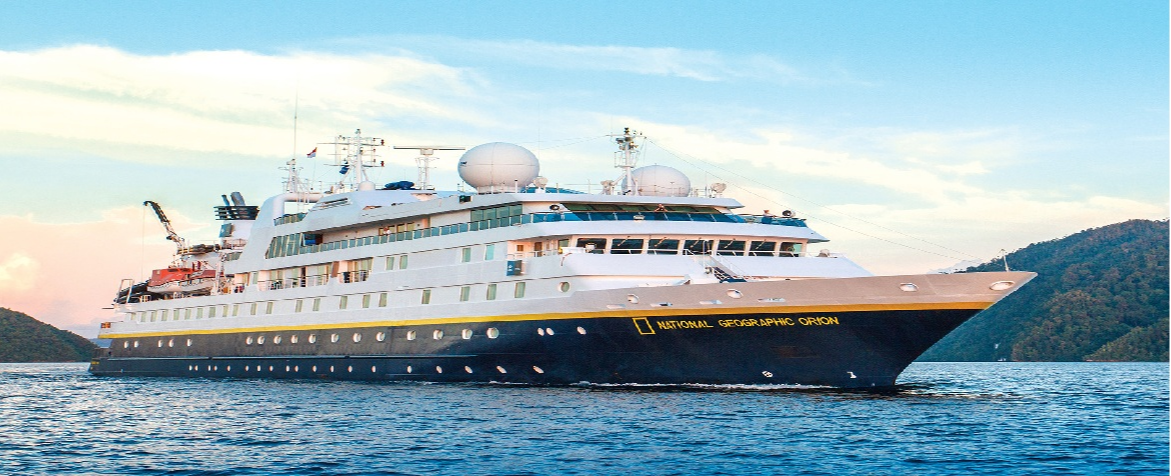
National Geographic Orion
7 Cruises

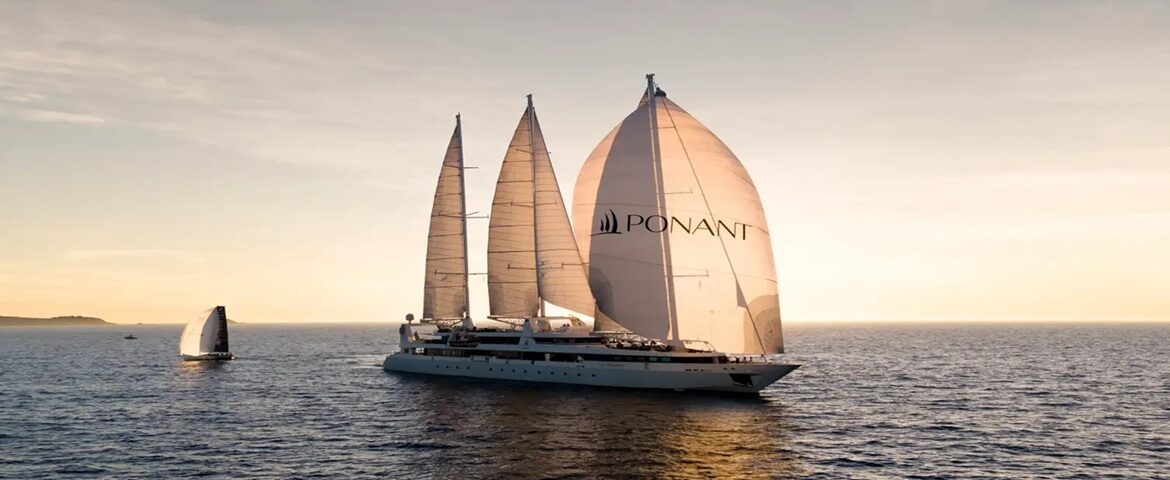
Ponant (4 Cruises)

Port of Livadi, Serifos | Cruise Port Guide
Frequently Asked Questions
At the port of Livadi, a one-street village facing the sailing boats, where the tenders land passengers. There is no terminal and no line of coaches: taverns, cafés and shops line the water's edge around the landing.
A local bus and taxis make the climb in about ten minutes. Walkers can take the old paved path instead, about fifty minutes of effort rewarded at every switchback.
A white village 200 metres above the bay, split between Kato Chora and Ano Chora: a tangle of white cubes, staircases and vaulted passages, with windmills at the entrance and the ruins of a Venetian kastro at the summit.
Yes, Avlomonas begins 500 metres from the landing: the island's longest beach, an arc of sand fringed with tamarisks where you can settle in the shade between swims.
The Chora in the morning, bus up and path down for strong legs, then Avlomonas beach and a meal by the water at Livadi. The mining district on the west coast needs a taxi and more time.
Around Megalo Livadi and Koutalas, about 11 km away, rusted wagons, loading bridges and abandoned buildings form an open-air mining museum. A monument honours the miners killed in the 1916 strike, a landmark episode in Greek labour history.
Seventy-two recorded: coves of blond sand, transparent water, isolated taverns. Sykamia and Agios Sostis must be earned along small roads, but they amply repay the detour.
In memory of its mines, whose iron was exported across Europe. The island cultivates an arid, mineral beauty softened by dozens of sandy coves, and the contrast between industrial remains and clear inlets is unlike anything else in the Cyclades.
This is where the chest carrying Danae and her son Perseus, future slayer of Medusa, washed ashore. The setting has always had a sense of storytelling.
The euro and Greek, with English understood in Livadi and the Chora. Bring cash: the island sits off the main circuits and not every place takes cards.


