Skyros Island Greece
5
Cruises availables
At departure or passage at this port
Star Clippers (5 Cruises)
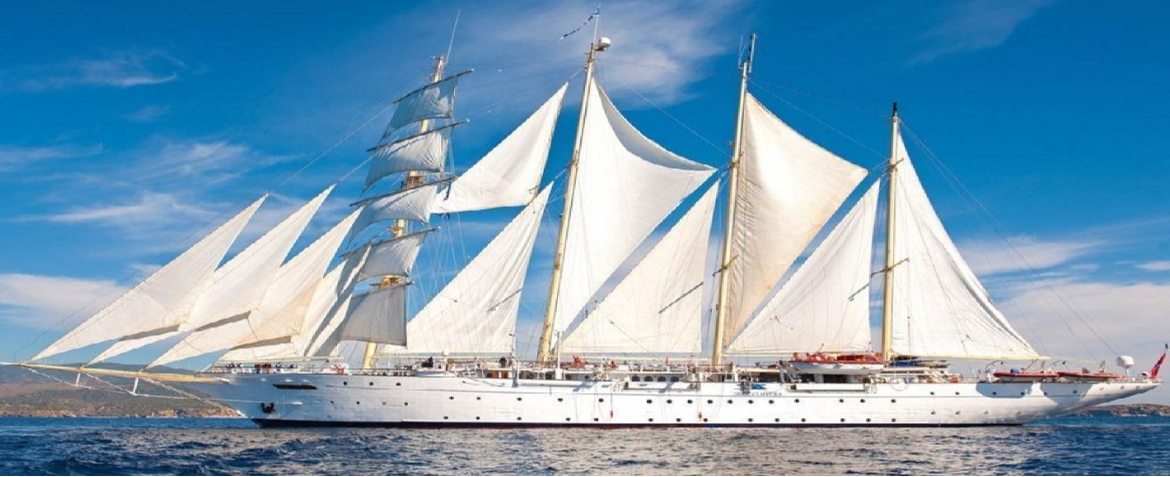
Star Flyer
5 Cruises

| 8 May | 15 days | Round-trip from Piraeus-Athens, Greece |
450-628-6241
Call us
|
| 15 May | 8 days | Round-trip from Piraeus-Athens, Greece |
450-628-6241
Call us
|
Frequently Asked Questions
At Linaria, the island's small port: a few low houses around a quiet inlet, some trawlers, a chapel on its rock and taverns serving the catch of the day.
About ten kilometres from the landing, roughly twenty minutes by road. Taxis and excursions handle the link; there is no other reasonable way to get there.
The Chora and the climb to the Byzantine citadel, about fifteen minutes of steps, then the Faltaits Museum or the beach at Magazia and Molos below. Organised excursions usually add the horse farms.
Ponies barely 1.10 metres at the withers, from one of the rarest and oldest breeds in existence. They still live semi-wild in the south of the island, and breeding farms open to visitors work to preserve them.
Yes, particularly. Visits are made in small groups, often guided by the breeders themselves, and children generally carry away the best memory of the trip, especially when the foals are around.
A Byzantine fortress crowning the rock above the Chora, with a ninth-century church and the remains of a fortified monastery. The climb takes about fifteen minutes on uneven steps, and the view reaches the northern Sporades.
A family mansion in the Chora turned into a museum, gathering embroidery, ceramics, miniature furniture and costumes that tell the story of Skyrian culture. Allow an hour.
Yes, the long sandy beach bordering the hamlets of Magazia and Molos, below the Chora. You can walk down quickly from the last houses, and the seaside taverns serve fish and garden vegetables under reed shades.
Ceramics, embroidery or carved wood: the village workshops sell pieces made on site rather than imported souvenirs.
The euro and Greek. English gets by, but the island mainly receives Greek visitors: bring cash, especially for taxis between Linaria and the Chora.


