Spetses Island Greece
8
Cruises availables
At departure or passage at this port
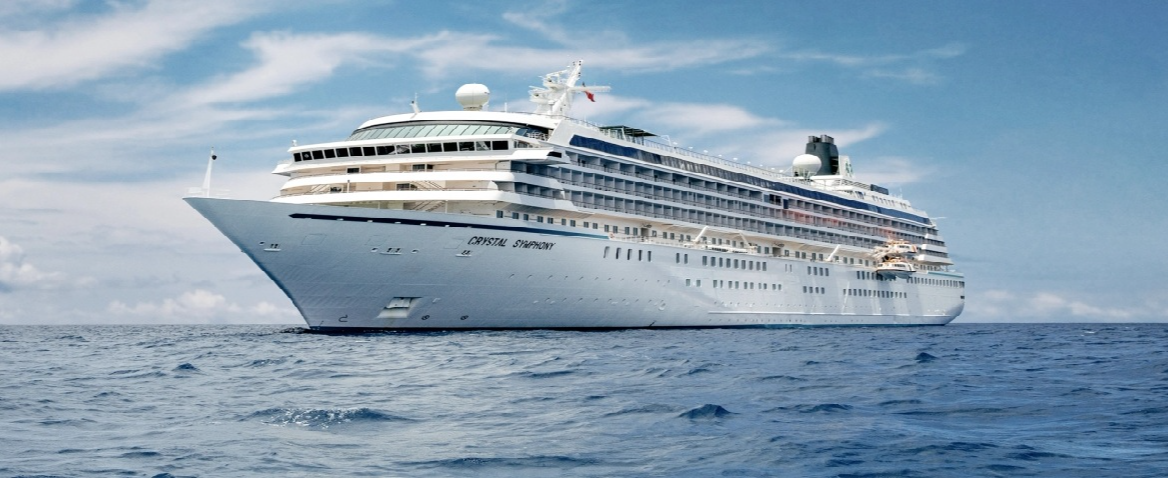
Crystal Cruises (2 Cruises)

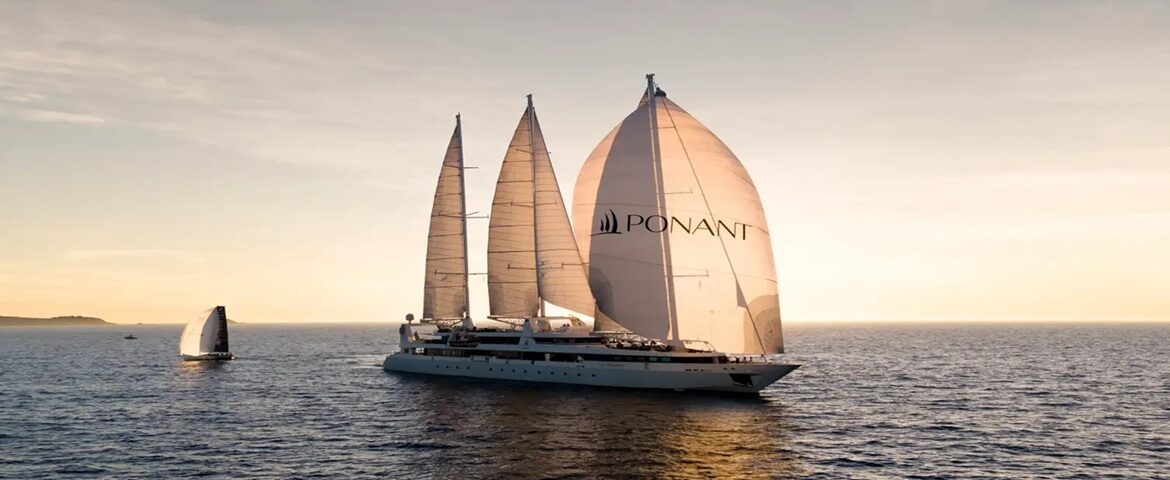
Ponant (6 Cruises)


Port of Spetses, Greece | Cruise Port Guide
Frequently Asked Questions
At Dapia, the central landing, a former defensive post whose cannon still point seaward between the café terraces. The whole centre is then walkable, with no plan and no constraints.
Car traffic remains restricted in the centre, and horse-drawn carriages carry visitors with some style between the quay, the shipowners' mansions and the old harbour. The clatter of hooves on cobbles is the background sound of the island.
Dapia and its pebble-mosaic lanes, the Bouboulina museum a few minutes' walk away, then the half-hour seaside walk to the old harbour of Baltiza and its wooden boatyards.
Laskarina Bouboulina, a shipowner and naval commander who financed and led her own vessels into battle during the 1821 uprising. Her family home is now a museum, with guided tours offered in several languages.
The old harbour, where the island built its fleets in the eighteenth and nineteenth centuries. The yards still shape wooden caiques by traditional methods, among upturned hulls and the smell of caulking.
On foot in the centre, by carriage if you would rather not walk to the old harbour, or by bicycle: bikes rent a few steps from the quay and let you follow the coast road at your own pace. Water taxis also serve the nearby coves.
No, none. You can only arrive by sea, and that constraint has preserved the island's scale and its atmosphere, a blend of nineteenth-century elegance and island simplicity.
Amygdalota, an almond sweet scented with orange blossom sold in the pastry shops of the centre, and fish spetsiota, baked under a tomato sauce, served in the taverns.
The annual September festival, when the island re-enacts its 1822 naval victory. It culminates with the burning of a model ship in the roadstead and draws visitors from across Greece.
The euro and Greek, with English well established on an island frequented for generations by fashionable Athens. Cards work in most places in the centre.


