Senggigi Mataram, Lombok Indonesia
Senggigi Lombok, Indonesia | Cruise Port Guide
Frequently Asked Questions
No. Calls advertised as Senggigi actually begin at Lembar, on Lombok's southwest coast, where ships anchor in a hill-ringed bay while tenders run ashore. The beaches of Senggigi are about an hour away by road.
Not many: a few quays, craft stalls set up for the occasion, and no bank counter. Come ashore with some currency changed aboard and a clear agreement on fares before getting into any vehicle.
Allow 30 to 45 minutes for Mataram, the provincial capital, and about an hour for the Senggigi beaches on the northwest coast. The road winds between rice fields, bamboo groves and villages, which turns every transfer into an unplanned tour.
Two witnesses to the island's princely past. The Mayura water palace lines up its pavilions in the middle of a broad pool, once a place of council and ceremony. A little outside town, the Narmada gardens terrace pools and levels said to evoke the region's sacred mountains.
A Hindu temple set on a black rock headland pierced by a natural opening, which gave it its name. Worshippers leave offerings facing the strait, with Bali as a backdrop. Ceremonies are held at full and new moons.
No. Even without a ritual the place earns the detour: waves against the cliff, incense on the wind, fishermen in their outriggers. Late in the day, the sunsets here are among the most admired on Lombok.
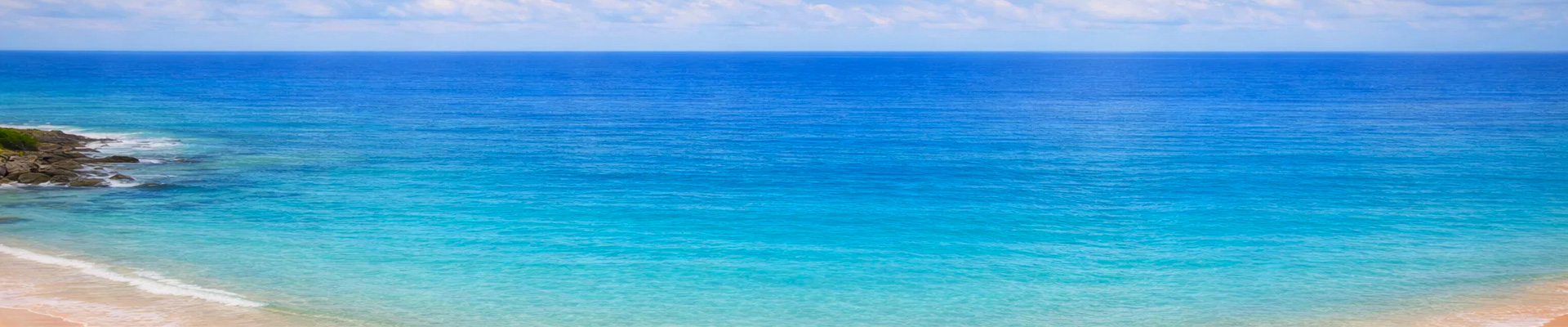
A run of pale-sand coves backed by hills, with water that stays warm. You swim, haggle over a sarong at the craft market, then sit down to grilled fish with a view of the open sea. The afternoon goes quickly, carried along by the waves.
Mataram and its water gardens, or the Senggigi coast and Batu Bolong temple. Tendering adds time to every transfer: keep a comfortable margin before the last boat back, and give up on combining the two.
Bring clothing covering shoulders and knees for religious sites; a sarong can be rented or bought on the spot. Lombok's population is mainly Muslim, unlike Bali's, and modest dress is well received everywhere.
Indonesian rupiah are essential for small purchases: there is no bank counter at Lembar. Haggling is normal, with a smile; start around half the quoted price, and never let the exchange turn into a confrontation.


