Aran Islands Ireland Inishmore-Inishmaan-Inisheer

1 Cruises availables At departure or passage at this port

Aran Islands, Ireland | Cruise Port Guide

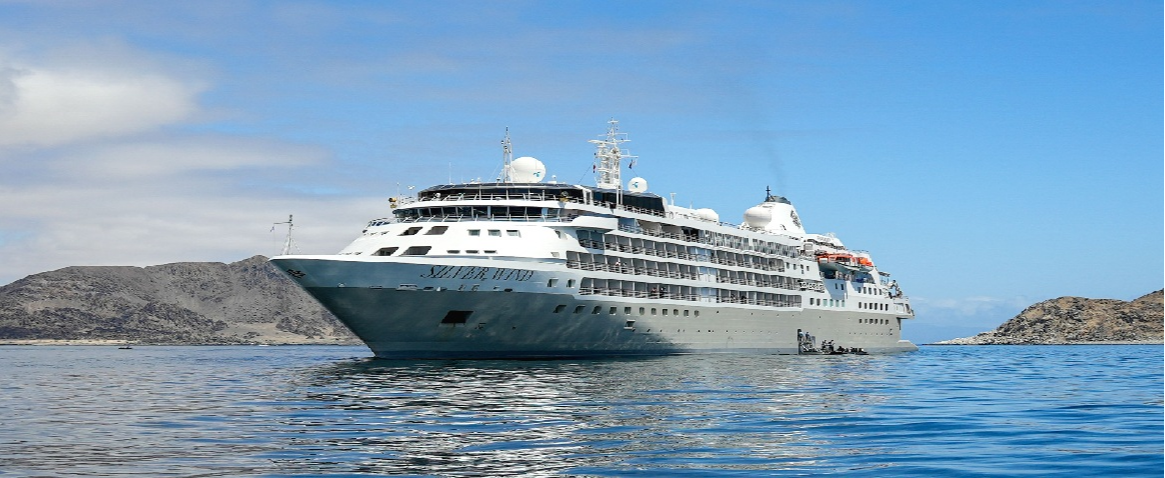
Off Galway Bay, three grey limestone islands close off the Atlantic horizon: Inishmore, Inishmaan and Inisheer, the Aran Islands. Ships anchor off Inishmore, the largest of the three, and tenders bring passengers ashore at Kilronan, the island's only harbour town. From the moment you step off the boat, the scenery sets the tone: dry stone walls stretching as far as the eye can see, tiny fields carved out of bare rock, and the sound of wind that never quite stops.

Kilronan, the Island's Gateway

The village amounts to a few streets around the pier: cafés, wool shops selling Aran sweaters knit in traditional patterns, and bike rental counters. This is where every visitor picks how to explore the island. Three options are available: bicycles, rented right at the pier; minibuses offering guided tours; or horse-drawn carts, a holdover from the days when the island had no other means of transport. Irish remains the everyday language for many residents here, and signs list it first: the islands belong to the Gaeltacht, the region where the Irish language is still passed down.

Dún Aonghasa, a Fortress on the Edge

Nine kilometres from Kilronan, the highlight of the port call waits atop a cliff. Dún Aonghasa, a prehistoric fort built in concentric stone half-circles, clings to the edge of a hundred-metre drop above the ocean. There are no barriers and nothing added for effect: the ring walls open directly onto the void, with waves crashing against the rock face far below. The site ranks among the best-preserved prehistoric remains in Europe, with an age measured in millennia. From the minibus parking area and the small visitor centre, a rocky path climbs to the fort in about twenty minutes; closed-toe shoes make the climb far more comfortable. Up top, sitting on the sun-warmed stone, the Atlantic stretches out unbroken all the way to America.

A Landscape Shaped by Hand

The drive between Kilronan and the cliff is worth just as much as the destination itself. The narrow road winds between hundreds of stone-walled fields, built one rock at a time over generations to clear the ground and break the wind. Islanders literally built their own topsoil by mixing sand and seaweed over the bare limestone. Along the way, you'll pass placid cows, horses, and occasionally a seal lazing on the rocks of a cove. Kilmurvey Beach, about halfway along, offers a stretch of pale sand as a break from the rocky landscape. Cyclists will want to stop often: every bend in the road rearranges the picture of stone walls, ocean and shifting sky.

Making the Most of Your Time

  1. Allow half a day for the round trip to Dún Aonghasa, whichever way you choose to travel.
  2. Set aside an hour to wander the village, between the wool shops and the waterfront.
  3. Leave yourself a buffer before the last tender: the island moves at a slow pace, and that's exactly the point.

Travellers looking for something quieter can simply follow the coast on foot from the village: coves give way to salt marshes, and the ruins of medieval churches dot the surrounding area.

Leaving the Island

As the last tender approaches, many take one last look back at the hills crisscrossed with stone walls. Aran is unlike any other port of call in the British Isles: life here was built against the wind, on bare rock, and everything you see speaks to that quiet determination. You leave with salt on your lips, maybe a wool sweater in your bag, and the feeling of having touched a piece of Ireland that has stayed true to itself.

Frequently Asked Questions

Nowhere: ships anchor off Inishmore, the largest of the three islands, and tenders land passengers at Kilronan, the only harbour village. The Aran Islands close the Atlantic horizon off Galway Bay.
Three options wait at Kilronan pier: bicycles rented on the spot; minibuses running guided circuits; or pony traps, a survival from a time when the island had no other transport. Any of them works; the choice depends on your legs and your schedule.
A prehistoric fort of semicircular stone walls clinging to the edge of a cliff a hundred metres above the Atlantic, nine kilometres from Kilronan. It is one of the best-preserved prehistoric monuments in Europe, and its age is measured in millennia.
None. The concentric walls open straight onto the drop and the waves strike the rock far below. It is striking, and it calls for care: go near the edge knowing exactly what you are doing, especially in strong wind or with children.
Yes. From the minibus car park and the small visitor centre, a rocky path climbs to the fort in about twenty minutes. Closed shoes make the climb considerably more pleasant.
Allow half a day for the round trip to Dún Aonghasa, whatever transport you choose, then an hour to wander the village between wool shops and waterfront. Keep a margin before the last tender: the island is covered slowly, and that is exactly right.
Because the islanders literally manufactured their farmland. The walls, built stone by stone over generations, clear the ground and break the wind, and the people mixed sand and seaweed over the bare limestone to make a little soil.
Yes. Irish remains the everyday language of many residents and appears first on the signs: the islands are part of the Gaeltacht, where the Gaelic language is still passed on. English is understood everywhere without difficulty.
In the wool shops of Kilronan, around the pier, where sweaters are knitted to the traditional patterns. It is the island's emblematic souvenir, and buying it here means something the same garment sold in Dublin does not.
Absolutely, and it is a pleasant choice. Walk the coast from the village: coves alternate with salt meadows, ruined medieval churches dot the surroundings, and the pale sand of Kilmurvey beach offers a break in this stony landscape.