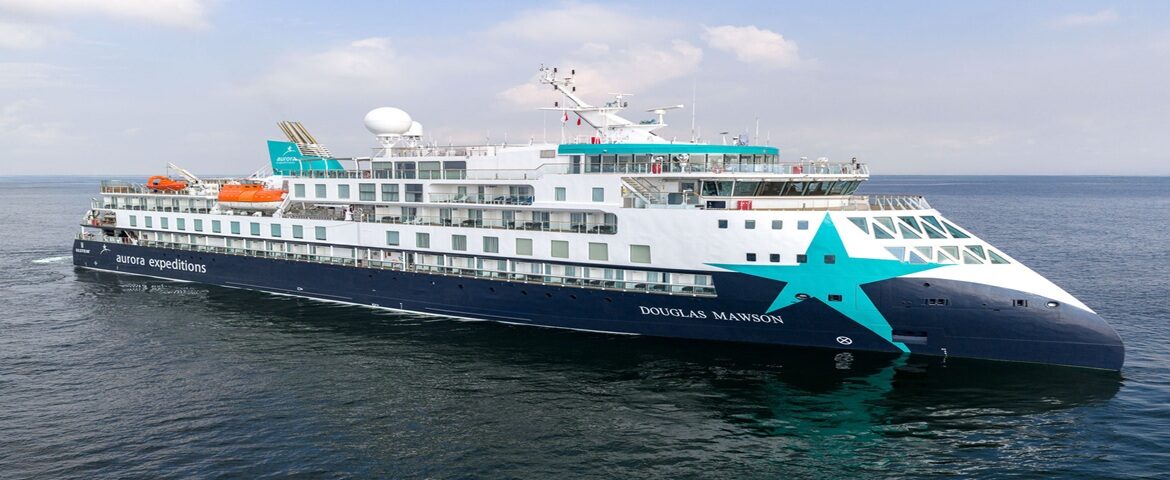
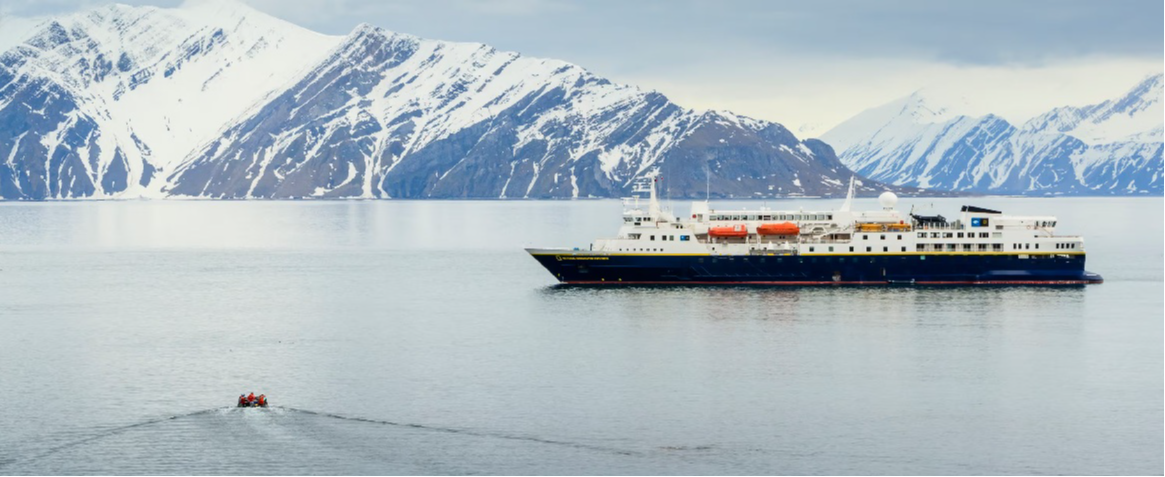
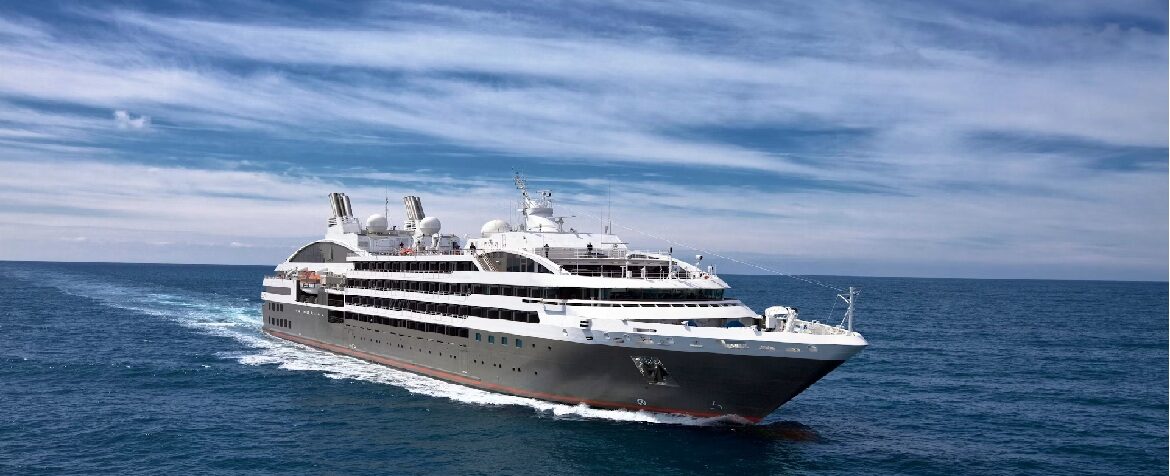
It is the colours that strike first. From the tender crossing the bay, Dingle appears as a row of painted façades—deep blue, mustard yellow, brick red—clinging to the water's edge, with the green hills of Kerry as backdrop. Small ships drop anchor offshore, and ferries land passengers at the quay, in the town's heart. No shuttle, no terminal: you set foot directly into the village's life.

A Fishing Village at Europe's Edge

Dingle is the only significant settlement on the peninsula of the same name, roughly fifty kilometres southwest of Tralee. You find yourself here in Gaeltacht, a region where Irish remains a living language: signs display An Daingean, and it is not rare to hear Gaelic at a shop counter. Along the quay, fishing boats still land crabs and langoustines. This maritime economy tastes in the waterfront restaurants, where products pass from deck to plate in a few hours: steaming chowder, fresh crab, warm brown bread.

Pubs That Also Serve as Hardware Stores

The main streets—Main Street, Green Street, Strand Street—are walked in little time, yet you can spend hours there. Dingle has kept a singular tradition: some pubs also function as shops. You once bought boots or nails there before ordering a pint, and a few establishments maintain this double face. Afternoon and evening alike, several addresses offer traditional music: violin, accordion and bodhrán accord while rain, often, drums on the windows. On the quay, a bronze statue recalls Fungie, the great dolphin who escorted the bay's boats for nearly forty years and became the beloved mascot of the entire peninsula. Artisan workshops complete the stroll, among Celtic jewellery, woolens and pottery. Near the basin, Oceanworld Aquarium presents the Atlantic coast's marine life and delights families.

The Slea Head Drive, a Condensed Ireland

If schedule allows, an excursion on the Slea Head Drive justifies the landing alone. This coastal road circles the peninsula's extremity and chains Atlantic-battered cliffs, pale beaches and pastures falling into the sea. Along the way stand witnesses of very ancient Christian past: Gallarus Oratory, a dry-stone chapel roughly 1,200 years old, and beehive-shaped stone huts where monks lived. Offshore stand the Blasket Islands, inhabited until mid-twentieth century. Boat sorties running this shore cross seals, seabirds and sometimes dolphins.

A Few Ideas According to Available Time

  • Two hours: the quay and main streets, a chowder at water's edge.
  • Three to four hours: add the aquarium and a musical pause in a pub.
  • Half-day: the Slea Head excursion and Gallarus Oratory, or a sea sortie along the cliffs.

Leaving With a Tune in Mind

At the hour of crossing the bay again, the coloured façades slowly shrink behind the wake. There remains salt on the lips, a few violin notes in memory and that particular sensation of having spent the day in a place that does not play a role: Dingle existed thus long before the ships arrived, and will carry on doing so long after. That is precisely what makes you want to return, by sea or by road.

Frequently Asked Questions

No. Smaller ships anchor offshore and tenders land passengers at the pier, right in the centre of the village. No shuttle, no terminal: you step straight into Dingle life.
Entirely. The main streets — Main Street, Green Street, Strand Street — take little time to cover, though you can happily spend hours on them. The pier, the waterfront restaurants and the aquarium are all within walking distance.
Yes. Dingle lies in the Gaeltacht, a region where Irish remains a living language: the signs read An Daingean and you may well hear Gaelic across a shop counter. English is used everywhere without difficulty.
Some double as shops: you once bought boots or nails before ordering a pint, and a few establishments keep up that double life. Several venues offer traditional music afternoon and evening — fiddle, accordion and bodhrán.
A bottlenose dolphin who escorted boats in the bay for nearly forty years and became the beloved mascot of the whole peninsula. A bronze statue on the pier recalls him. He is gone, but his memory is part of the town's identity.
Whatever the boats landed that morning: crab and langoustine go from deck to plate in a few hours. Steaming chowder, fresh crab and brown bread still warm are the standard on the waterfront, and one of the great pleasures of the call.
A coast road that loops the tip of the Dingle peninsula, linking Atlantic-battered cliffs, pale beaches and pasture that runs down to the sea. If the schedule allows, it justifies going ashore all by itself.
A dry-stone chapel around 1,200 years old on the Slea Head road, built without mortar and still watertight. The area also has beehive-shaped stone huts where monks lived: witnesses to a very old Christian past.
Allow two hours for the pier, the main streets and a chowder by the water. Three to four hours lets you add the Oceanworld aquarium and a music stop in a pub. Half a day opens the door to Slea Head or a boat trip along the cliffs.
Yes, on the boat trips that follow the coast: they encounter seals, seabirds and sometimes dolphins. Offshore stand the Blasket Islands, inhabited until the mid-twentieth century. Nothing is guaranteed, but this coast is generous.