Okayama City Japan Okayama
17
Cruises availables
At departure or passage at this port
Lindblad Expeditions (9 Cruises)
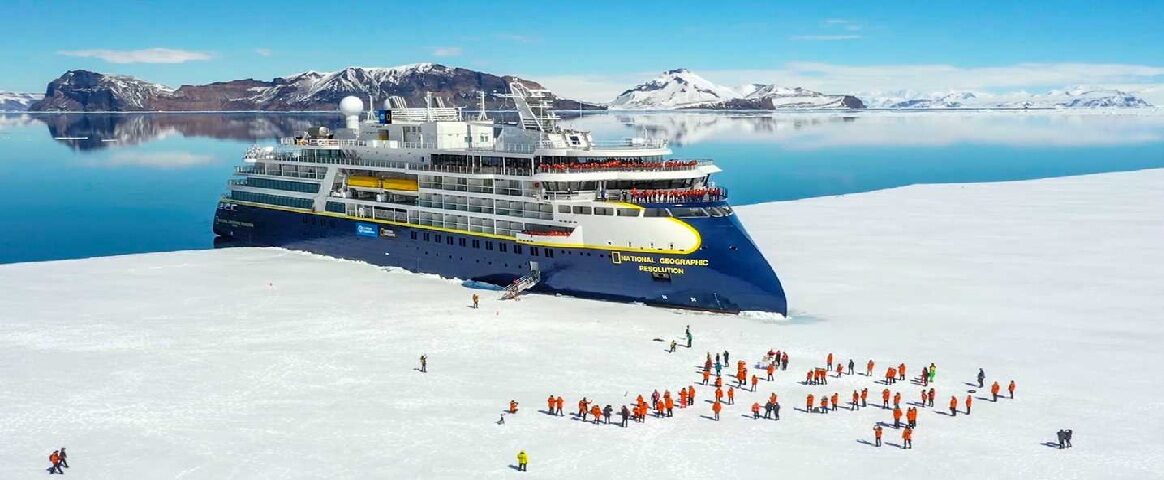
National Geographic Resolution
9 Cruises

Scenic Cruises (8 Cruises)
Scenic Spirit
8 Cruises


| 21 March | 27 days | One-way from Hakata-Fukuoka City to Siem Reap |
450-628-6241
Call us
|
| 21 March | 26 days | One-way from Hakata-Fukuoka City to Siem Reap |
450-628-6241
Call us
|

Okayama, Japan | Cruise Port Guide
Frequently Asked Questions
Not in Okayama itself. Ships berth to the south at the port of Uno, on the Seto Inland Sea. About forty minutes by road separate the quays from downtown, through hills dotted with peach orchards and muscat vineyards.
You have to pick one of three directions, all of them good: Korakuen Garden with the castle right across the river, the Bikan district of Kurashiki, or the art islands from Uno. Stringing them together is not realistic on a single call.
Completed in 1700 for the provincial lord, it ranks officially with Kanazawa and Mito at the summit of Japanese landscape gardening. Its close-cropped lawns, rare in classical gardens, spread between ponds, artificial hills and tea plantations. Allow a good hour and a half to walk it unhurried.
For its black facades, in contrast with the white heron of Himeji. Built in the late sixteenth century, destroyed in 1945 and rebuilt, it now houses exhibits on the Ukita and Ikeda lords; from the top floor the view drops onto the Asahi River and the treetops of Korakuen.
Yes, they face each other across the Asahi River and a footbridge links the two banks. You can string lawns and black towers together over a smooth half-day, with no transport in between.
Yes, it is only seventeen minutes by train. The Bikan district preserves a canal lined with willows and seventeenth-century warehouses, white walls and black tiles, converted into museums and craft shops. Flat-bottomed boats glide under the stone bridges, poled by hand.
Japan's first collection of Western art, opened in 1930. An El Greco hangs alongside Monet and Gauguin behind a Greek-columned facade on the canal. It is the major cultural stop in the Bikan district.
Uno is the gateway to Naoshima, twenty minutes away by ferry: Yayoi Kusama's yellow pumpkin on the jetty, Tadao Ando's buried museums, villages turned into galleries. The round trip only works if the ship stays alongside for a long day; otherwise, stick to the sculptures set around the terminal.
He is the boy born from a giant peach who set off to fight ogres with a dog, a monkey and a pheasant. Every Japanese child knows the tale, and it greets travellers at the station as a bronze statue. Local confectioners still sell kibi dango, the sweet rice dumplings that bought his companions' loyalty.
The prefecture's peaches and muscat grapes in season, Momotaro's kibi dango, and above all denim: the Kojima district of Kurashiki is home to the workshops that launched Japanese jeans and now dress enthusiasts worldwide.


