Kiritimati-Christmas Island Line Islands, Kiribati
Kiribati
2
Cruises availables
At departure or passage at this port
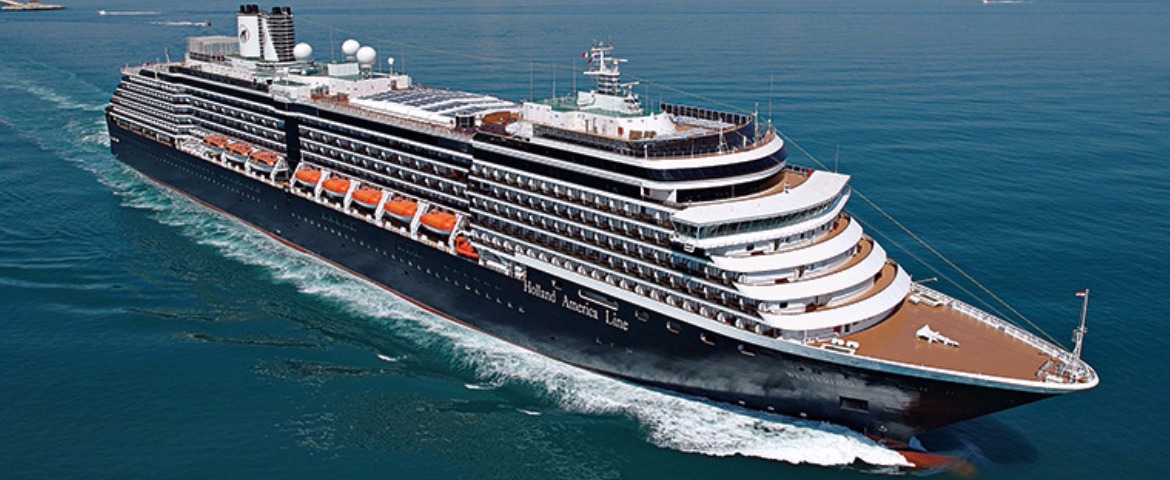
Holland America Line (2 Cruises)

Kiritimati Island, Kiribati | Cruise Port Guide
Frequently Asked Questions
By tender. The few ships that stop here anchor offshore and land at London, the main settlement with the small jetty. Swell can complicate the operation; passengers with reduced mobility should check with the ship before committing.
James Cook reached the atoll on Christmas Eve 1777 and named it Christmas Island. Kiritimati is the Gilbertese transcription, pronounced "Kirismas". It is the world's largest atoll by land area.
The names are thought to come from planters and cable workers passing through in the early twentieth century. London, the main settlement, faces the coconut groves of Paris, a hamlet now largely abandoned across the pass, while Banana stretches near the airfield and Poland occupies its spit of coral further south.
Life is organised around the jetty, the church, the small shops and the stilt houses roofed in tin or palm. The welcome is direct and warm; traditional dance groups sometimes perform when ships arrive, to Gilbertese polyphonic singing that ranks among the finest in the Pacific.
The entire island is designated a wildlife sanctuary, and some particularly sensitive zones remain closed. The inner lagoons and mudflats host seabird colonies numbering in the hundreds of thousands, one of the largest concentrations in the Pacific.
Sooty terns, frigatebirds, boobies and tropicbirds, by the hundreds of thousands. Excursions go on foot or by pickup along crushed-coral tracks, between palm groves, salt flats and beaches where hermit crabs serve as the welcoming committee.
For its vast white sand flats, wadeable on foot, which rank among the most celebrated anywhere for stalking bonefish on the fly in thirty centimetres of crystalline water. Giant trevally and tuna work the passes. Fishing is strictly regulated and catch-and-release.
In the late 1950s and again in the early 1960s, British and then American nuclear tests marked the island and its people. A few military remains scattered through the coconut scrub recall that chapter soberly.
The Australian dollar. Bring small notes: there are few taxis, no elaborate souvenir shops and no tourist infrastructure. That is the price, and the privilege, of isolation.
Because the Line Islands run on the most advanced time zone on the planet: when islanders greet the sunrise, the previous day is still lingering over half the globe. Few passengers can say they have seen the dawn before everyone else.


