Baa Atoll Maldives
Maldives
Baa Atoll, Maldives | Cruise Port Guide
Frequently Asked Questions
By tender. No pier can take a cruise ship: yours will anchor in the lagoon, and you reach land skimming water so clear the coral passes beneath the hull.
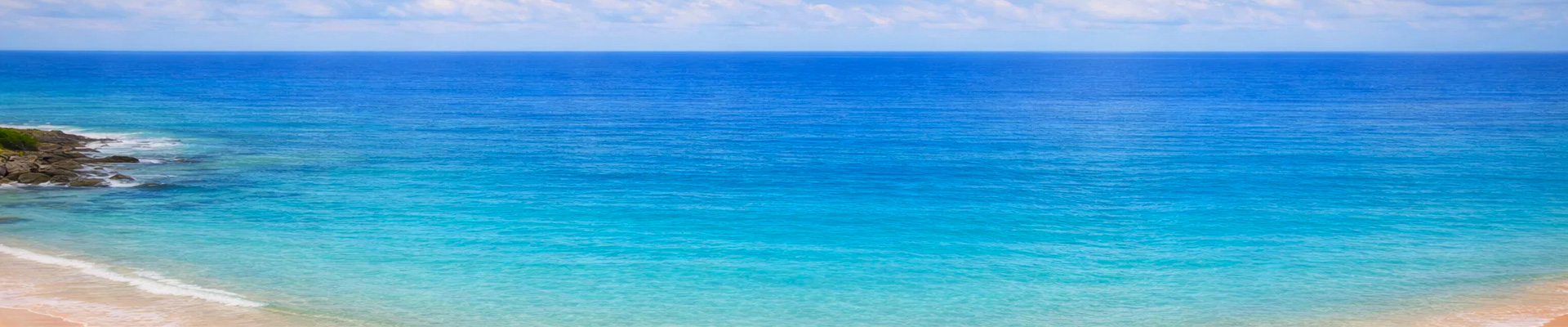
About 120 kilometres northwest of Malé. The atoll is made up of 75 islets, of which only thirteen are inhabited. The deep blue of the Indian Ocean pales on approach, turns turquoise, then sea green over the coral flats.
It has been a biosphere reserve since June 2011, the first in the Maldives. Around 250 coral species and more than 1,200 species of reef and open-water fish are recorded here, and spinner dolphins regularly escort boats between the islands.
It is the reason ships anchor here. When the tide pushes plankton into this underwater cul-de-sac, manta rays converge to feed, sometimes dozens in a single gathering; whale sharks, harmless to humans, occasionally join the feast.
They are strict, and that is what protects the site. Viewing is by snorkel only, mask and tube: scuba diving is prohibited in the bay. Access is by authorized boat, the number of swimmers in the water at once is capped, and each session lasts about 45 minutes. Touching or chasing the animals is forbidden.
No. The gathering depends on tides, currents and season, and none of it can be ordered up. That said, floating in silence while a manta several metres across glides beneath you needs no commentary, and it is worth putting the odds in your favour.
Yes, and it is the other good use of a call here. Eydhafushi, the main island, lines up sandy lanes, shops, a small hospital and a basin where the fishing boats come in at day's end. Dharavandhoo, minutes by sea from Hanifaru, is crossed on foot in half an hour among low houses and drying nets.
The lagoon takes care of that. Excursions often head for uninhabited islets where the vegetation grows freely behind the beach. You land barefoot, swim over the coral heads, watch hermit crabs cross the sand between two palms. Kayaking and swimming fill the hot hours.
Shoulders and knees covered on inhabited islands, swimwear for beaches and deserted islets only. Residents greet you readily, and conversation starts easily over a cup of tea. Take home neither shells nor coral fragments: the biosphere reserve forbids it.
The Maldivian rufiyaa, with US dollars accepted in most shops, and Dhivehi. English is spoken by operators and in hotels. Bring cash in small denominations: the inhabited islands are not set up for cards.


