Le Marin Martinique
4
Cruises availables
At departure or passage at this port


Port of Le Marin, Martinique | Cruise Port Guide
Frequently Asked Questions
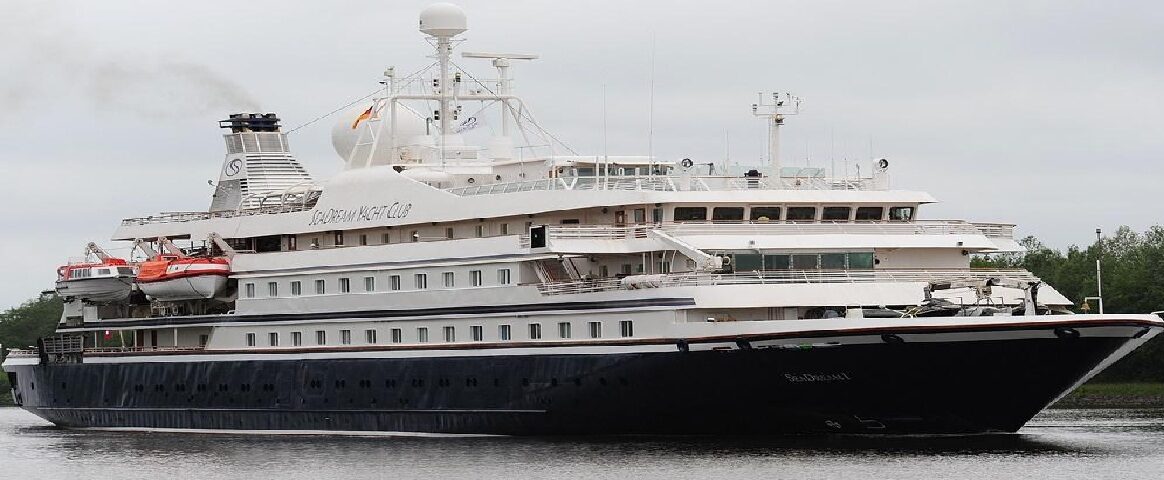
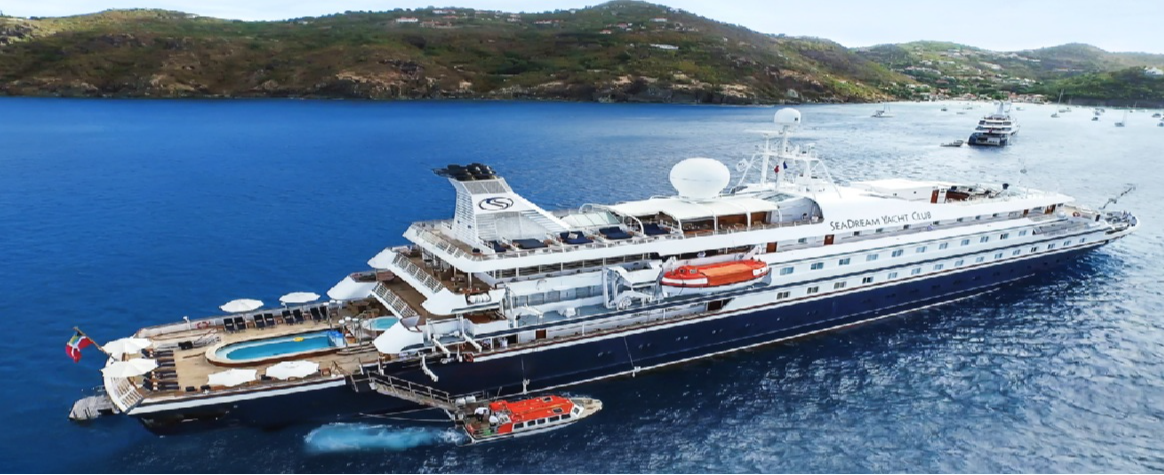
By tender. The ships that call at Le Marin are small vessels: they anchor in the bay and tenders land passengers near the marina, a few minutes' walk from the centre of town.
Its masts. Hundreds of masts packed at the head of a deep bay, the cul-de-sac marin, cutting into Martinique's south coast. Le Marin grew around this water sheltered from the swell, and over the decades it became the leading yachting centre in the Caribbean.
Strolling the marina quays, walking up to St Stephen's church and going through the town market fill a morning. For Les Salines beach, allow about twenty minutes' drive and a good half day there: it is the natural excursion of the call.
More than 800 berths, pontoons crowded with departing crews and a fleet of charter yachts that later scatter toward the Grenadines. Sail lofts, chandlers, cafés where people compare routes: the place moves to the rhythm of departures and returns. Even without setting foot on a yacht, you find yourself reading hull names and home ports.
It is one of Martinique's oldest places of worship, raised in 1766 in the style of the Jesuit missions. Its plain facade and wooden roof frame give it all its character. Around it the town unfolds its simple streets, town hall and market: nothing here is staged.
By taxi, about twenty minutes' drive via Sainte-Anne. Agree the fare and the return time with the driver before setting off. Les Salines spreads a long arc of pale sand fringed with leaning coconut palms, the water shelves gently and sea grape trees provide shade.
The village is worth an hour: its stone church facing the sea and its coconut sorbet sellers. It is the natural stop before or after Les Salines, and it keeps the call from being reduced to a straight beach day.
Yes, allowing half a day. On the Atlantic coast, Habitation Clément at Le François brings together a 19th-century distillery, a Creole house furnished in period style and a park planted with royal palms. You follow the path of rhum agricole, from freshly cut cane to barrel ageing.
It is where the future empress Joséphine grew up, at Les Trois-Îlets, west of Le Marin. A small museum occupies the outbuildings of the old sugar works. It combines well with Habitation Clément on a half-day circuit through southern Martinique.
The euro and French, Martinique being a French department; Creole is the language of daily life. Bank cards are accepted almost everywhere, cash remains useful at the market. English, though, is not widely spoken outside the marina.


