Ixtapa-Zihuatanejo Guerrero, Mexico Riviera
11
Cruises availables
At departure or passage at this port
Carnival Cruise Line (1 Cruises)


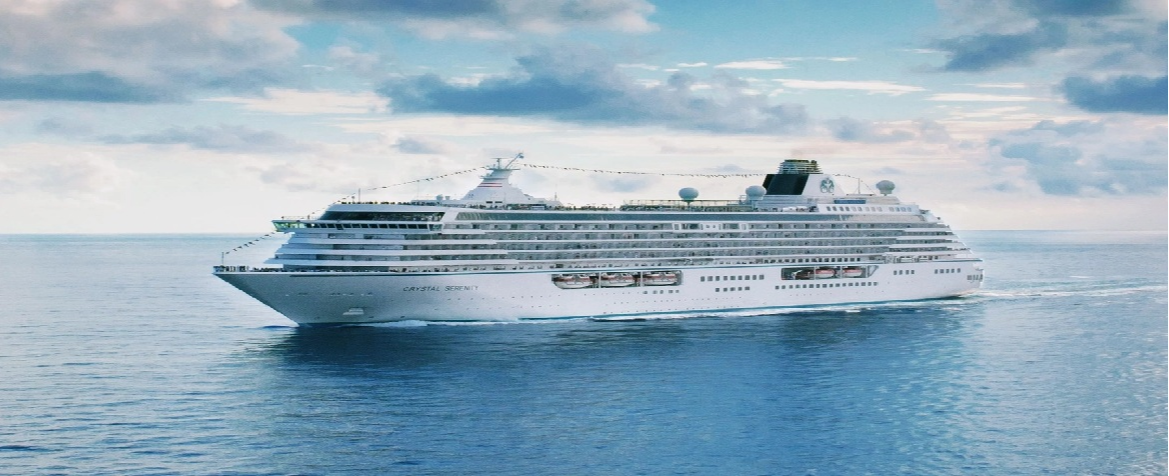
Crystal Cruises (6 Cruises)

Oceania Cruises (4 Cruises)


Frequently Asked Questions
They anchor off the town: there is no terminal. Tenders drop passengers at the Paseo del Pescador landing in the heart of the village after a ten to fifteen minute ride.
Yes, all of the village. The landing opens directly onto the fishermen's promenade, the cobbled lanes and the municipal market. La Ropa beach is reached by a cliffside path, about fifteen minutes past Madera.
The village in the morning, with the Paseo del Pescador, the Costa Grande museum and the market, then the cliff path to Madera and La Ropa. If you want calm swimming instead, take a water taxi to Las Gatas.
Zihuatanejo is the old fishing village where tenders land; Ixtapa is the modern resort built about ten kilometres away, with golf courses, marinas and large hotels along the El Palmar crescent. Fifteen minutes by taxi separates them, and the two crowds rarely mix.
A cove across the bay from the village, reachable only by water taxi from the landing. A stone barrier, which legend credits to a Tarascan king, keeps the water calm and makes snorkelling easy. The palapas serve tiritas de pescado, the local lime and red onion ceviche.
La Ropa for swimming: a kilometre of palm-lined sand with umbrellas and chairs for rent. Madera, closer to the village, suits families better thanks to its gentler water. La Ropa takes its name from a galleon wreck whose cargo of silks washed ashore here.
The Mexican peso. Eating at the municipal market costs very little and is cash only; cards work in the waterfront restaurants.
Spanish, with everyday English along the Paseo del Pescador. The village has received ships for a long time, but it has not tipped over into pure tourism.
The Costa Grande archaeological museum, at the far end of the Paseo del Pescador. Six rooms, half an hour, and the pre-Columbian history of this coast: ceramics, obsidian tools and trade links with the great cultures of the central plateau.
At the municipal market, a few streets back from the waterfront, mid-morning. The family kitchens around it serve Thursday pozole, a regional tradition observed to the letter.


