Gudvangen Norway
Norway

983 Cruises availables At departure or passage at this port

Hurtigruten (977 Cruises)

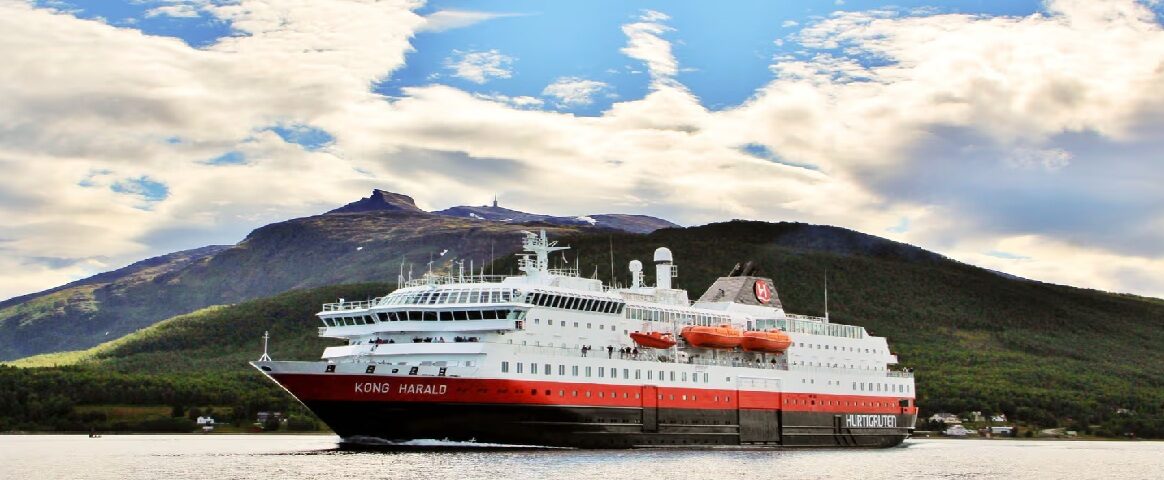
MS Kong Harald

MS Kong Harald

11204 tons
Visit the ship's page
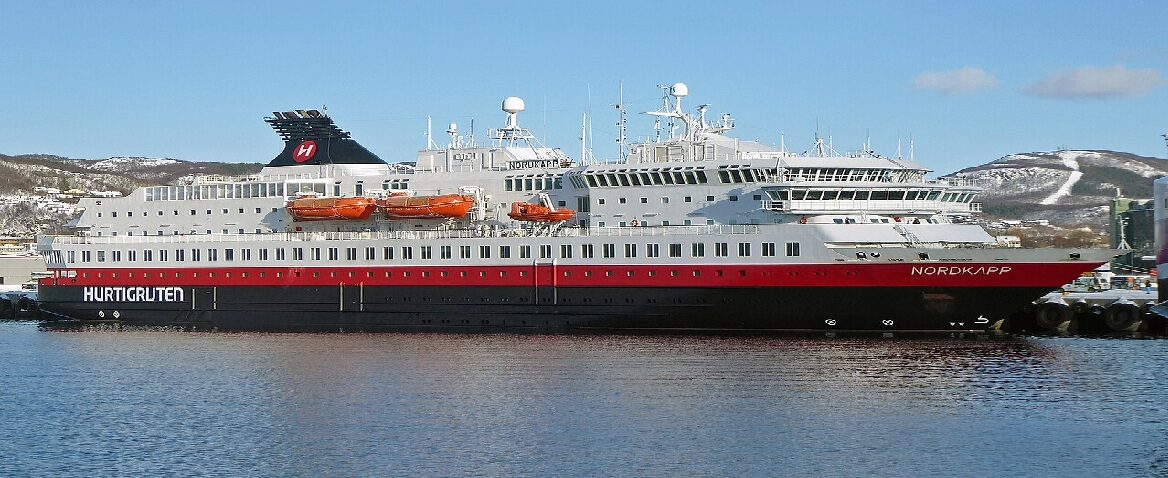
MS Nordkapp.

MS Nordkapp

11386 tons
Visit the ship's page
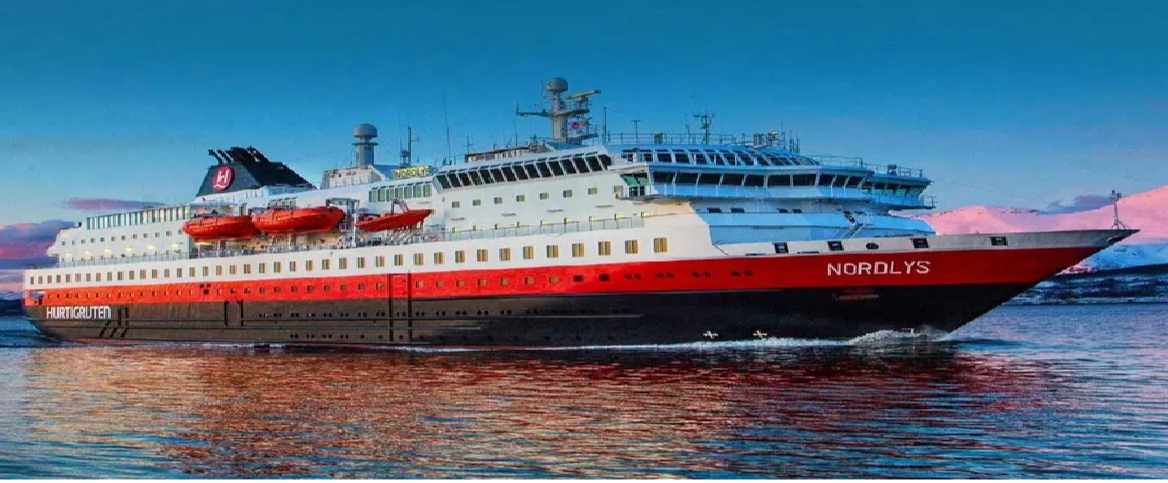
MS Nordlys

MS Nordlys

11204 tons
Visit the ship's page
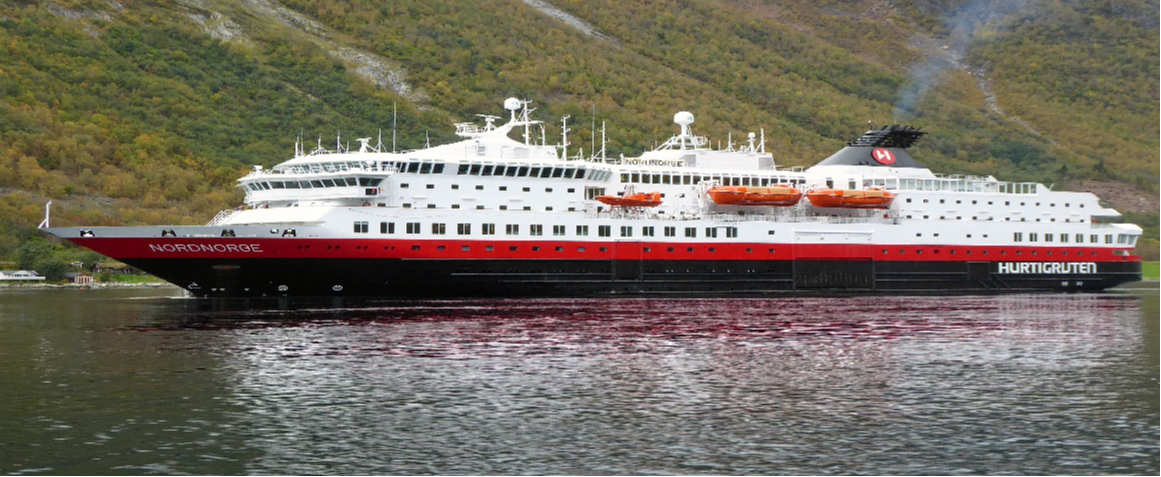
MS Nordnorge

MS Nordnorge

11384 tons
Visit the ship's page
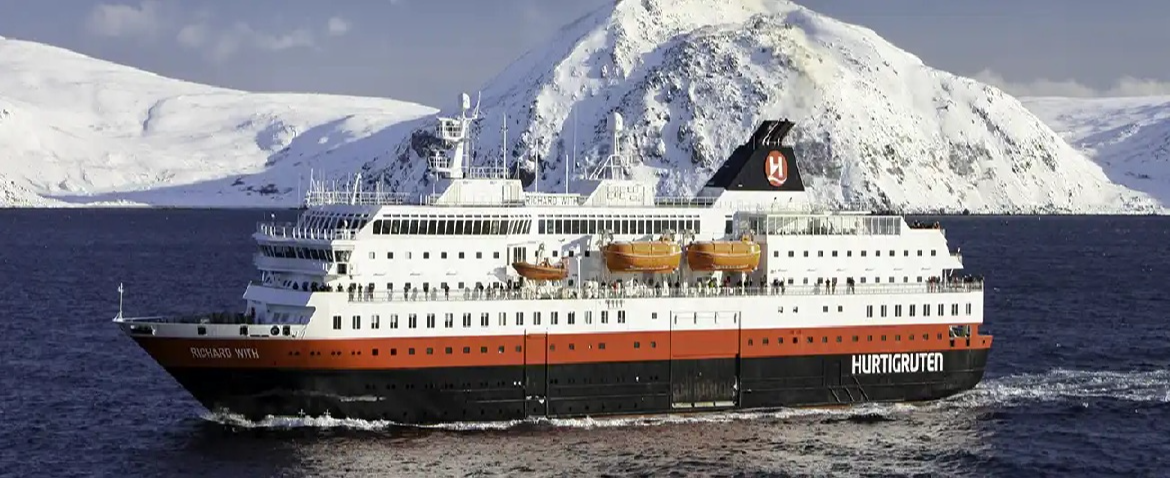
MS Richard With .

MS Richard With

11205 tons
Visit the ship's page
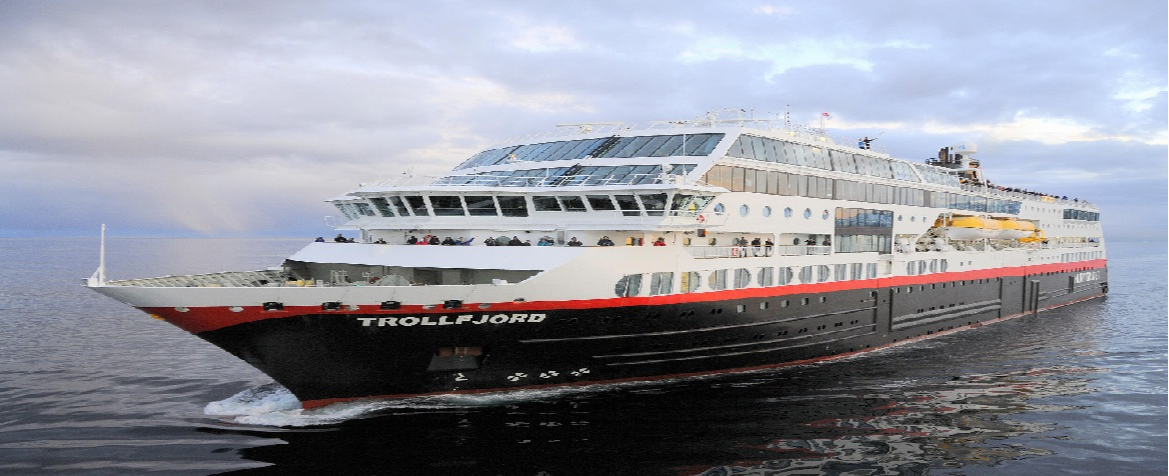
MS Trollfjord.

MS Trollfjord

16140 tons
Visit the ship's page

The cliffs narrow, the sky reduces to a ribbon, and silence claims the outer decks: the ship has entered the Naerøyfjord. Listed as a UNESCO World Heritage site, this arm of the Sognefjord measures only 250 metres wide at its narrowest point, with walls rising above 1,000 metres. Deep within this stone corridor awaits Gudvangen, a hundred inhabitants and one of Norway's oldest cruise anchorages, frequented since the 1850s.

An Arrival Worth Every Excursion

Here, the spectacle begins well before landing. Delicate waterfalls plunging from summits, tiny farms clinging to terraces, goats balanced on slopes: each minute of navigation adds an image. Passengers stay outside despite the cold, binoculars in hand, watching for seals that sometimes ascend the arm of sea. The mooring at the valley's end, between two walls, offers a sensation of intimacy rare for an ocean-going ship. In summer, silent electric ferries also connect the dock to Flåm, crossing the ships in passage.

Njardarheimr, the Viking Village

Steps from the dock, a collection of wooden buildings with turf roofs reconstructs a Viking-era town. Njardarheimr is no mere backdrop: craftspeople live their passion there daily, forging, weaving, baking bread and recounting Norse civilization with infectious enthusiasm. You try hand-axe throwing, taste mead, hear the sagas. Children leave enchanted, and many adults too.

Walking in the Valley's Depths

Around the hamlet, trails abound. The simplest traces the river through the Naerøydalen valley, between meadows and walls where clouds cling; above the rooftops, the Kjelfossen waterfall, one of the country's highest, puts on a permanent display. Sea kayaks, available in season by the shore, allow you to seek the reverse perspective: the village seen from the middle of the arm of sea, dwarfed by mountains—a viewpoint one does not forget.

Road excursions often climb the valley to the Stalheim overlook, perched atop a road of hairpin turns famous throughout the country. From up there, the gaze plunges into the Naerøydalen corridor, framed by twin waterfalls, a panorama that already figured in 19th-century romantic engravings and has lost nothing of its power.

Undredal and Its Pocket Church

Some excursions push on to Undredal, a neighbouring hamlet accessible by road or boat, famous for two reasons: Norway's smallest standing wooden church, barely forty seats, and artisanal goat cheese that farms produce following methods passed down through generations. The tasting, facing the fjord, ranks among the region's simple pleasures.

A Few Useful Reference Points

  • Village entirely accessible on foot from dock or mooring.
  • Njardarheimr: allow one to two hours for a visit.
  • Kayaking, hiking and excursions to Undredal depending on season.
  • Changeable weather in all seasons: layer your clothing.

Departure is experienced like arrival, in reverse and in silence. The walls file past one last time, the waterfalls recede, then the arm of sea finally widens toward light. Long afterward, when one thinks back on Norway, it is often that hour that returns first: a corridor of green water between two mountain walls, and a tiny hamlet deep within, greeting ships for more than a century and a half. Some passengers, on the return journey, say nothing more: the landscape has claimed all the space.

Frequently Asked Questions

At the head of the valley, between two rock walls, at the very end of the Nærøyfjord. The village is entirely walkable from the quay or the anchorage. It is one of Norway's oldest cruise anchorages, visited since the 1850s.
An arm of the Sognefjord on the UNESCO World Heritage list, just two hundred and fifty metres wide at its narrowest, with walls rising more than a thousand metres. The arrival makes the call: slender waterfalls, tiny farms clinging to ledges, goats balancing on the slopes.
A cluster of wooden turf-roofed buildings recreating a Viking-age settlement, steps from the quay. It is not a stage set: craftspeople forge, weave, bake bread and recount Norse civilisation. Allow one to two hours.
You try axe throwing, taste mead, listen to the sagas and talk with craftspeople who live their trade daily. Children come away won over, and plenty of adults too.
Njardarheimr takes one to two hours. Then add either the riverside walk in the Nærøydalen valley, sea kayaking, or the road excursion to the Stalheim viewpoint. The whole village is done on foot.
A lookout perched at the top of a hairpin road famous throughout the country. From it the eye plunges into the Nærøydalen corridor, framed by twin waterfalls, a panorama that already featured on romantic engravings in the nineteenth century.
Yes, sea kayaks are available by the water in season. They let you find the opposite perspective: the village seen from the middle of the inlet, dwarfed by the mountains, a viewpoint you do not forget.
One of the highest waterfalls in the country, permanently in view above the hamlet's roofs. The easiest trail follows the river through the Nærøydalen valley, between meadows and rock walls where the clouds catch.
Two things: Norway's smallest stave church, seating barely forty, and an artisanal goat cheese made by methods handed down through generations. The hamlet is reached by road or by boat, depending on the excursion.
Layers: the weather shifts in every season at the bottom of this stone corridor, and passengers often stay outside despite the cold during the approach. A waterproof windbreaker is essential.