Kalvåg, Norway | Cruise Port Guide

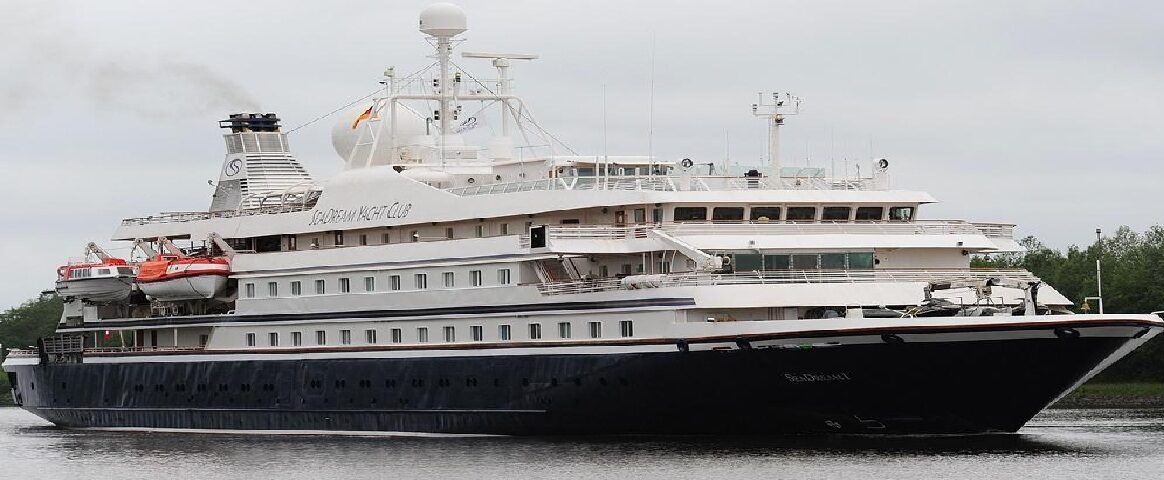
In the morning, at Kalvåg, it's the engines of the coastal boats that serve as the wake-up call. This village on Norway's west coast, tucked onto the island of Frøya within the municipality of Bremanger, remains one of the best-preserved fishing harbours on the coastline, and it still works for a living: boats come in, crab pots are stacked, gulls follow the catch. The cruise ships that stop here are rare and small, often expedition yachts, and their passengers step ashore into a setting of stilted warehouses and wooden houses huddled around a sheltered basin.

The Herring Legacy

In the 1860s, Kalvåg ranked among the largest fishing villages on the Norwegian coast. Herring drew thousands of seasonal workers back then, and the village had built itself shops, a school, a police station, and even a hospital. From that era remain the red warehouses lined up along the water, the wooden docks, and a layout entirely organized around the sea. Walking between the buildings is like flipping through that past with no glass case or staging: today's fishing works the same docks as yesterday's.

Knutholmen, Table and Refuge for Seafarers

At the centre of the harbour, the Knutholmen complex gathers restored fishermen's cabins, flower-lined docks, and a restaurant known throughout the region for its seafood. It serves whatever the boats bring in, from crab to monkfish, in wood-panelled rooms where regulars sit alongside visiting sailors. For many passengers, the meal here is the heart of the stop; it's worth saving your appetite for the occasion. Nearby, the Torsheim gallery exhibits regional artists, a natural extension of the place's character.

Coastal Trails and a Storm Hut

Around the harbour, marked trails wind through a landscape of low heathland, smoothed rocks, and clear coves. The loops range from a half-hour stroll to a few hours' walk along the coast. At the island's farthest tip sits a curiosity locals take pride in: Dosabu, a storm-watching hut anchored facing the open sea, where you can watch the ocean rage, safe and dry behind the windows. In calm weather, the same spot becomes a peaceful lookout over the islets and reefs of the Bremanger coast.

The Sea, the Active Way

The fish-rich waters of the Frøysjøen strait lend themselves to fishing trips and boat excursions to the neighbouring islands. The bolder among visitors round off the day at the floating sauna moored near the dock, cold-water plunge included, a habit Norwegians practise year-round and happily share with passing visitors. None of this requires much planning: in Kalvåg, everything starts at the dock and everything comes back to it.

A Few Pointers

  • Everything is within walking distance; no transport is needed.
  • Bring a windproof jacket and walking shoes: the west coast weather turns quickly.
  • Shops are few; purchases are mostly limited to local crafts and seafood.

What the Village Leaves With the Traveller

Heading back out to open water through the Frøysjøen, you watch the red warehouses recede and understand what made this stop essential: a village that never stopped being itself. Kalvåg hasn't dressed up for visitors; it welcomes them into its everyday life, among the tides, the fish, and a hot cup of coffee. The great fjord cities impress more at first glance, but it's often this kind of simple morning that comes back to mind, long after, when thinking back on Norway.

Frequently Asked Questions

In the heart of the harbour, among the sheds on stilts and the wooden houses packed around the sheltered basin. Everything is walkable; no transport is needed. Ships calling here are rare and small, often expedition yachts.
On the island of Frøya in the municipality of Bremanger, on Norway's west coast. It is one of the best preserved fishing harbours on the coast, and it is still working: boats come in, pots stack up, gulls follow the fish.
In the 1860s the village was among the largest fishing settlements on the Norwegian coast. Herring drew thousands of seasonal workers, and the place acquired shops, a school, a police station and even a hospital. From that era remain the red warehouses lined along the water.
A cluster of restored fishermen's cabins and flower-lined quays in the middle of the harbour, with a restaurant known across the region for its seafood. It serves what the boats land, from king crab to monkfish, in wooden rooms where regulars sit alongside passing sailors.
For many, the meal at Knutholmen is the heart of the call: save your appetite. Add a loop on the coastal trails, the Torsheim gallery and a walk among the red warehouses. Everything starts at the quay and returns to it.
An observation hut anchored facing the open sea at the far tip of the island, from which you watch the ocean rage while staying dry behind the glass. In calm weather the same spot becomes a peaceful lookout over the islets and skerries of the Bremanger coast.
Yes, marked paths cross a landscape of low heath, polished rock and clear coves. Loops range from a half-hour stroll to a walk of several hours along the shore.
Yes to both. The fish-rich waters of the Frøysjøen strait suit fishing trips and boat excursions to the neighbouring islands. The bolder finish at the floating sauna moored near the quay, with a plunge into cold water to follow.
Very little: businesses are few and purchases come down to crafts and seafood. The Torsheim gallery shows regional artists, a natural extension of the character of the place.
A windbreaker and walking shoes: west coast weather turns quickly, and the trails cross polished rock that is often wet.