Vesteralen Islands Norway
Norway

Vesterålen Islands, Norway | Cruise Port Guide

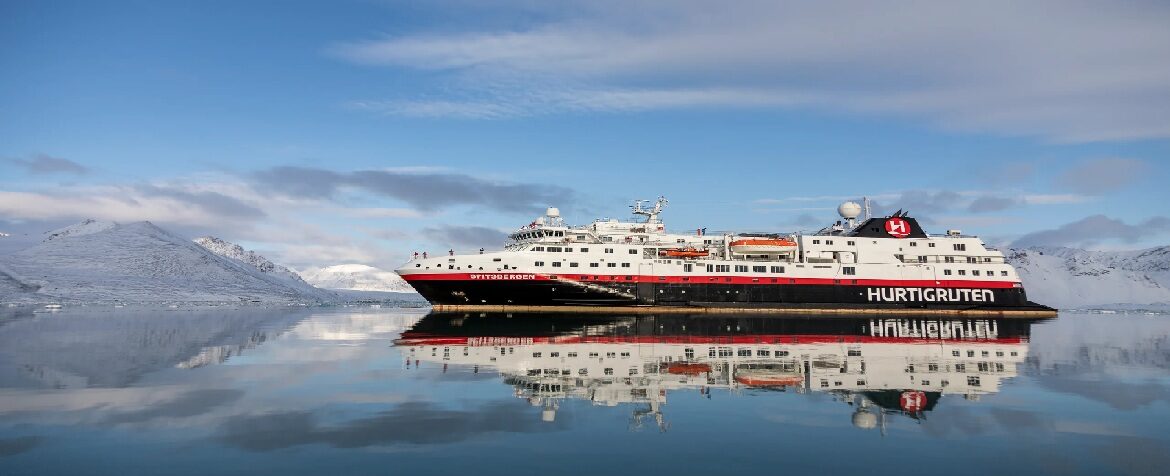
North of the famous Lofoten Islands, their neighbouring Vesterålen archipelago unfolds a more secret world, where mountains plunge into straits so narrow the ships seem to brush against the shores. It was here, in these sheltered passages, that the idea was born in 1893 for a maritime link connecting Norway's isolated coastal communities: the Coastal Express, known to Norwegians as the Hurtigruten. Sailing through the Vesterålen means following the founding route of all coastal navigation in the country.

Stokmarknes, the Birthplace of the Coastal Express

The archipelago's standout port of call is Stokmarknes, a small town set on the edge of the strait, a five-minute walk from the pier. It was from this little harbour that Captain Richard With launched the first regular service to the north, and the town honours him with the Hurtigruten Museum. Its museum centrepiece is surprisingly grand: the former ship MS Finnmarken, preserved whole inside a glass enclosure, can be toured from the engine room to the upper deck. Period cabins, wood-panelled lounges, the smell of oil and polished wood: an hour's visit carries you through a century of Norwegian maritime life.

Landscapes That Close In

Around Stokmarknes, the route offers some of the most striking passages on the coast. Jagged peaks reflect in strikingly calm waters, farms cling to the rare flat ground, and sea eagles wheel above the masts. Several routes pass through the Raftsund, a long marine corridor between rock walls, famous for its branch into a fjord so narrow that ships sometimes have to turn in place within it. The outer decks fill up at moments like these, and a hush falls over the ship on its own.

The Realm of the Whales

The Vesterålen owe their reputation among nature lovers to a quirk of underwater geology: the continental shelf drops away just ten kilometres or so from the coast, creating depths where great whales come to feed. Off Andenes, at the northern tip of the archipelago, sperm whales rise from the depths year-round to breathe, while winter brings orcas and humpback whales in for the herring shoals. Whale-watching excursions depart from Andenes, where an interpretation centre devoted to the giants of the sea prepares visitors before boarding; led by naturalist guides, these trips report exceptional sighting rates. Watching a sperm whale's tail break the surface against a backdrop of snow-capped mountains ranks among Norway's great travel moments.

Fishing Villages and Island Life

Between sailings, the archipelago reveals itself in small glimpses: Sortland with its blue-painted façades, cod-drying racks standing near the quays, pale beaches that come as a surprise at this latitude, and peat bogs where sheep graze. Fishing remains the economic lifeblood of the islands, as shown by the boats lined up in every cove. Photography enthusiasts keep their cameras close at hand: between the shifting light on the peaks and the cabins perched on pilings, opportunities never run out. Visitors with time to spare can also set off on marked coastal trails, with views of the open ocean on one side and the inland peaks on the other.

Following Captain With's Route Once More

As the ship leaves the archipelago, it follows exactly the wake of the old steamships, between the same mountains and the same hamlets clinging to the shoreline. The Vesterålen leave travellers with a sense of rightness: here, navigation isn't a tourist backdrop but a vital necessity turned into an art. You come away understanding why, in this country, a simple shipping line became part of the national legend.

Frequently Asked Questions

North of the Lofoten, their more famous neighbours, in northern Norway. It is a quieter archipelago, where mountains plunge into straits so narrow that ships seem to graze the shores.
Stokmarknes, a town on the edge of the strait, five minutes' walk from the pier. It was from this small harbour that Captain Richard With launched the first scheduled service north in 1893 — the coastal express Norwegians call Hurtigruten.
The Hurtigruten Museum, whose centrepiece astonishes by its scale: the former MS Finnmarken, preserved whole inside a glass shell, can be walked from the engine room to the upper deck. Period cabins, panelled lounges, the smell of oil and waxed wood — a century of Norwegian seafaring in an hour.
Yes, and it is the archipelago's great speciality. The continental shelf passes barely ten kilometres offshore: off Andenes at the northern tip, sperm whales surface from the depths year-round, while winter brings orcas and humpbacks onto the herring shoals. Trips leave from Andenes with exceptional success rates.
A long marine corridor between rock walls, used by several itineraries, famous for its branch into a fjord so tight that ships sometimes have to turn on the spot. The open decks fill up and the silence settles by itself.
It depends on the port. At Stokmarknes, the Hurtigruten Museum and the waterfront fill the call. At Andenes, sperm whale watching takes up most of the day. The two do not combine: choose before you go ashore.
Sortland with its blue-painted facades, cod-drying racks near the quays, the pale beaches that surprise at this latitude, the peat bogs where sheep graze. Fishing remains the islands' economic lung, as the boats lined up in every cove make clear.
Yes, marked coastal trails offer views over the open ocean on one side and the inland peaks on the other. They take time: save them for long calls, and keep short calls for the towns and museums.
The Norwegian krone, and credit cards everywhere, down to cafés in the smallest ports. Norway runs almost entirely cashless. No currency exchange is needed before the call.
Yes, but for different reasons. The Lofoten offer more spectacular peaks; the Vesterålen offer the sperm whales of Andenes, the birthplace of the coastal express and a less-visited island life. Here, seafaring is not a tourist backdrop but a vital necessity turned into an art.