Gatun Lake Panama Canal

47 Cruises availables At departure or passage at this port

Lindblad Expeditions (44 Cruises)

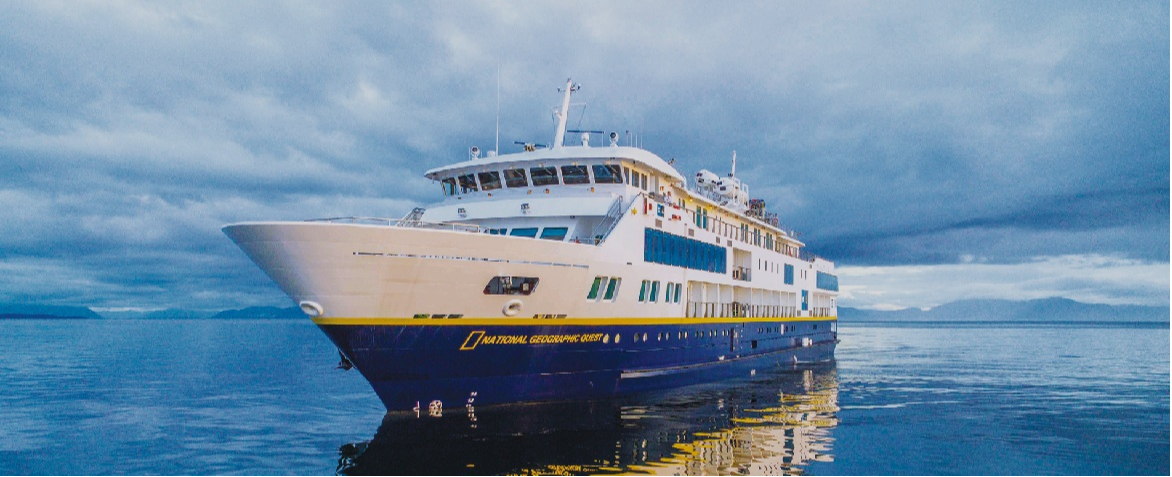
National Geographic Quest

National Geographic Quest

135 Passengers
Visit the ship's page

Gatun Lake, Panama | Cruise Port Guide

At dawn, the ship approaches the Gatún locks and begins an uncommon ascent: three successive chambers hoist it some 26 metres above sea level, to a lake lost in the heart of the Panamanian rainforest. There it drops anchor. Around the hull, no more port noise or ship's whistles — only the cry of howler monkeys echoing across the water from the forested shores. Welcome to Gatun Lake, the heart of the Panama Canal and the stage for a port call unlike any other.

A Lake Born from a Tamed River

Gatun Lake did not exist a little over a century ago. By damming the Chagres River in 1913, the canal builders submerged an entire valley and created what was then the world's largest artificial lake. Hills became islands, forest reclaimed the shores, and wildlife colonized this maze of freshwater that ships now traverse from one set of locks to the other. One of these islands, Barro Colorado, has harboured a Smithsonian research station for nearly a century, where scientists from around the world study the tropical environment.

Monkeys, Sloths and Toucans

From the anchorage, local boats ferry passengers on the day's main excursion: observation cruises among the islets. White-faced capuchins descend to the low branches, curious and playful; howler monkeys, more discreet, announce themselves with their hoarse bellow; with patience, you spot a sloth clinging to its perch or an iguana sunbathing. Toucans, caimans and freshwater turtles regularly complete the scene. Naturalist guides, binoculars in hand, know where to look — wildlife, accustomed to passing boats, lets you approach surprisingly close. The water carries sound far: a kingfisher's plunge is heard a hundred metres away, and everyone naturally lowers their voice without being asked.

Understanding the Canal from Within

Other outings put the canal itself in the spotlight. The Agua Clara Visitor Centre, at the lake's edge, faces the giant locks opened in 2016: you watch next-generation ships rise into the lake while exhibits tell the story of the colossal early 20th-century project. Some itineraries also include paddling up the Chagres River in a canoe to an Emberá village, where music, dance and crafts open a window on the country's indigenous cultures. Whatever you choose, returning to the ship brings new awareness of where you're floating: a human creation turned ecosystem.

The Day in Brief

  • The ship transits the three Gatún lock chambers then anchors in the lake; excursions depart by boat from the dockside.
  • Wildlife observation best in the morning, when the jungle is most active.
  • Constant humid heat: water, hat and insect repellent will make outings comfortable.
  • The return transit through the locks in late afternoon, experienced from the open decks.

Descending Back to the Sea

In the evening, the ship takes its place in the queue, redescends through the three lock chambers and returns to the salt water of the Caribbean. On deck, everyone watches the great black gates of the locks recede with the sense of having spent the day in an in-between world — neither quite sea nor quite land. Gatun Lake appears on no ancient map: humans invented it, the forest adopted it, and for the span of a port call, the traveller was admitted to both.

Frequently Asked Questions

Through the Gatún locks at dawn: three successive chambers lift it about 26 metres above sea level, up to a lake set in the middle of the Panamanian forest. It then anchors, and excursions leave by boat from the ship.
The heart of the Panama Canal, and a lake that did not exist a little over a century ago. By damming the Chagres river in 1913, the canal's builders flooded an entire valley and created what was then the largest artificial lake in the world. Hills became islands.
Wildlife cruising among the islets is the signature excursion: local boats collect passengers from the anchorage. White-faced capuchins come down to the low branches, howlers announce themselves with their hoarse roar, and you spot sloths, iguanas, toucans, caimans and freshwater turtles.
Morning, when the jungle is at its most active. Sound carries far over the water: a kingfisher's dive is audible at a hundred metres, and everyone ends up lowering their voice without being asked.
Yes, surprisingly close: it is used to boat traffic. The naturalist guides, binoculars around their necks, know where to look. That said, no sighting is guaranteed — this is a forest, not a zoo.
One of the drowned hills turned island, home for a century to a Smithsonian research station where scientists from around the world study the tropical environment.
Yes, at the Agua Clara observation centre on the lakeshore, facing the giant locks opened in 2016. You watch new-generation ships rise toward the lake, and the exhibits recount the titanic construction of the early twentieth century.
Yes, some itineraries offer a dugout canoe trip up the Chagres river to an Emberá village, where music, dance and crafts open a window onto the country's Indigenous cultures.
Water, a hat and insect repellent. The humid heat is constant and there is no escaping it. Plan to be on the open decks late in the day too: the return through the three chambers is best experienced outside.
No. The ship anchors in the middle of an artificial lake surrounded by forest: there is no town, no shop and no pier. Everything happens from the ship, by boat excursion.