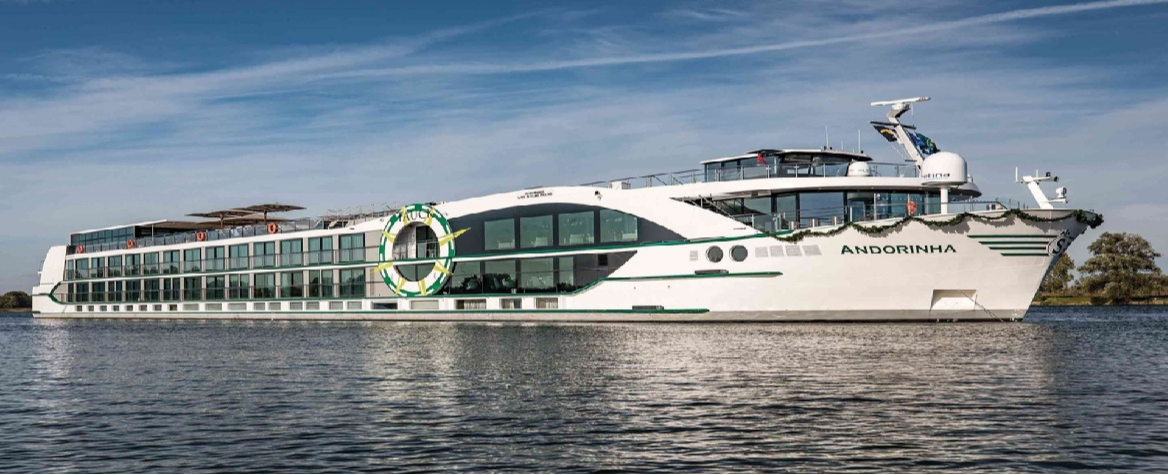
The Atlantic light has something special about it in Cascais: it whitens the façades, makes the bay shimmer, and gives late afternoons those golden tones painters have always loved. A former fishing village turned Portuguese royal family retreat in the late 19th century, the resort town has lost none of its elegance. Ships anchor in the bay, and tenders drop passengers off near the marina, about a ten-minute walk from the centre.

From the Dock to the Heart of Town

The walk toward the centre passes the citadel, a massive fortress that once watched over the approaches to Lisbon and whose inner courtyards, now converted into an arts district, are open to visitors. Past its walls, the cobbled streets of old Cascais unfold shops, pastry shops, and terraces. The smell of warm pastéis de nata drifts from the counters, azulejo tiles dress the façades, and the small bay below still holds its colourful fishing boats pulled up onto the sand.

Beaches Right in the Centre

Few seaside resorts offer such accessible beaches. Praia da Conceição and Praia da Duquesa follow one after another east of the centre in a long crescent of sand, dotted with cafés and lounge chairs. The Atlantic water stays brisk even in summer, but the setting is well worth a chill: old villas overlooking the shore, a seaside promenade, and open views out to sea. Surfers, meanwhile, head further north to Guincho Beach, battered by Atlantic swells. An hour of lounging fits easily between two outings here.

Boca do Inferno

Following the coastline west, a twenty-minute walk, or a five-minute drive, leads to the Boca do Inferno, the "Mouth of Hell." This former sea cave, now collapsed, forms a rocky arch where the ocean crashes in with a roar. On days with swell, sprays of foam shoot high above the cliffs; in calm seas, the spot turns more contemplative, and visitors linger at the viewpoints watching the water swirl in its stone cauldron.

Two Museums Worth the Detour

Cascais also takes care with its interiors. The Casa das Histórias Paula Rego, designed by architect Eduardo Souto de Moura and recognizable by its two pyramidal terracotta-red towers, showcases the singular work of one of Portugal's great contemporary artists. Just steps away, the Condes de Castro Guimarães Museum occupies a romantic mansion set beside a cove, surrounded by gardens where peacocks and tall trees create a peaceful setting; paintings, manuscripts, and furniture tell the story of an early-20th-century collector's taste.

Sintra, the Classic Excursion

Passengers wanting to broaden their horizons will head to Sintra, about a thirty-minute drive away. In the wooded hills, the Pena Palace raises its yellow and red domes above the mist, surrounded by romantic parks. The excursion takes up a good part of the day, so it comes down to a choice between the gentleness of the coast and the palaces of the hills, a dilemma nobody really loses.

Time to Head Back

Later in the day, the esplanade along the bay fills with strollers, card players, and families out enjoying the cool air. A last coffee facing the fishing boats rounds off the visit, as the tenders resume their back-and-forth to the ship. Cascais leaves behind that rare impression of a resort that lives first and foremost for its own residents, welcoming visitors like passing neighbours; the coastal train, in fact, connects the town to Lisbon in under an hour. The Atlantic, for its part, keeps polishing the cliffs, faithful to its evening rendezvous.

Frequently Asked Questions

It anchors in the bay: tenders land passengers near the marina, about ten minutes' walk from the centre. The path runs past the citadel.
The old centre and the citadel, the town beaches, the Boca do Inferno and one of the two museums. Sintra takes most of the day: you must choose between the coast and the hills.
Yes, and that is rare: Praia da Conceição and Praia da Duquesa run east of the centre in one long crescent of sand, with cafes and loungers. Atlantic water stays bracing even in summer.
The mouth of hell: a collapsed sea cave forming an arch into which the ocean surges with a roar. Twenty minutes' walk west of the centre, or five minutes by car.
Yes, about thirty minutes by road. Pena Palace raises its yellow and red domes above the mist, surrounded by romantic parkland. The excursion takes most of the day.
Casa das Histórias Paula Rego, recognisable by its two terracotta pyramid towers, for the work of one of Portugal's great contemporary artists. And the Condes de Castro Guimarães museum, in a romantic house beside a cove, with peacocks and gardens.
At Guincho beach, further north, exposed to Atlantic swell. The town beaches suit swimming and lounging better.
The coastal train reaches Lisbon in under an hour. On a one-day call that is tight if you also want to see Cascais itself.
The euro and Portuguese. English is widely used in shops, restaurants and museums around the town.
A resort that lives first for its residents. A former fishing village that became the Portuguese royal family's retreat in the late 19th century, it keeps its colourful fishing boats on the sand and receives visitors like passing neighbours.