Vieques Island Puerto Rico
41
Cruises availables
At departure or passage at this port
Emerald Waterways (28 Cruises)
Emerald Kaia
28 Cruises
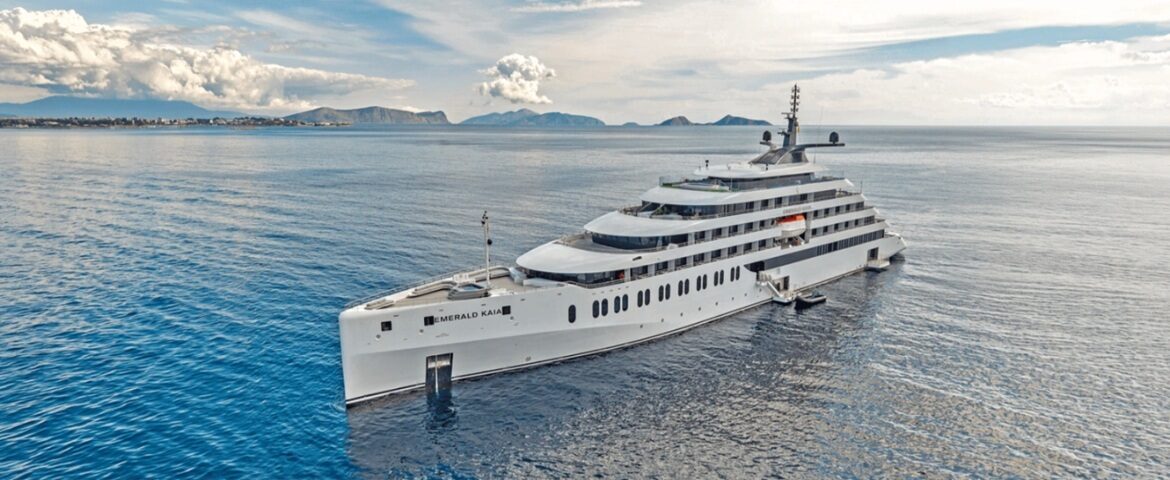

| 5 February | 14 nights | One-way from San Juan to Miami |
450-628-6241
Call us
|
| 5 February | 5 nights | Round-trip from San Juan, Puerto Rico |
450-628-6241
Call us
|
| 18 March | 7 nights | One-way from San Juan to St Johns Antigua |
450-628-6241
Call us
|
| 25 March | 14 nights | Round-trip from St Johns Antigua, Antigua & Barbuda |
450-628-6241
Call us
|
| 24 November | 14 nights | Round-trip from San Juan, Puerto Rico |
450-628-6241
Call us
|
| 24 November | 7 nights | One-way from San Juan to St Johns Antigua |
450-628-6241
Call us
|
| 5 January | 14 nights | Round-trip from San Juan, Puerto Rico |
450-628-6241
Call us
|
| 5 January | 7 nights | One-way from San Juan to St Johns Antigua |
450-628-6241
Call us
|
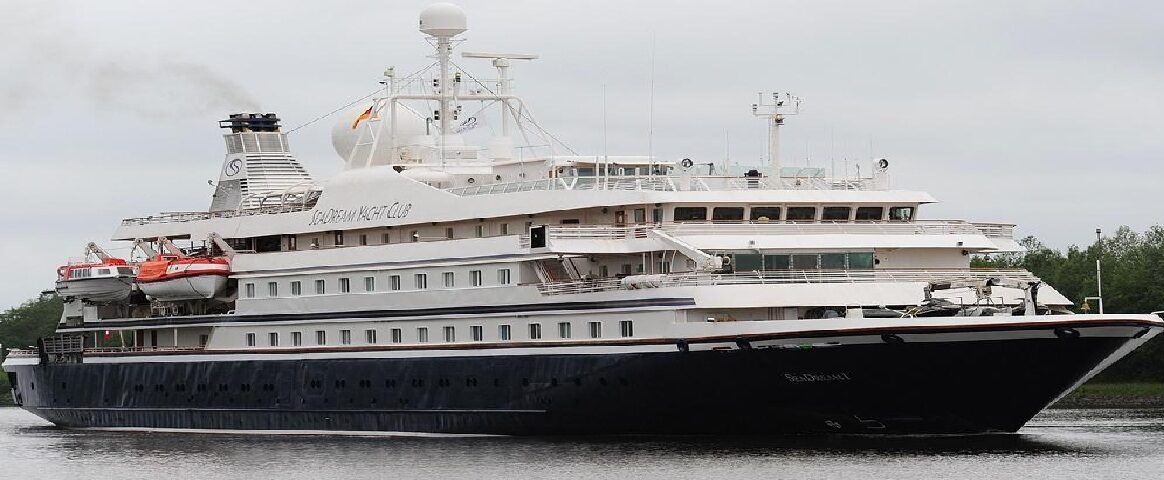

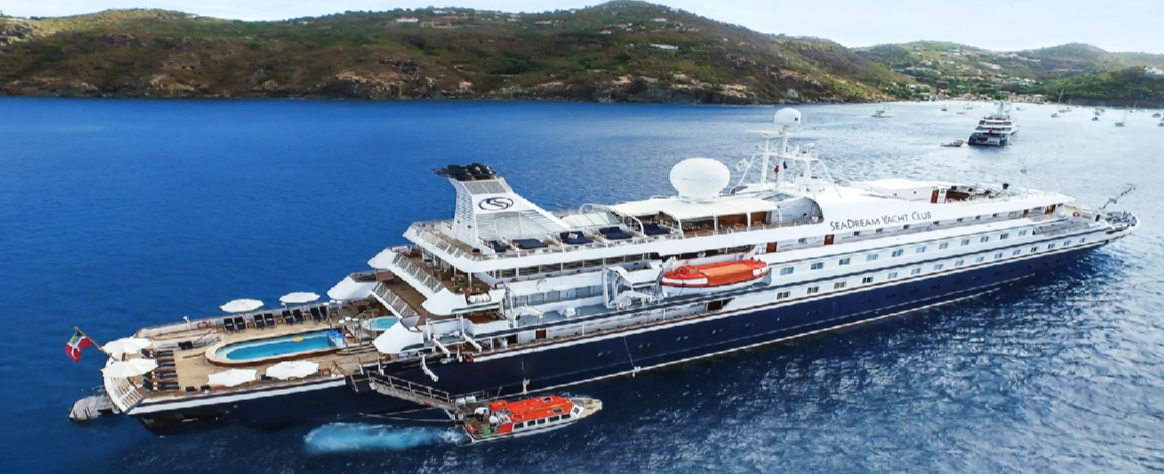

Port of Vieques, Puerto Rico | Cruise Port Guide
Frequently Asked Questions
It doesn't dock: small ships anchor offshore and land passengers by tender, either at Isabel Segunda on the north coast or at Esperanza on the south coast, depending on the line.
Yes. The main town rises around its square, its church and pastel-fronted shops. The short climb to the Fortín Conde de Mirasol is walkable too, and the Punta Mulas lighthouse lies a little further north.
The last fortification Spain built in the New World, completed in the mid-19th century, on the high ground of Isabel Segunda. Its rooms now hold a museum of local history and art that sums up the island's unusual fate.
Because the US Navy occupied both ends of the island for six decades, running live-fire exercises that provoked a long citizens' campaign. Its departure in 2003 turned the former military zone into a national wildlife refuge, the largest in the Caribbean.
Sun Bay, minutes from Esperanza: nearly three kilometres of pale sand fringed with coconut palms, with change rooms, lifeguards and picnic areas. Trails lead to the neighbouring coves of Media Luna and Navío, quieter still.
Only if the ship stays into the evening. Mosquito Bay is the brightest bioluminescent bay in the world, recognized by Guinness World Records, but the effect appears only after dark, by kayak and with a licensed guide.
Yes, semi-wild horses cross the roads unhurried and sometimes graze among the palms at Sun Bay. Nobody honks: they have always had right of way. It's the image passengers bring home most often.
By local van taxis. The island is 33 kilometres long, and Sun Bay lies about 1 km from Esperanza but 8 km from Isabel Segunda. Secondary roads, particularly those to the coves of La Chiva and Caracas, are sometimes unpaved.
The US dollar, Spanish and English. Bring cash: the kitchens along the Esperanza malecón and the van taxis take it more readily than cards.
The opposite of an urban call: no traffic lights, no shopping centre, no rows of umbrellas. Silence, free-roaming horses, undeveloped shorelines. Anyone looking for shops and organized attractions has picked the wrong island.


