Cernavoda Romania
Romania

48 Cruises availables At departure or passage at this port

CroisiEurope (48 Cruises)

Image not available

MS L'Europe

178 Passengers
Visit the ship's page
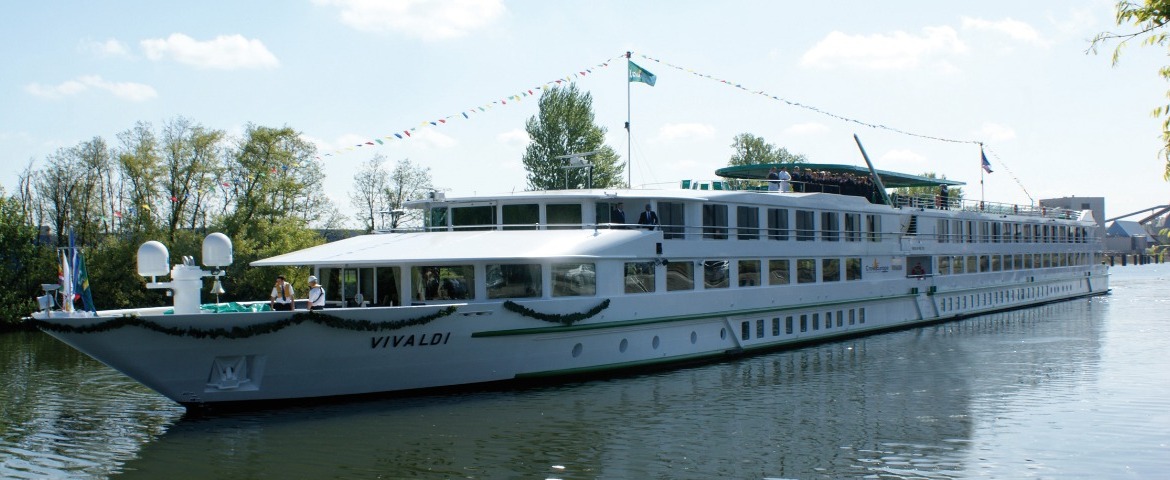
Cruise CE Croisieurope MS Vivaldi ship

MS Vivaldi

172 Passengers
Visit the ship's page

On the Danube's right bank, at the exact point where the river stops being Europe's highway and yields to a canal cutting straight toward the Black Sea, clings the small Romanian town of Cernavoda. River ships heading downstream from Budapest or Bucharest make a strategic stop here, the last stage before the locks that lead to the coast.

From Axiopolis to the Modern Locks

The site has been inhabited since antiquity: in the 4th century BCE, the Greeks founded the trading post of Axiopolis here to trade with the Dacians of the interior. The current name, of Slavic origin, evokes the great river's dark waters. Of this long history, the modern city retains above all its role as a crossroads: here opens the Danube–Black Sea Canal, inaugurated in 1984, which spares ships the long detour through the delta. Begun in the 1950s by political prisoners under appalling conditions, then completed decades later, it remains one of the country's most significant and memory-laden feats of engineering.

The Anghel Saligny Bridge

Downstream from the town, the eye catches a lacework of steel spanning the river: the railway bridge designed by engineer Anghel Saligny, completed in 1895, a technical feat that at the time ranked among the longest bridges in Europe with its kilometres of viaducts. The bronze soldiers guarding its piers are clearly visible from the deck of a ship. The structure, now paired with a modern bridge, remains Cernavoda's emblematic landmark and one of the great symbols of Romanian engineering.

Between Hillsides and Riverbank

The town itself is best explored unhurried: a quiet waterfront, an Orthodox church, small sloping streets where life carries on far from the tourist crowds. The limestone hillsides nearby are home to well-regarded vineyards, particularly known for their chardonnay-style whites, which some cruises feature during tastings at local producers. It's a chance to experience a rural Romania, generous and unpretentious, that doesn't put on a show. Local guides are happy to share stories of life here, between fishing, the railway, and the nearby power plant, with a candour worth more than many a lecture.

Constanța Within Excursion Reach

Most cruise lines use the stop to offer an excursion to Constanța, the great port city on the coast, about an hour's drive away. There, visitors discover the remains of ancient Tomis, where the poet Ovid lived out his exile, the silhouette of the Art Nouveau casino perched on the breakwater, the seaside promenade, and the streets of the old town. The contrast between Cernavoda's Danubian calm and the seaside bustle of the coast gives the day an unexpected dimension, and the late-afternoon return leaves time for one last look at the riverbanks before departure.

What to SeeLocationMain Interest
Entrance to the Danube–Black Sea CanalRight by the dockMajor engineering feat and national memory
Anghel Saligny BridgeDownstream, visible from the shipRailway masterpiece from 1895
Nearby vineyardsShort driveTastings of regional white wines
Constanța1-hour driveTomis, casino, seafront

The Quiet Charm of a Crossroads

Cernavoda should be taken for what it is: not a destination in itself, but a threshold, a turning point between river Europe and the sea beyond. Danube cruise regulars appreciate precisely these unpolished stops, where one comes to understand how a country truly lives off its river.

As the ship enters the canal and the banks draw in close, passengers gauge the distance travelled since the capitals of Central Europe. The Black Sea is now only a few locks away, and this stop named for dark waters will have been, quietly, the hinge of the entire journey.

Frequently Asked Questions

On the right bank of the Danube, at the exact point where the Danube–Black Sea canal begins. It is a strategic stop: the last one before the locks leading to the coast.
A waterway opened in 1984 that spares ships the long detour through the delta. Begun in the 1950s by political prisoners in appalling conditions and completed decades later, it remains one of the country's largest and most memory-laden works.
The railway bridge completed in 1895 downstream of the town, a lacework of steel that was then among the longest bridges in Europe with its kilometres of viaducts. The bronze soldiers guarding its piers are easy to see from the boat's deck.
Not a great deal, and it's worth knowing: a quiet waterfront, an Orthodox church, small sloping streets where life goes on far from the crowds. Cernavodă is a threshold rather than a destination, the tipping point between river Europe and the sea horizon.
Yes, most lines offer the excursion: the large coastal port city lies about an hour away by road. You'll see the remains of ancient Tomis, the Art Nouveau casino set on the seawall and the streets of the old town.
Yes, the limestone slopes nearby carry well-regarded vineyards, notably for chardonnay-style whites. Some cruises arrange stops with local producers.
The Greeks founded the trading post of Axiopolis here in the 4th century BC, to trade with the Dacians of the interior. The present name, of Slavic origin, refers to the dark waters of the great river.
The Romanian leu, not the euro. In a small town like this, carry cash: neighbourhood shops and wine producers take it more readily than cards.
Romanian. English is understood by guides and younger people, less so in the town's shops. Local guides talk freely about life here, between fishing, the railway and the nearby power station, with a plain-spokenness worth more than many lectures.
No, and it's fair to say so. This is an unvarnished stop where you understand how a country really lives from its river. Those wanting heritage should take the Constanța excursion; everyone else will enjoy the calm and the passage into the canal.