Tulcea Romania
Romania

14 Cruises availables At departure or passage at this port

Riviera Travel (14 Cruises)

Tulcea, Romania | Cruise Port Guide

The Danube is measured in miles here: Tulcea stands at mile 38, the river's last major meeting point before it scatters into branches, canals and reed beds in one of the best-preserved deltas in Europe. The city spreads out like an amphitheatre on its hills, facing a stretch of water where speedboats, ferries and fishing boats cross paths. From the approach, you sense that everything in this region goes by water.

The quays, the city's centre of gravity

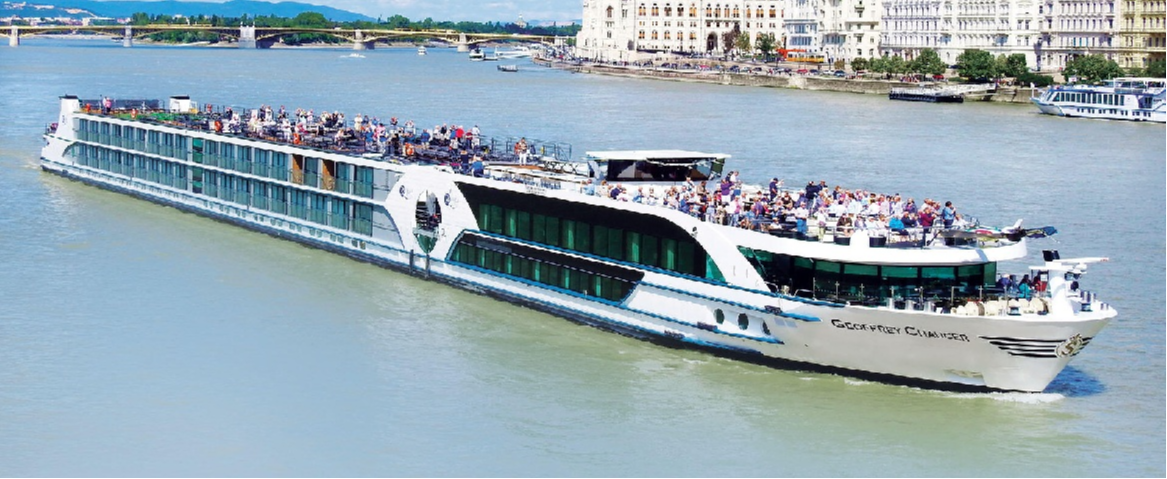
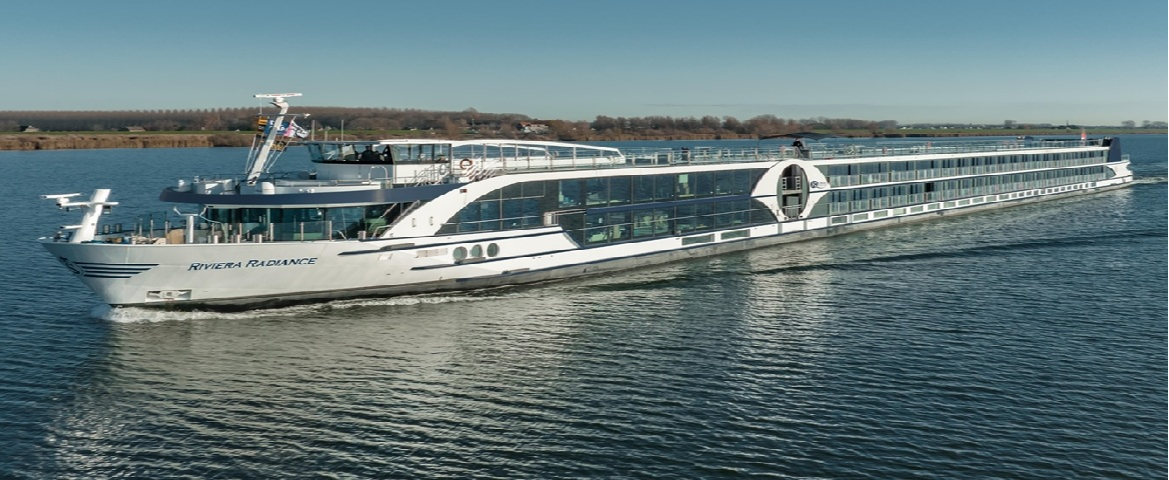
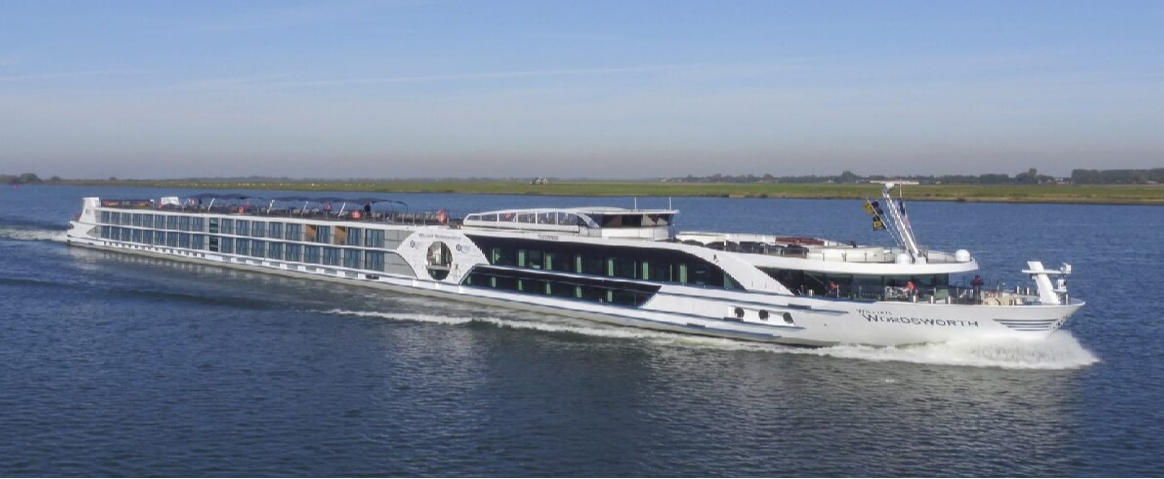
River ships moor along the waterfront, right in the centre. The riverside promenade unfolds its terraces, its anglers and its landing stages from which excursions set off toward the river's branches. On the terraces, the menu puts river fish front and centre, served in soup or grilled, with the obligatory polenta. Behind, the shopping streets climb gently, lined with façades that reveal the communities that made the city: Romanian, Lipovan, Turkish, Greek. Discreet minarets and Orthodox bell towers share the sky, the legacy of a crossroads where trade has always been carried on in several languages. A market, a few churches, unpretentious cafés; the whole can be explored on foot, with no map and no constraints.

The monument on the hill

At the top of Hora Tepe hill, the Independence Monument towers over the rooftops. The climb, a reasonable one, is rewarded with a panorama that explains everything: the crescent-shaped city, the widening river, and in the distance that endless green line where the kingdom of reeds begins. This is where ancient Aegyssus stood, a trading post founded more than two and a half millennia ago: sailors have always known how to recognize a good lookout. On the way back down, the history and archaeology museum continues the story of the ancient site, with amphorae and coins to show for it.

The delta in miniature

Before venturing onto the canals, the museum centre devoted to the delta provides valuable context. Its aquarium, the largest in Romania, presents sturgeon, carp and estuary fish in displays that recreate the murky, slow waters of the great marsh. The natural history rooms detail birds, floating plants and the ways of life of villages on stilts. An hour is enough, and your eye will be sharper for what comes next.

The real reason for the call

For what comes next takes place by rowboat or speedboat, on the channels of the UNESCO-listed biosphere reserve. Past the outskirts, the engine slows, the willows close in, and the delta unveils its inventory: water lilies in whole carpets, kingfishers in blue flashes, colonies of white pelicans taking off in heavy squadrons before finding their grace aloft. About 300 bird species frequent these waters; depending on the season, cormorants, egrets and swans by the hundreds join them. The excursions offered to cruise passengers last two to four hours: enough to understand why people here speak of this land of water as a world apart, with its hamlets reachable only by boat. The pilots know every bend and know when to cut the engine, when a colony lets itself be approached.

Port of call at a glance

SiteDistance from the dockAccess
Promenade and centreOn siteOn foot
Independence MonumentAbout 1.5 km, uphillOn foot or by taxi
Delta channelsDeparture from the landing stagesSpeedboat or rowboat, on excursion

On the way back, when the speedboat returns to the quays, the evening light makes the water shimmer all the way to the hills. The pelicans return to their sandbanks, the terraces light up one by one. Tulcea is not a destination you tick off a list: it is a gateway, and what opens up behind it, this labyrinth of fresh water filled with wings and silence, makes you want to come back with more time to spare.

Frequently Asked Questions

Right at the quays along the town-centre promenade. You step ashore in the middle of things: the promenade, the terraces and the excursion jetties are all at the foot of the gangway.
Not for the centre, which is right there. The Independence Monument, about 1.5 km away and uphill, is walkable if you do not mind the climb; otherwise a taxi settles it in a few minutes.
Take a boat trip into the delta channels — that is the real reason for the call. If time is short, allow an hour for the delta museum and its aquarium, then walk the quayside promenade.
Because this is where the boats leave for the UNESCO biosphere reserve. The town itself is modest; what justifies the call is the freshwater labyrinth that begins a few minutes by engine from the quays.
Yes, on a channel excursion. The delta hosts around 300 bird species, including colonies of white pelicans, kingfishers and herons. From the town quays sightings are occasional — you need to get out on the water.
It is worth the hour, especially before a boat trip. Its aquarium is the largest in Romania — sturgeon, carp and estuary fish — and the natural history rooms explain the birds, the floating plants and the stilt villages.
Yes, mainly for the view. Set on the hill about 1.5 km from the quays, it looks out over the town, the Danube and the entrance to the delta. The climb is short but real: in strong heat, take a taxi.
The Romanian leu. Cards work in hotels, town-centre restaurants and shops, but keep cash for excursion boats, markets and small businesses. ATMs are available downtown.
Romanian. English gets by well in river tourism and delta excursions; French is less common. Excursion guides generally work in English.
May through September. May and June show the delta at its best: nesting season, dense greenery and comfortable temperatures. July and August are hot, and delta mosquitoes wake up late in the day — bring repellent for boat trips.