Ross Island Antarctica Scott Base NZ, McMurdo Station USA
Antarctica

Ross Island, Antarctica | Cruise Port Guide

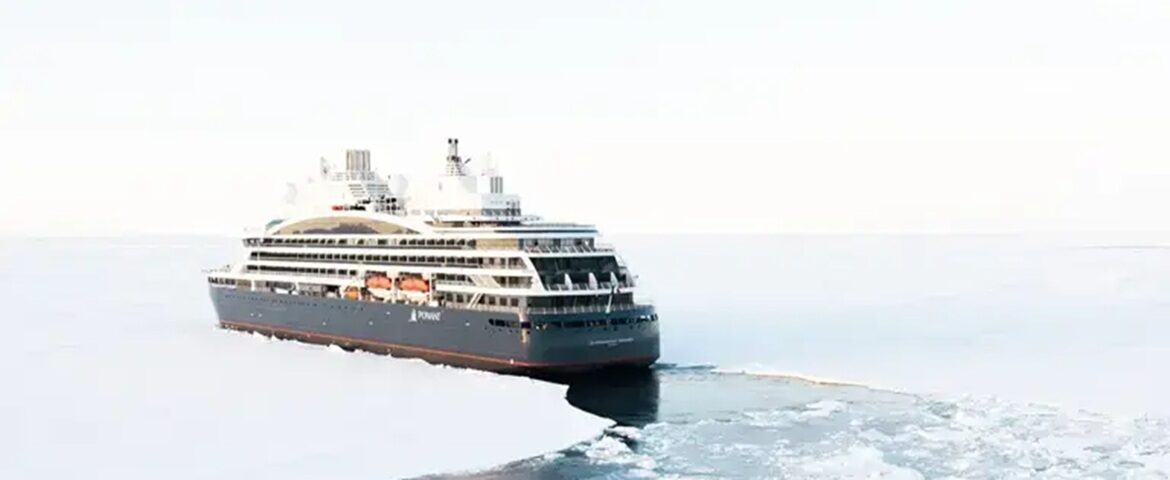
There is a place where ships stop being means of transportation and become explorers again: the Ross Sea. After days of sailing in the Southern Ocean, the silhouette of Ross Island finally takes shape, dominated by Mount Erebus, the southernmost active volcano on the planet, whose plume rises 3,794 metres above the ice. No pier awaits you here. Only the sea ice, the wind and the most heroic story in polar exploration.

A port call like no other

The few expedition ships that reach these latitudes advance according to the whims of the sea ice. When conditions allow, they approach the fast ice along the coast and launch their Zodiacs for short shuttles to the landing sites. Nothing is ever guaranteed: that's the absolute rule in these waters, and it's part of the adventure. Every successful landing is experienced as a privilege.

The huts of the Heroic Age

Ross Island preserves the huts of the expeditions that tried to conquer the South Pole in the early 20th century. At Cape Evans stands the hut of the Terra Nova expedition, from which Robert Falcon Scott set out in 1911 on his final journey; inside, preserved by the cold, the crates of provisions, laboratory flasks and bunks seem to be waiting for the men to return. At Cape Royds, Ernest Shackleton's hut recalls the Nimrod expedition of 1907–1909, set a few kilometres from a colony of Adélie penguins. Near Hut Point, finally, stands the Discovery hut, from Scott's very first mission. Entering these places, in small groups and under strict supervision, stirs an emotion few sites in the world can match.

Science at the ends of the earth

The island is also home to the present of exploration: McMurdo, the largest Antarctic base, operated by the United States, and its New Zealand neighbour, Scott Base. Depending on permits and programs, some voyages offer a glimpse of these polar villages where researchers and technicians live. Their presence is a reminder that this continent, governed by an international treaty, remains devoted to science and peace.

Life in the cold

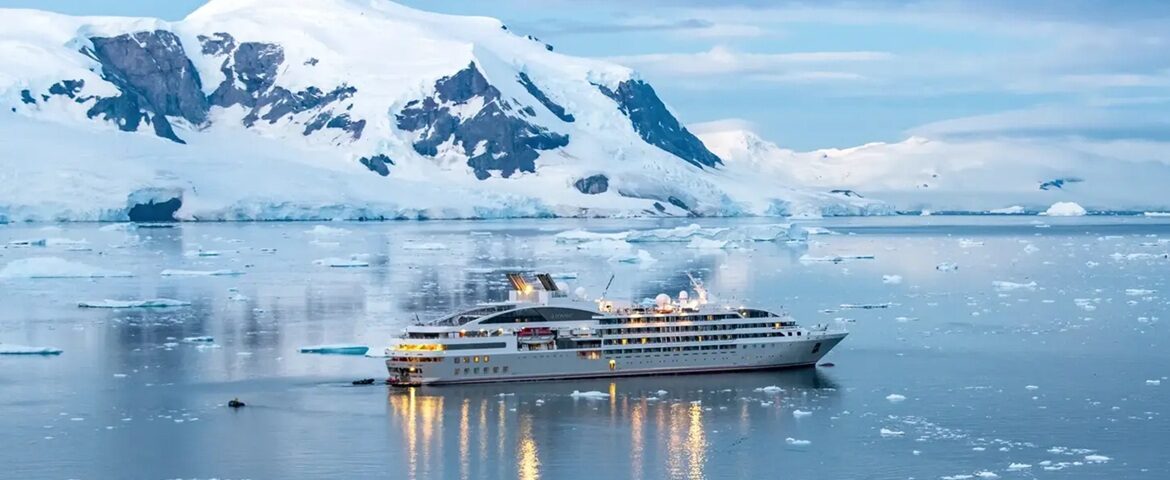
These waters teem with life during the austral summer. Adélie and emperor penguins cross paths offshore with orcas and Weddell seals; snow petrels circle the masts. On the sea ice, the silence is never total: the ice creaks, breathes, shifts. The landscapes — the ice cliffs of the Ross Ice Shelf, the smoking slopes of Erebus, the Transantarctic Mountains on the horizon — impose a scale the camera struggles to contain.

Preparing well

  • Access limited to expedition ships with ice-strengthened hulls; Zodiac landings depending on ice and weather.
  • Visits to the historic huts are strictly supervised and limited in number, under the aegis of conservation organizations.
  • Below-freezing temperatures even at the height of the austral summer: full polar gear provided or required.
  • Long voyages from New Zealand: a trip for high-latitude enthusiasts.

What remains after the return

You don't come back from a port call like this with ordinary memories. You come back with the crunch of ice under your boots, the golden half-light of a century-old hut, the smoke of Erebus in an endless sky. Those lucky enough to set foot here speak less of a trip than of a passage — as if, for a few hours, they had walked along the very edges of the inhabited world.

Frequently Asked Questions

In the Ross Sea, on the Pacific side of Antarctica, days of sailing from New Zealand. It is dominated by Mount Erebus, the southernmost active volcano on the planet, whose summit reaches 3,794 metres.
None. Expedition ships approach the fast ice when conditions allow and put zodiacs in the water for short runs to the landing sites. Nothing is ever guaranteed.
Three refuges from the heroic age : the Terra Nova hut at Cape Evans, from which Robert Falcon Scott set out in 1911 on his last journey; Ernest Shackleton's hut at Cape Royds, from the Nimrod expedition of 1907-1909; and the Discovery hut near Hut Point, from Scott's very first mission.
Yes, but in small groups and under strict supervision. Visits are capped and managed by conservation trusts. Inside, preserved by the cold, the provision crates, laboratory bottles and bunks look as if they are waiting for the men to return.
The largest Antarctic base, operated by the United States, set on Ross Island alongside New Zealand's Scott Base. Depending on permits and programmes, some voyages allow a glimpse of these polar villages.
Adélie and emperor penguins, orcas and Weddell seals offshore, snow petrels circling the masts. These waters teem with life during the austral summer.
Access is limited to expedition ships with strengthened hulls, able to work through shifting sea ice. Landings are by zodiac, subject to ice and weather.
Below freezing even at the height of the austral summer. Full polar kit is supplied or required by the operators : this is not a call where you improvise your clothing.
Expect long passages from New Zealand. It is a trip for high latitude enthusiasts, not a stop you add to a standard itinerary.
The ice cliffs of the Ross Ice Shelf, the smoking slopes of Erebus and the Transantarctic Mountains on the horizon. On the sea ice the silence is never complete : the ice cracks, breathes and shifts.