Aldabra Atoll Seychelles

1 Cruises availables At departure or passage at this port
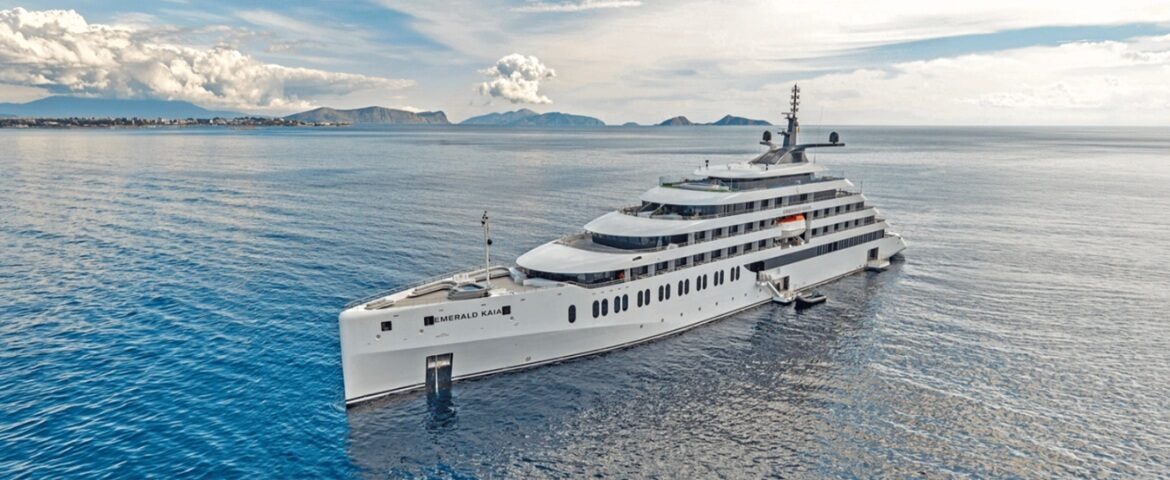
Long before arrival, the Indian Ocean stretches without a single landmark, then a green and white streak settles on the horizon: Aldabra, the world's largest raised coral atoll, so isolated that no road, airport or village has ever reached it. Designated a UNESCO World Heritage site, it allows approach only to a handful of duly authorised expedition ships. Climbing into the zodiac that approaches it is to enter one of the planet's last places where nature decides alone.

A Sanctuary Under Strict Protection

Aldabra falls under the Seychelles Islands Foundation, which maintains a small research station on Picard Island and releases access permits sparingly. No tourist infrastructure: landings are made by zodiac, when tide and swell permit, on marked trails walked in company with guards and naturalists from the ship. The day organises itself to the rhythm of boat rotations, and each group deliberately stays restricted: the atoll receives fewer visitors in a year than many sites see in an hour. This rarity is not a constraint; it is the very condition of what you come to see. The atoll, moreover, has come from far: in the 1960s, a military base project briefly threatened these shores, before the international scientific community obtained its abandonment. Research gained a natural laboratory; travellers gained an intact world.

The Realm of Tortoises

Aldabra harbours the world's largest population of giant tortoises—estimated at more than one hundred thousand individuals, more than the Galápagos. They are everywhere: in file on the trails, drowsing in the rare shade of shrubs, motionless at the edge of ponds. In the heat of the day, each defends its patch of shade with a seriousness that brings a smile. Observing them live at their pace, without enclosures or barriers, produces a feeling few places still offer: that of being invited, not the organiser. Guards remind you of the place's simple rules: stay on trails, keep your distance, take nothing, leave nothing.

Wings, Claws and Shells

In the lagoon's mangroves nest colonies of frigatebirds with scarlet pouches and red-footed boobies. Over fossil coral trots the white-throated rail, the last flightless bird of the entire Indian Ocean, vanished everywhere else. The coconut crab, the planet's largest terrestrial crustacean, scales trunks in its gait from another age. Each guided walk becomes a catalogue of wonders that naturalists describe tirelessly.

The Passes and the Great Breath of Tides

Twice a day, the ocean fills then empties a lagoon so vast it could contain an entire island. In the passes, the current carries boats amid sea turtles, rays and harmless reef sharks; in mask, snorkel and fins, when conditions allow, you drift above corals as above a garden crossed with reflections. The limestone mushrooms sculpted by water, crowned with verdure, complete a setting that belongs only to Aldabra. From the zodiac, you also follow beaches where green turtles come to nest, and mudflats where herons and curlews bustle; each outing reserves its encounter.

You leave the atoll reluctantly, often in silence, while the green line dissolves in the glare of open water. There remains no shop or monument to recount—only century-old giants, fearless birds and the regular breath of tides in the passes. It may be the purest definition of travel: to have been admitted, for a few hours, into a world that needs us not at all.

Frequently Asked Questions

By zodiac, when tide and swell allow. There is no tourist infrastructure and no pier: landings follow marked trails, accompanied by reserve rangers and the ship's naturalists.
No. The atoll falls under the Seychelles Islands Foundation, which issues access permits sparingly to a handful of duly authorized expedition ships. Groups are kept deliberately small.
It is the largest raised coral atoll in the world, so isolated that no road, airport or village has ever reached it. That isolation has made it one of the last places on the planet where nature decides alone.
More than a hundred thousand, the largest population of giant tortoises in the world, more than the Galapagos. They are everywhere: filing along the trails, dozing in the scarce shade of the shrubs, motionless at the edge of pools.
Stay on the trails, keep your distance, take nothing, leave nothing. The rangers repeat them at every landing. The atoll receives fewer visitors in a year than many sites see in an hour, and that rarity is the condition of what you come to see.
In the lagoon mangroves nest colonies of frigatebirds with scarlet pouches and red-footed boobies. On the fossil coral scurries the white-throated rail, the last flightless bird in the entire Indian Ocean.
Yes, a small station on Picard Island, run by the Seychelles Islands Foundation. Its rangers accompany visitors, and the atoll owes its daily protection to them.
Yes. In the 1960s a military base project briefly threatened these shores, before the international scientific community secured its abandonment. Research gained a natural laboratory; travellers, an intact world.
Rarely. Zodiac landings, equatorial heat, sharp coral trails and strict discipline: this is not a beach call. Nature-obsessed teenagers get plenty out of it, young children much less.
Closed shoes with sturdy soles for the fossil coral, a hat, mineral sunscreen, plenty of water and binoculars. There is nothing to buy on site: everything leaves the ship with you.