Alphonse Islands Seychelles Alphonse-Bijoutier-St Francois

1 Cruises availables At departure or passage at this port
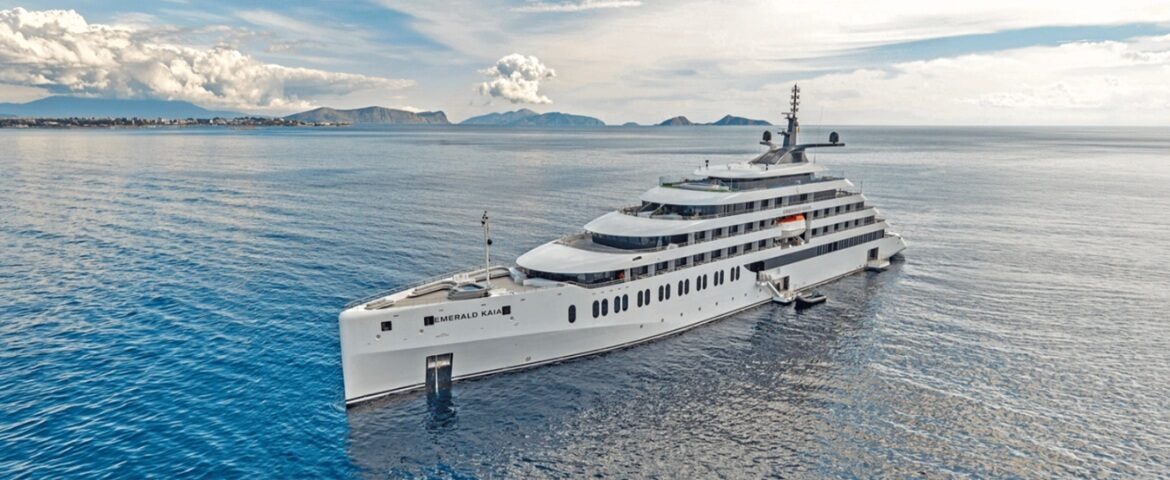
The terns arrive first, in white squadrons that skim the shrouds. Then the island rises on the horizon: a triangle of coconut palms set on a base of clear coral, about four hundred kilometres south-west of Mahé, in the string of the Amirantes. Alphonse, and its neighbours Bijoutier and Saint-François, rank among the Indian Ocean's most confidential ports of call: only a handful of expedition ships and passing sailing vessels anchor in these waters where nature holds all the leading roles.

An Old Plantation, Now a Sanctuary

Like most of the remote Seychelles islands, Alphonse lived long from copra: the regular rows of coconut palms, the old central avenue and a few low buildings keep trace of it. The plantation closed, replaced by a quiet hamlet and conservation programmes that follow birds, reefs and sea turtles—the females of hawksbill and green turtles still come to nest on the beaches, sometimes in broad daylight for the former, a spectacle the guides observe from respectful distance. You walk the island on foot or by bicycle in just an hour, between deserted beaches, casuarina trees and busy hermit crabs—a setting of disarming simplicity, where the day's main congestion pits two hermit crabs against one another over the same shell.

Saint-François Lagoon: Cathedral of Sand and Water

Across a channel, the Saint-François atoll deploys an immense lagoon where tides make expanses of white sand breathe. At low tide, entire banks emerge, walked by wading birds; at high tide, rays, juvenile reef sharks and bonefish move up to hunt in just centimetres of water. Fly-fishing enthusiasts from across the world hold these flats for one of the finest territories of their discipline—practiced here with systematic catch-and-release. The tiny islet of Bijoutier, a handful of coconut palms ringed with sand, completes the picture.

Beneath the Surface

The drop surrounding Alphonse plunges toward the deep blue in water of constant clarity. Mask in place, you encounter hawksbill turtles grazing the corals, schools of trevally, parrotfish and, depending on season, manta rays patrolling the reef edge. Entries are made from the ship's boats, at sites chosen according to current; naturalists accompany each outing and name what the fins fly over. Between swims, a walk on the flat at low tide reveals another world in miniature: brittle stars, shells, algae gardens where striped herons hunt.

The Atoll's Winged Inhabitants

Without introduced predators over much of the archipelago, seabirds thrive: sooty and white terns, brown noddies, marauding frigatebirds, red-footed boobies nesting in the bushes of the shore. At dusk, their comings and goings above the lagoon compose an uninterrupted ballet you follow from the beach, feet in water warm as a bath.

A Port of Call Earned

No dock can receive the ships: landings are made by zodiac, according to tide and ocean's mood, and the programme adapts to the day's conditions. It is the rule of remote islands, and their privilege: nothing there is ever quite guaranteed, and everything therefore more precious.

At departure, when the green triangle shrinks in the wake, everyone carries their share of treasure: the shadow of a ray on the lagoon's sand, the cry of terns in the coconut palms, the perfect curve of Bijoutier seen from the deck. The Amirantes appear on almost no travel map—it is exactly what makes them unforgettable in the eyes of those lucky enough to have passed through.

Frequently Asked Questions

About four hundred kilometres southwest of Mahe, in the Amirantes chain. Alphonse and its neighbours Bijoutier and Saint Francois are among the most confidential calls in the Indian Ocean.
By the ship's own boats: only a few expedition vessels and passing sailing yachts anchor in these waters. There is no cruise pier, and nature holds all the leading roles.
About an hour on foot or by bike, between deserted beaches, casuarina trees and busy hermit crabs. The island is a triangle of coconut palms set on a base of pale coral, disarmingly simple.
Like most of the outer Seychelles, it long lived off copra: the regular rows of coconut palms, the old central avenue and a few low buildings still carry the trace. The plantation closed, replaced by a discreet hamlet and conservation programs.
Yes, in season. Hawksbill and green females still come to nest on the beaches, sometimes in broad daylight for the former. Guides let you watch from a respectful distance, with no lights and no approach.
A vast lagoon across a channel, where the tides make white sand flats breathe. At low tide whole banks emerge, worked over by waders; on the rising tide rays, juvenile reef sharks and bonefish move up to hunt in a few centimetres of water.
Because the Saint Francois flats rank among the world's premier grounds for the discipline. Fishing here is strictly catch and release: nothing is taken.
Excellent. The drop-off around the island falls away into the blue through consistently clear water: hawksbill turtles grazing the coral, schools of trevally, parrotfish and, in season, manta rays patrolling the reef.
A handful of coconut palms ringed with sand, tiny, completing the trio with Alphonse and Saint Francois. Visits depend on conditions of the day and permits in force.
Mask and snorkel if the ship does not lend them, water shoes for the coral flats, mineral sunscreen, a hat and plenty of water. There are no shops: everything leaves the ship with you.