Curieuse Island Seychelles

20 Cruises availables At departure or passage at this port

Emerald Waterways (20 Cruises)

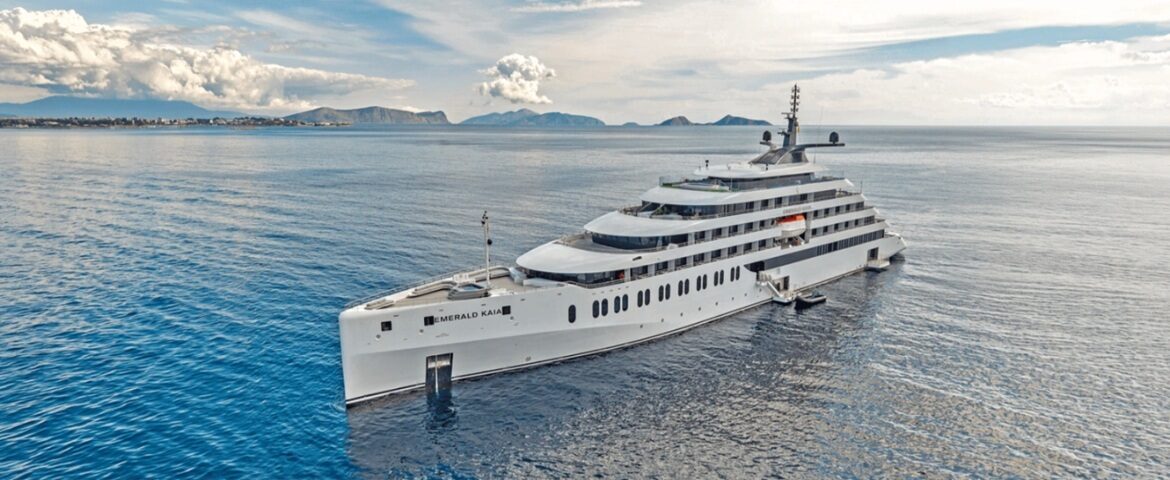
Emerald Kaia.

Emerald Kaia

Visit the ship's page

Curieuse Island, Seychelles | Cruise Port Guide

She crosses the trail without haste, indifferent to visitors who step aside: a giant Aldabra tortoise, shell gleaming and neck stretched toward a low leaf. On Curieuse, the scene repeats at every turn. This granite island with hills covered in characteristic red earth, separated from Praslin by a stretch of sea, forms with its waters a marine national park where expedition ships and excursions call for an immersion in the Seychelles of before the hotels.

Baie Laraie: The Kingdom of Turtles

Landing is generally at Baie Laraie, near the park guards' station. Around the buildings, dozens of giant tortoises move freely: the island shelters about 300, descended from individuals brought from Aldabra in the 1980s as part of a breeding and conservation programme. The guards present the enclosure of young tortoises, tiny replicas of their century-old elders, and explain how each animal is tracked. Approaching these placid giants, hearing their slow breath, remains one of the highlights of a cruise through the archipelago.

The Mangrove Trail

From Baie Laraie, a prepared trail on wooden walkways crosses the island's interior to Anse St José, on the far coast. Budget about 40 minutes of easy walking through surprisingly varied landscape: granite blocks sculpted by erosion, mangroves where aerial roots emerge from mud at low tide, hills where the coco de mer grows. Curieuse is indeed, with Praslin, the only place on Earth where this legendary palm with the double nut develops naturally. Fiddler crabs wave their outsized claw as walkers pass, and the most attentive spot, in pools left by tide, juvenile fish and shells that profit from the shelter of the roots.

The Doctor's House and the Memory of Lepers

At Anse St José, an elegant restored Creole villa recalls a little-known chapter: Curieuse served as a leper colony for more than a century, and the house sheltered the resident doctor in the 1870s. Transformed into an interpretation centre, it tells the daily life of the sick, whose dwelling ruins can still be glimpsed in the vegetation. You measure, beneath the veranda facing the beach, the contrast between the place's beauty and the isolation of those who lived there.

The Coco de Mer: Seed of Legends

Impossible to leave the island without stopping before a coco de mer. Its double nut, the world's largest seed, fed for centuries the legends of sailors who found it floating offshore without knowing its origin. Park guards show the male and female palms, explain the extreme slowness of growth—several decades before the first fruits—and remind that each nut is numbered and protected. Seeing these palms in their valley of origin, not in a pot in a botanical garden, gives the visit particular value.

The Port-Call Practically

ElementDetail
StatusNational park, uninhabited island save for guards
LandingBy tender, on the main beach
Main TrailBaie Laraie – Anse St José, about 40 minutes
To SeeGiant tortoises, coco de mer, mangrove, doctor's house
To PlanClosed shoes, water, hat; entry fee often included in excursion

Last Look from the Tender

When the boat moves away, Curieuse's russet hills stand out against the channel's blue, and you can still distinguish, squinting, a domed silhouette advancing slowly into shade. This island tells both nature's resilience and the forgotten lives of an island leper colony. Few port-calls offer so much to reflect on in half a day's tranquil walk.

Frequently Asked Questions

At Baie Laraie, next to the national park rangers' station. Ships anchor offshore and passengers transfer by Zodiac; there is no pier for large vessels.
Its free-roaming giant tortoises: about 300 Aldabra tortoises live on the island, descended from animals brought here in the 1980s for a breeding and conservation programme. You meet them on the trails, with no fence in between.
About 40 minutes of easy walking. A boardwalk trail links Baie Laraie to Anse St José through mangroves, sculpted granite boulders and red-earth hills.
Yes. Along with Praslin, Curieuse is the only place on earth where the coco de mer grows naturally. Park rangers point out male and female palms and explain why every nut is numbered and protected.
The resident doctor's house from the 1870s, a restored Creole villa at Anse St José, now an interpretation centre. Ruins of the patients' dwellings are still visible in the undergrowth: the island served as a leper colony for over a century.
Yes. The trail is flat and boardwalked, and meeting giant tortoises up close is unforgettable. Bring water and a hat, as shade is patchy in places.
Yes, the surrounding waters form a marine national park and excursions usually include a swim. Landings are wet, though, so bring sandals you can walk into the sea with.
Yes, a national park entrance fee applies, normally included in the excursion. Check with your travel advisor or the ship's shore excursion desk before going ashore.
April to May and October to November, between the two monsoon regimes: calmer seas, moderate wind, steady heat. The Seychelles work year-round, but these shoulder months give the best landing conditions.
The Seychellois rupee; cards work in hotels and larger businesses, less so at small stalls. Seychellois Creole, French and English are all spoken, and park rangers work in all three.