Farquhar Atoll Seychelles

1 Cruises availables At departure or passage at this port
Farquhar Atoll | Cruise Port Guide

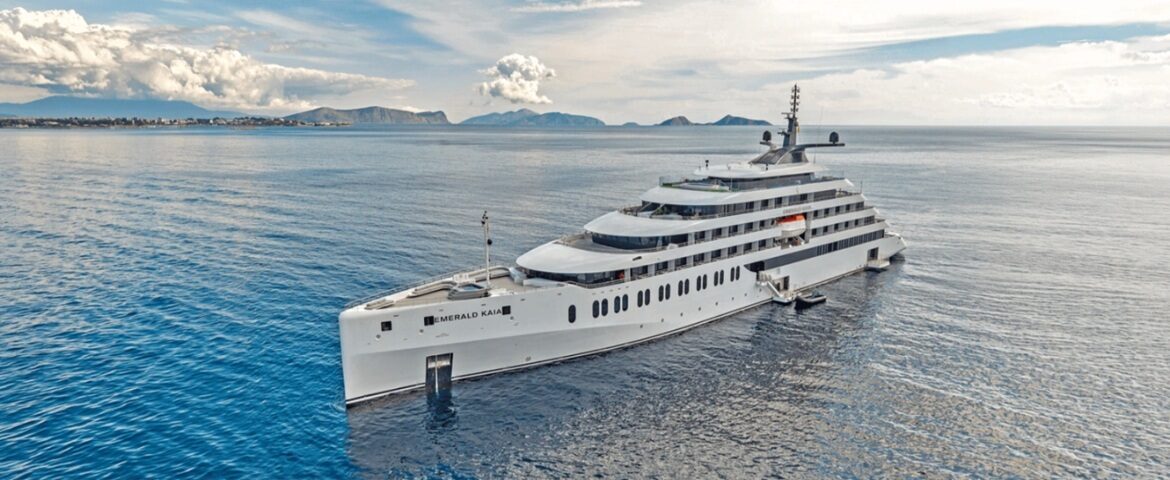
On a map of the Seychelles, you have to look all the way at the bottom to find Farquhar, more than 700 kilometres southwest of Mahé, almost halfway to Madagascar. No town, no monument, no road: just a ring of coral islets around a lagoon shaded in almost unreal tones of blue. This is an expedition stop in the strictest sense, reserved for small ships, and one of the most otherworldly in the Indian Ocean.

A Zodiac Landing

The ship anchors off the reef, and everything is done by inflatable boat. Depending on the swell and the tide, the expedition team either chooses a landing beach or opts instead to explore the lagoon by water. This element of unpredictability has to be accepted: here, the weather dictates the program, and that's precisely what makes the visit so valuable. Bring shoes that can go in the water and serious sun protection.

Unexpected Dunes

The first surprise on approach: white sand dunes, sculpted by the trade winds, rise some ten metres above coconut palms bent low by the wind. The contrast is striking at these latitudes, where flat islets are the norm. From their crest, the view takes in the whole lagoon, its turquoise shallows, dark channels, and the white foam of the barrier reef in the distance. Photographers can easily spend a full hour up there.

Wildlife Without Fear

Farquhar belongs to the Seychelles' Outer Islands, too remote to have ever been permanently settled, aside from a small fishing station. Wildlife rules here without rival. Green and hawksbill turtles come ashore to lay their eggs; sooty terns and crested terns nest in noisy colonies on certain islets; and the coconut crab, the largest land arthropod in the world, can be found in the shade of the coconut groves. The onboard naturalist guides help spot the nests and remind visitors of the distances to keep.

Beneath the Surface

When conditions allow, a snorkelling outing rounds out the day. The lagoon's coral flats shelter parrotfish, stingrays, and giant clams with fluorescent mantles; the passes draw jacks and harmless reef sharks. The surrounding waters rank among the most fish-rich in the Seychelles, which has made the atoll a world-class destination for fly fishing, practised here under strict regulation.

The atoll has, in fact, recently proven its resilience. In April 2016, Cyclone Fantala, one of the most powerful ever recorded in the Indian Ocean, passed directly over the site and flattened both the vegetation and the buildings of the fishing station. Ten years later, the coconut groves have grown back, seabirds have returned to nest, and the turtles never stopped laying their eggs. Expedition guides are happy to use this episode to illustrate just how resilient a coral ecosystem can be when left undisturbed. The small staff of the Islands Development Company, which manages the site from Mahé, remains the only permanent human presence.

What to Bring

  • Wet landing: expect to step out of the Zodiac with water up to your calves.
  • No shops or services whatsoever: everything comes back to the ship with you, trash included.
  • Hat, sunglasses, and light long clothing: the sun hits hard, with no shade outside the coconut groves.
  • Listen to the onboard briefing: guidelines change depending on current nesting activity.

A stop at Farquhar leaves behind no entrance ticket and no purchased souvenir, there are no shops. It leaves something else instead: the memory of a world that functions perfectly well without us, turtle tracks in the morning sand, and the feeling of having seen the Indian Ocean as it was before humans. Few destinations can claim as much, and those lucky enough to have gone ashore here know it: you don't really tell the story of Farquhar, you speak of it in hushed tones, like a well-kept secret passed between expedition ships.

Frequently Asked Questions

More than 700 km southwest of Mahé, almost halfway to Madagascar. It is one of the most remote points in the Seychelles and only small expedition ships call here.
By Zodiac, with a wet landing. The ship anchors outside the reef and the expedition team picks a beach or a lagoon cruise depending on swell and tide. The programme is decided on the day.
White sand dunes rising some ten metres above wind-bent coconut palms, which is unexpected at this latitude. From the crest the view takes in the whole lagoon, its turquoise shallows and the white line of the reef beyond.
Almost nobody. A small Islands Development Company staff, managed from Mahé, is the only permanent human presence. There is no village, no road and no shop.
Green and hawksbill turtles nesting on the beaches, noisy colonies of sooty terns and fairy terns, and the coconut crab, the largest land crustacean in the world, in the shade of the palm groves.
Yes, when conditions allow. The lagoon flats hold parrotfish, stingrays and giant clams, while the passes attract trevally and harmless reef sharks. These are among the richest waters in the Seychelles.
It flattened the vegetation and the station buildings in April 2016, but the atoll came back. Ten years on, the palm groves have regrown, seabirds are nesting again and the turtles never stopped coming ashore. Guides use it to explain how a reef recovers when left alone.
Shoes you can wade in, a hat, sunglasses, light long sleeves and serious sun protection. There is no shade outside the palm groves and nothing to buy on the island.
It suits teenagers and adults better. Wet landings, no facilities at all and total dependence on the weather call for self-reliance. Young children tire of it quickly, as there is no organized beach.
Yes, and they change from call to call depending on which birds are nesting. Listen to the shipboard briefing: approach distances, closed areas, and all waste carried back to the ship without exception.