Gizo Ghizo, Solomon Islands
Solomon Islands
8
Cruises availables
At departure or passage at this port
Seabourn Cruise Line (8 Cruises)
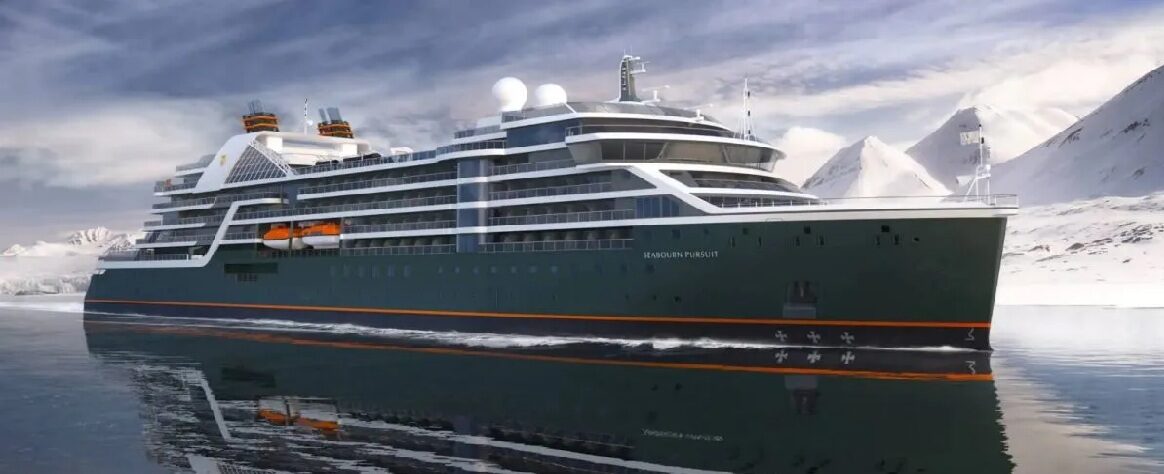
Seabourn Pursuit
8 Cruises
Port of Gizo | Cruise Port Guide
Frequently Asked Questions
In the lagoon, among the turquoise patches of reef. Tenders drop passengers at the small jetty right in the centre of town, steps from the waterfront market.
The main town of the Western Province of the Solomon Islands: a row of tin and timber shops along a single street following the shore. No hurried traffic, no large hotels.
Because in August 1943 the patrol torpedo boat PT-109, commanded by Lieutenant John F. Kennedy, was rammed at night by a Japanese destroyer. The future president and his crew swam for hours to this coconut-crowned sandbank.
Swim, picnic and walk around it in a few minutes. The place is unchanged: sand, coconut palms, clear water, and the story told by local guides. The crossing from Gizo is short.
Yes, Gizo's waters rank among the finest in the South Pacific. The reefs hold turtles, rays and shoals of fusiliers, and the Second World War wrecks make the site distinctive: the Japanese freighter Toa Maru lying on her side, and aircraft resting on the sand.
For the wrecks, yes. Snorkellers still do well on the nearby coral flats, where visibility is often excellent and the water stays above 28 degrees most of the year.
Pineapples, taro, lagoon fish and some wood carvings, offered without any hard sell. It is the best place to take the pulse of the archipelago, among arriving canoes and uniformed schoolchildren.
Yes, some calls include nearby villages where residents present dancing, weaving and stone-oven cooking. These visits are arranged with the communities themselves.
The Solomon Islands dollar. Bring cash in small notes: cards are of little use in town and there is no bank machine a cruise passenger can rely on.
Yes, if the children swim. Kennedy Island is a safe, short beach visit, the market is lively without being overwhelming, and the day stays simple. Bring a hat, water and sun protection, as shade is scarce.


