Castellon de la Plana Spain
7
Cruises availables
At departure or passage at this port
Lindblad Expeditions (6 Cruises)
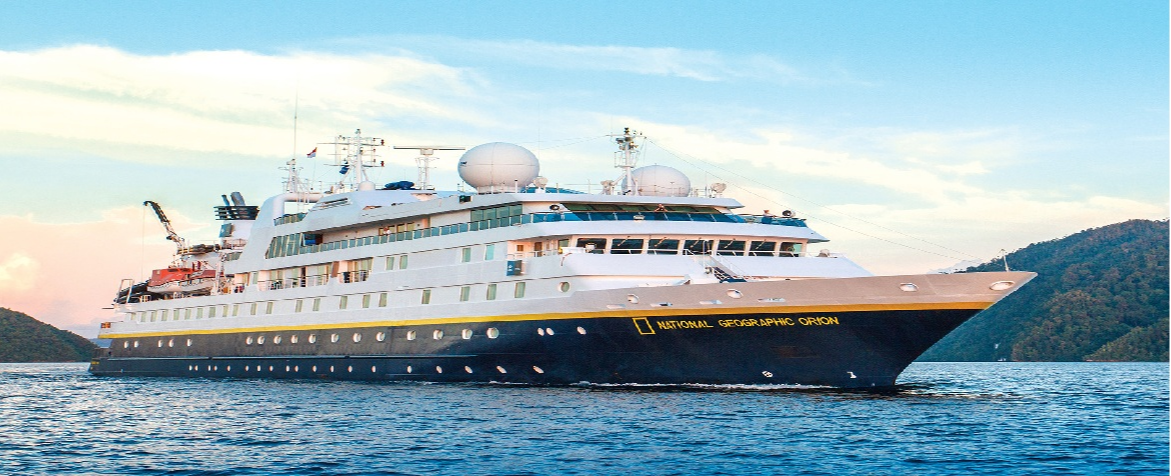
National Geographic Orion
6 Cruises

| 25 June | 13 days | One-way from Barcelona to Ponta Delgada |
450-628-6241
Call us
|
| 25 June | 11 days | One-way from Barcelona to Ponta Delgada |
450-628-6241
Call us
|
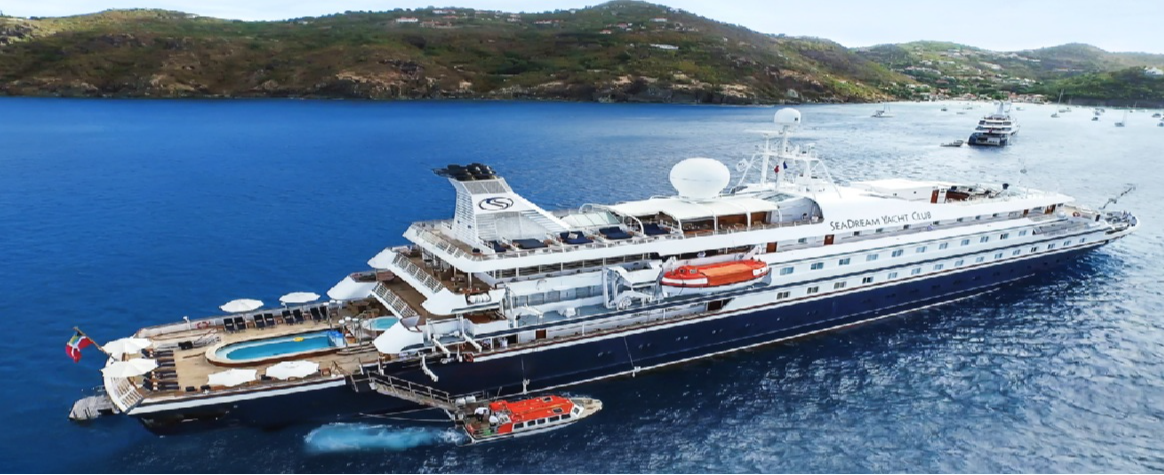
SeaDream Yacht Club (1 Cruises)


Castellón de la Plana Spain | Mediterranean Cruise Port Guide
Frequently Asked Questions
At the Grao, the maritime quarter, four or five kilometres from the city itself. A free shuttle links the two in about ten minutes across the market-garden plain.
A still-working fishing port, a marina and a promenade lined with restaurants. Trawlers come in with their catch, boat owners tinker on their yachts: a few minutes are enough to feel the place before catching the shuttle.
The city's octagonal bell tower, raised between the 15th and 17th centuries and standing apart from the church, now the emblem of the town. Climbing it gives a panorama running from the inland mountains to the Mediterranean.
The co-cathedral of Santa María with its rebuilt Gothic façade, the town hall, and the Fadrí alongside. Around it, Plaza de Santa Clara, Plaza de la Pescadería and the neighbouring streets line up Gothic and Renaissance buildings.
Rice, without hesitation. The area around the port is full of arrocerías: seafood paella, black rice with squid ink, creamy rice with rockfish. The produce comes from the nearby fish auction and the portions are generous.
Yes, three quarters of an hour north by road. The town pushes its fortified lanes into the sea, crowned by the Templar castle where Benedict XIII, the Pope Luna, settled: one of the few papal cities in the world.
Yes, further inland. Morella rings a rocky outcrop with medieval walls, sloping lanes and vast views over the sierras. The excursion takes a good part of the day.
The shuttle into town, the Plaza Mayor and the Fadrí, a wander through the old quarter, then back to the Grao for a rice lunch facing the boats. Peñíscola and Morella need a longer call.
Spanish and Valencian, often in the same café. English is less common than at the big coastal calls: this is a provincial city, alive and proud of it.
It rarely tops an itinerary, and that may be its good fortune. The city receives visitors without dressing up, between its bell tower, its orange groves and its fishing quarter. Anyone who likes everyday Spain leaves satisfied.


