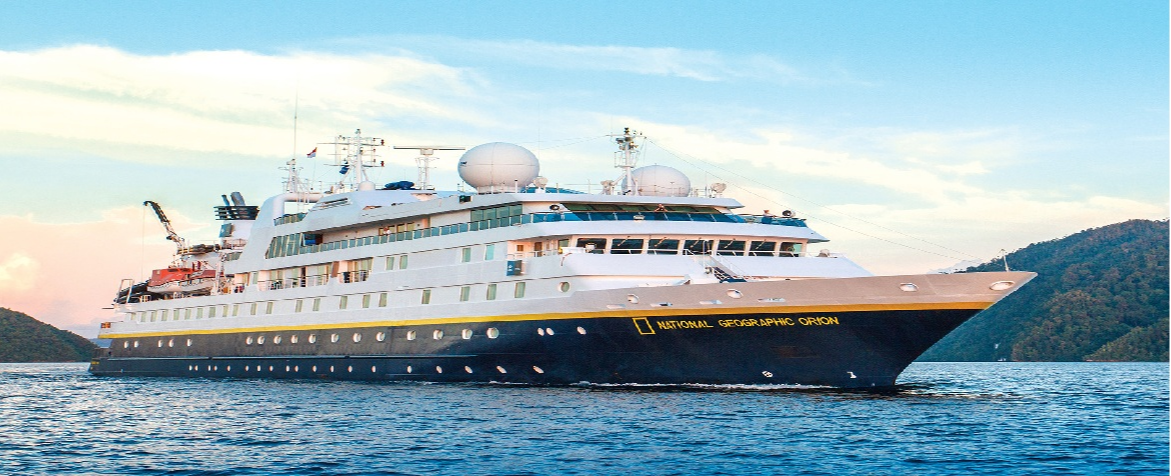
The tender leaves the ship anchored offshore and heads for an indentation in the coast, so narrow you would swear it was drawn for small boats. That is how you approach Ciutadella, by a deep cove where sailboats line up beneath ochre façades. The former capital of Menorca offers its favours only to modest-sized ships, and this intimacy lends the arrival a character that grand terminals do not know.

A Port Carved Into the Old City

From the tender's descent, the terraces of cafés and restaurants line up at water level, backed against the low cliff that bears the old city. One staircase later, you find yourself on the Es Born plaza, the former parade ground, dominated by its obelisk. The contrast strikes immediately: below, masts and reflections; above, palaces and bell towers. The entire historic centre then unfolds on foot, without ever hurrying.

The Cathedral and Catalan Gothic

Through the shaded lanes, the Santa Maria Cathedral imposes itself as the city's monumental heart. Raised in the fourteenth century after the Catalan conquest, on the site of a former mosque, it conserves its Gothic structure despite the Baroque and Neoclassical additions of succeeding centuries. The pale stone of its buttresses takes on a warm hue in late morning, and the interior offers a welcome coolness when the Balearic sun beats down on the plazas.

Palaces and Courtyards

Around the cathedral, noble residences tell of the golden age of Minorcan aristocracy. The Salort Palace opens its salons to visitors at certain times of year; its neighbour, the Vivó Palace, astonishes with its red façade in Neoclassical inspiration. Between the two, vaulted porches shelter esparto-sandal shops, cheesemongers and workshops, for Menorca produces a cow's-milk cheese of which islanders speak with genuine pride.

Wandering Without a Plan

The true pleasure of this port-call lies in wandering. The white and golden lanes resemble each other just enough that you can lose yourself intentionally, emerging now at a market, now at a small plaza where elders comment on the day in the shade. Returning to the water, the walk that borders the cove offers the city's most-photographed viewpoint: the row of façades that descend toward the boats, with the sea as backdrop.

The Taste of Menorca

Midday provides an excellent excuse to slow down further. Tables set along the cove serve caldereta de langosta, the emblematic dish of Minorcan shores, and the products of an island that has always lived from its land as much as from the sea: aged cheese, charcuterie, pastries made with lard called ensaimades. Local gastronomy also owes a nod to history: mayonnaise supposedly takes its name from Mahó, the rival to the east of the island. You eat here without rushing, to the rhythm of the boats' comings and goings, and the afternoon seems all the sweeter for it.

Reference Points for the Port-Call

  • Arrival by tender from the anchorage; the dock touches the centre.
  • Old city entirely pedestrian, complete visit possible in two to three hours.
  • Port-side cafés and shops around Es Born for the midday pause.

The Final View From the Anchorage

On return, the tender moves slowly away and the cove closes behind it like a well-kept secret. The bell towers top the roofline for a moment, then the coast reverts to limestone and scrubland. You then understand why Menorcans cherish their former capital so: it reveals itself only to those who take the trouble to enter by the small gate, and that is precisely what awakens the desire to return.

Frequently Asked Questions

The ship anchors offshore and the tender runs up a narrow inlet to the landing, right beside the terraces. The call suits small ships only: large vessels cannot enter.
A deep notch in the coast, so narrow it looks designed for rowing boats, with sailboats lined up beneath ochre façades. Below, masts and reflections; above, palaces and bell towers.
By a staircase, in a few minutes. You emerge on Es Born square, the former parade ground with its obelisk. The whole historic centre is then walkable.
The monumental heart of the town, raised in the 14th century after the Catalan conquest on the site of a former mosque. It keeps its Gothic structure despite baroque and neoclassical additions, and the interior offers welcome cool.
The Salort palace, which opens its salons to visitors at certain times of year, and its neighbour the Vivó palace, with a red neoclassical-inspired façade. They speak of the golden age of the Menorcan aristocracy.
Two to three hours cover the old town, which is entirely pedestrian. The real pleasure is wandering: the white and golden lanes look just alike enough to get lost in on purpose.
Caldereta de langosta, the emblematic dish of the Menorcan coast, served at the tables along the inlet. Add the island's cow's-milk cheese, which locals discuss with real pride, cured meats and lard-rich ensaimadas.
The sauce is said to take its name from Mahón, Ciutadella's rival at the eastern end of the island. That is the local tradition, and Menorcans have no wish to be contradicted on it.
The rampart walk along the inlet, on the way back down to the water: the line of façades plunging towards the boats, with the sea behind. It is the photograph everyone brings home.
The euro, cards accepted in shops and restaurants. Catalan in its Menorcan variety and Spanish are spoken; English is understood in tourist places.