El Puerto de Santa Maria Spain Andalusia

109 Cruises availables At departure or passage at this port

CroisiEurope (109 Cruises)

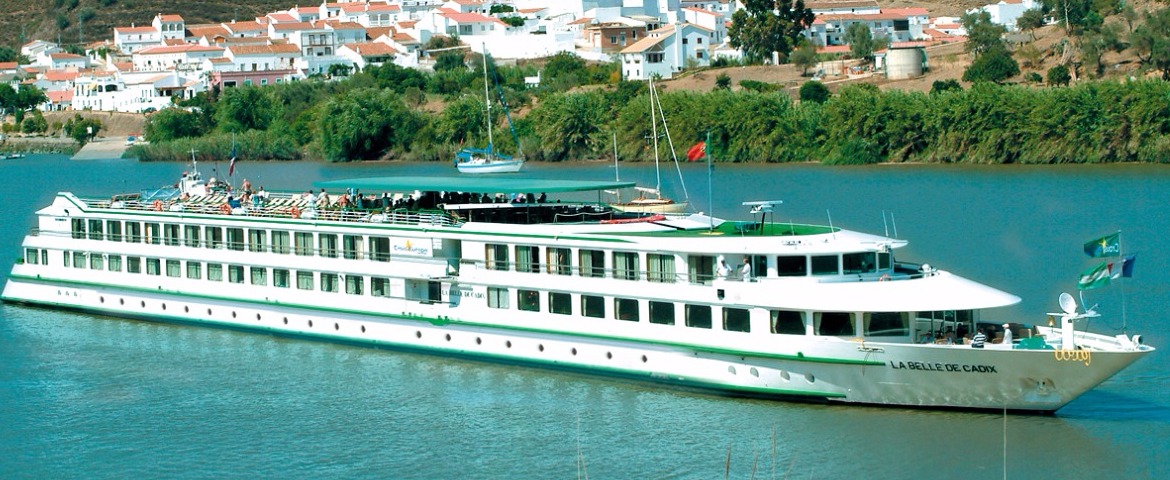
Cruise CE Croisieurope MS Belle de Cadix ship

MS Belle de Cadix

176 Passengers
Visit the ship's page

El Puerto de Santa María Spain | Andalusia Cruise Guide

The scent of oak barrels drifts along this shore of the Bay of Cadiz. El Puerto de Santa María has lived to the rhythm of sherry for centuries: the wine cellars occupy entire city blocks, and their whitewashed walls shelter rows of barrels aging fino and oloroso in the cool shade. The Andalusian stop that begins here blends medieval stone, century-old bullrings, and a way of life built around a glass of amber wine. Ships reach this shore through the Bay of Cadiz, waters sailors have frequented for centuries.

San Marcos, a Castle Born from a Mosque

The town's most singular monument tells the story of Andalusia all on its own. After the city was captured in 1260, King Alfonso X the Wise had the Castillo de San Marcos built over a mosque; the former prayer hall, converted into a church, remains the crown jewel inside the crenellated fortress. Guided tours, offered in Spanish and English, run about an hour and a half and end with a tasting of five sherries. It's hard to imagine a better introduction to the region.

In the Cool Shade of the Bodegas

You can't come here without stepping into a wine cellar. The Osborne house, famous for its black bull that has become a symbol of Spain as a whole, offers daily guided tours; it's also the country's largest brandy producer. Near the catamaran dock that links the town to Cadiz, a family-run bodega founded in 1838 welcomes visitors just steps from the Guadalete River. From one producer to the next, you learn to tell the salty freshness of a fino from the rounder character of an oloroso, and it becomes clear why these wines have won over tables around the world. The tour follows the wine's journey, from the presses to the rows of barrels stacked according to the traditional solera system, where young vintages gradually take on the character of the older ones.

A First-Class Bullring

A few streets from the wine cellars stands the Plaza de Toros, built in 1880 to hold 15,000 spectators. The building ranks among the three most important bullrings in Spain, after Madrid and Seville. Even without attending a bullfight, you can admire the elegant circular brick-and-iron façade, a reminder of an era when the town rivalled the great bullfighting capitals. It's well worth walking all the way around it to take in its full scale. The surrounding neighbourhood is lined with taverns and shipowners' houses bearing carved coats of arms.

Wandering Between the River and the Squares

The rest of the day belongs to the streets. The terraces fill up as Andalusians step out to enjoy the cool evening air; the counters serve fried fish and shrimp from the bay, naturally paired with a glass of the local wine. From there, it's worth heading to the market stalls to watch trays of shrimp and sea bream go by on ice, a sight that sharpens the appetite better than any menu could. The shaded squares then offer their benches for a rest, just as the light turns the façades white. The banks of the Guadalete offer a quiet stroll down to the docks, where the view stretches out toward Cadiz, its white neighbour sitting across the bay. The catamaran crossing the water is also a lovely option for anyone wanting to glimpse Cadiz from offshore; the crossings are short and the view is unbeatable.

Heading back to the ship, many travellers carry a carefully wrapped bottle with them, a liquid souvenir of a day spent among the centuries. Sherry has this particular quality: opened years later, thousands of kilometres away, it instantly brings back the white Andalusian light and the coolness of the quiet wine cellars. The stop lives on that way, one glass at a time.

Frequently Asked Questions

On the northern shore of the Bay of Cádiz, at the mouth of the Guadalete river. The town opens up right behind the quays and the historic centre is walkable.
Sherry. The bodegas take up entire blocks and their whitewashed walls shelter rows of barrels where finos and olorosos age. On some streets you can smell the oak.
A bodega visit, the San Marcos castle, then the cafés of the centre. That already fills the time. Adding Cádiz or Jerez to the same day means dropping one of the three.
You follow the wine from the presses to the barrels stacked in the solera system, where young vintages gradually take on the character of older ones. The visit ends with a tasting. Osborne, famous for the black bull that became a Spanish emblem, receives visitors daily; a family bodega founded in 1838 also welcomes visitors near the catamaran landing.
Yes, and it tells the story of Andalusia on its own. After the town was taken in 1260, Alfonso X the Wise had the fortress built over a mosque; the former prayer hall, converted into a church, is the interior highlight. Guided tours run about ninety minutes and end with a tasting of five sherries.
Yes. A catamaran crosses the bay and the trip is short. The view of Cádiz from the water is the best reason to go. Just check the return schedule before you set off.
The Plaza de Toros, built in 1880 for fifteen thousand spectators, ranks among Spain's three major bullrings after Madrid and Seville; you can walk right around its brick and iron facade. There is also the market hall with its trays of prawns and sea bream on ice, and the Guadalete riverbank for a stroll.
Fried fish and prawns from the bay, served over the counter. Simple, fresh, and eaten standing up in the taverns of the centre. The shaded squares then supply a bench for the Andalusian siesta.
Reasonably, though it is not built for children. Sherry tours will not hold them; the market hall, the riverbank and the catamaran crossing to Cádiz will.
The euro and Spanish, with workable English in the bodegas. Cards are accepted everywhere. Spring and autumn are best: July and August bake Andalusia, and a cellar visit becomes the only cool place of the day.