Union Island Grenadines Ashton
St Vincent & Grenadines
31
Cruises availables
At departure or passage at this port
Emerald Waterways (31 Cruises)
Emerald Azzurra
27 Cruises
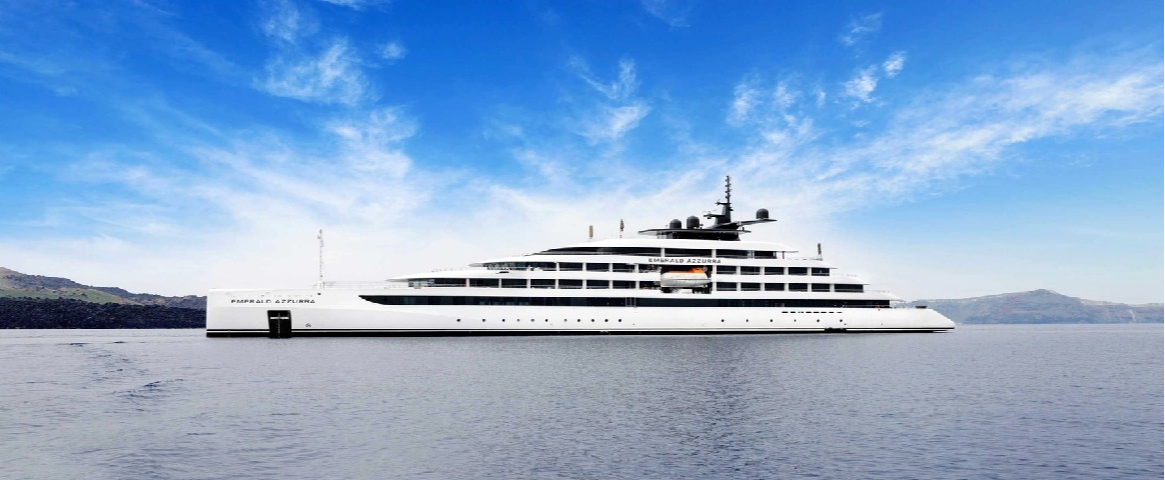

| 24 January | 6 days | Round-trip 7 Night Grenadines and Windward Islands Yachting Cruise |
450-628-6241
Call us
|
| 21 February | 6 days | Round-trip 7 Night Grenadines and Windward Islands Yachting Cruise |
450-628-6241
Call us
|
| 21 March | 6 days | Round-trip 7 Night Grenadines and Windward Islands Yachting Cruise |
450-628-6241
Call us
|
| 28 November | 6 days | Round-trip 7 Night Grenadines and Windward Islands Yachting Cruise |
450-628-6241
Call us
|
| 2 April | 6 days | Round-trip 7 Night Grenadines and Windward Islands Yachting Cruise |
450-628-6241
Call us
|
| 7 January | 6 days | Round-trip 7 Night Grenadines and Windward Islands Yachting Cruise |
450-628-6241
Call us
|

Port of Union Island, Saint Vincent and the Grenadines | Cruise Port Guide
Frequently Asked Questions
It anchors offshore and tenders passengers in, usually to the Clifton jetty, the southern gateway to the Vincentian archipelago. The island is recognisable from far off by its jagged volcanic peaks, which earned it the nickname Tahiti of the Caribbean.
Yes. The town runs along three streets parallel to the shore: crew cafés, fruit stalls, sail lofts, small creole kitchens and a covered market selling the morning’s tuna and mahi-mahi. Everything is walkable from the jetty; water taxis are only needed for Happy Island or Kite Beach.
An entirely man-made islet, built from the year 2000 by a local, Janti Ramage, who stacked thousands of conch shells discarded by fishermen. He runs a bar there, reached by water taxi, for a rum punch between sky and reef. You can also just look at it from shore: the silhouette on turquoise water is worth the photograph.
No, you can simply watch. At the eastern end of the lagoon the wind blows with rare consistency and the reef-protected water stays flat as a rink, which draws riders from around the world. Onlookers settle in the shade of the sea grape trees; local schools offer introductory lessons. A short walk or a water taxi from the jetty.
Generally December to June, when the trade wind is steadiest. The rest of the year the wind turns fickle and introductory sessions become less predictable.
It is possible, but it takes a good half-day. From the heights above Ashton the climb runs about 40 minutes, steeply, to the highest point in the Grenadines at around 300 metres, rewarded by a view over Carriacou, Mayreau and the scattered Tobago Cays. Bring proper shoes and plenty of water, and check the last tender time before setting out.
Walk through Clifton and its market, take a water taxi to Happy Island, then carry on to Kite Beach for the spectacle of the sails. If you prefer walking, swap all of it for the Taboi climb. The two programmes will not fit into a short call together.
A more residential village backing onto the mangroves of an unfinished marina that has become a bird refuge. It is also the starting point for the Mount Taboi trail. The coast road leads there from Clifton.
No. There is no large resort and no air-conditioned shopping street: this is a fishing port that became a sailing crossroads. You buy fruit at the market, a creole meal, a punch at Happy Island. Duty-free shopping will have to wait for another port.
The East Caribbean dollar is official and US dollars are accepted everywhere. English is spoken, but the island is a provisioning stop for sailors from all over, and bar conversations often switch to French mid-sentence.


