Marstrand Marstrandson-Koon Island Sweden
Sweden

1 Cruises availables At departure or passage at this port

Port of Marstrand, Sweden | Cruise Port Guide

A round fortress crowns the island like a granite helmet. You can see it from afar, long before making out the white houses and the docks of the marina: Carlsten heralds Marstrand, and Marstrand's story cannot be told without it. This car-free island in Bohuslän, northwest of Gothenburg, was in turn a coveted stronghold, a herring capital and a royal seaside resort. It retains a rare blend of military swagger and summer lightness.

Climbing to Carlsten

From the quays, a ten- to fifteen-minute climb through the lanes is enough to reach the fortress, built in the 17th century after the region, long Norwegian and then Danish, passed to Sweden. Behind its thick walls lie casemates, cobbled courtyards, a round tower and ramparts from which the view sweeps over the whole archipelago: a scattering of grey-pink islets all the way to the horizon. Guided tours bring to life the garrison and the most famous inmate of the dungeons, Lasse-Maja, a cross-dressing thief turned folk hero, a kind of Swedish Robin Hood whose escapades still amuse the country. Exhibitions also trace the daily life of the soldiers and convicts who built the walls, stone by stone. Wear good shoes: the cobblestones and stairs must be earned.

Pastel Lanes and Quayside Life

Heading back down, the island reveals its village: 18th- and 19th-century wooden houses in pastel hues, little gardens overflowing with hollyhocks, small squares where regatta notices dry in the sun. The sober stone church recalls the medieval origins of the town, founded in the 13th century under the Norwegian crown and enriched by herring catches so abundant they drew merchants from all over Europe. Today, herring is more often enjoyed on a terrace, pickled and served with new potatoes, while sailboats manoeuvre in the channel. Marstrand is one of Sweden's sailing capitals, and the big summer regattas turn the water into a ballet of spinnakers.

The Royal Interlude

At the end of the 19th century, Marstrand became the most fashionable bathing resort on the west coast, under the patronage of King Oscar II, who returned every summer. From this era date the pavilions, the large verandas and a taste for strolling the quays in light-coloured attire. What remains is a discreet elegance, noticeable as soon as the sun comes out and the flags go up the masts.

A One-Hour Coastal Loop

A trail loops around Marstrandsön in about an hour, alternating footbridges, smooth rocks and coves where locals spread their towels right on the granite. On the open-sea side, the Skagerrak wind ruffles your hair and waves fringe the reefs; on the channel side, all becomes calm again and kayaks glide between the buoys. Along the way, the former Strandverket battery has been converted into an art museum, with photography and sculpture exhibitions in its vaulted halls. Seasoned swimmers will find ladders and diving boards set directly into the rock, as Swedish tradition requires. Allow for breaks along the way: the coves invite you to sit down, and no one rushes anyone here.

The Port of Call in Brief

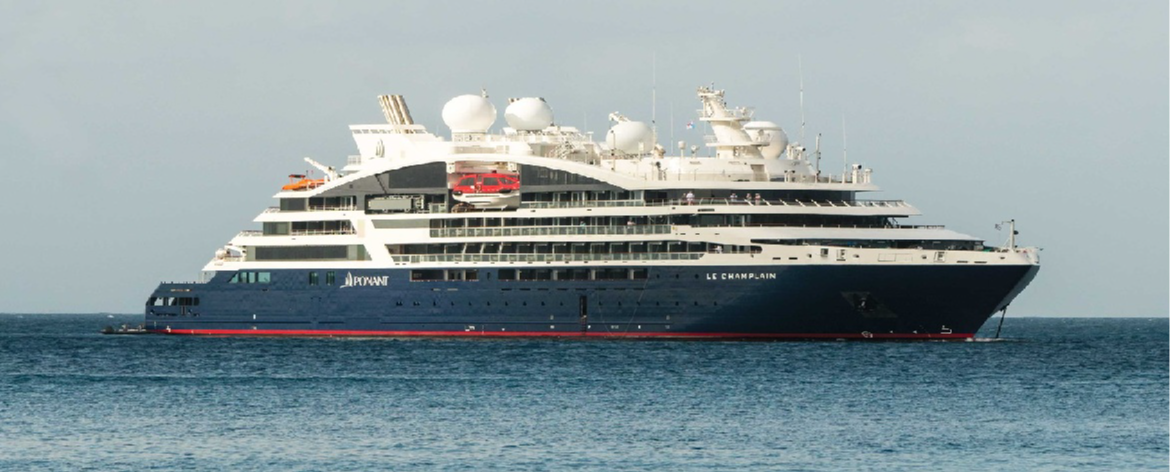
  • Ships anchor off the archipelago and tender passengers ashore; a ferry of a few minutes also links the island to neighbouring Koön.
  • The island can only be explored on foot: no cars, no buses, minimal distances.
  • High season from mid-June to mid-August: packed terraces and a regatta atmosphere guaranteed.

At departure time, the fortress lingers in view, stern above the pale façades. The stop will have revealed two faces in a single day: the Sweden of cannons and treaties, and the Sweden of summers on the quay, ice cream in hand. Archipelagos have this talent: condensing a country's history onto a few hectares of granite.

Frequently Asked Questions

It stays at anchor — ships anchor off the archipelago and land passengers by tender. Marstrand is a car-free island in Bohuslän, northwest of Gothenburg. A short ferry also connects the neighbouring island of Koön.
On foot only. There are no cars and no buses on the island, and distances are tiny: the village, the fortress and the coastal loop are all walkable. Bring proper shoes — the cobbles and stairs up to Carlsten have to be earned.
The round granite citadel crowning the island, visible long before the houses. Raised in the seventeenth century after the region — long Norwegian, then Danish — passed to Sweden, it holds casemates, cobbled courts, a round tower and ramparts with views across the whole archipelago. Allow ten to fifteen minutes to climb from the quays.
The most famous inmate of the dungeons: a cross-dressing thief turned folk hero, a sort of Swedish Robin Hood whose exploits still amuse the country. Guided tours of the fortress tell his story, along with the daily life of the soldiers and convicts who built the walls.
Climb to Carlsten and tour it, come back down through the pastel lanes of the village, then walk the hour-long coastal loop around the island. Finish with pickled herring and new potatoes on a terrace while the sailing boats manoeuvre in the channel.
A path circling the island in about an hour, alternating boardwalks, smooth rock and coves. On the seaward side the Skagerrak wind is fierce and waves fringe the skerries; on the channel side everything calms and kayaks slip between the buoys. The coves invite you to sit — build in pauses.
Yes, straight off the granite. Locals spread their towels on the bare rock, and ladders and diving boards are set into the stone, as Swedish tradition demands. Skagerrak water stays cool, even in August.
A former military battery converted into an art museum, on the coastal loop: photography and sculpture exhibitions in vaulted rooms. It is the cultural stop on the walk, and a useful shelter if the wind turns.
Because in the late nineteenth century it became the most fashionable bathing resort on the west coast under the patronage of King Oscar II, who returned every summer. The pavilions and broad verandas date from then. Today Marstrand is one of Sweden’s sailing capitals, and the big summer regattas turn the water into a ballet of spinnakers.
Mid-June to mid-August: full terraces, flags on the masts and guaranteed regatta atmosphere. Outside that window the island keeps its scenery but loses much of its life.