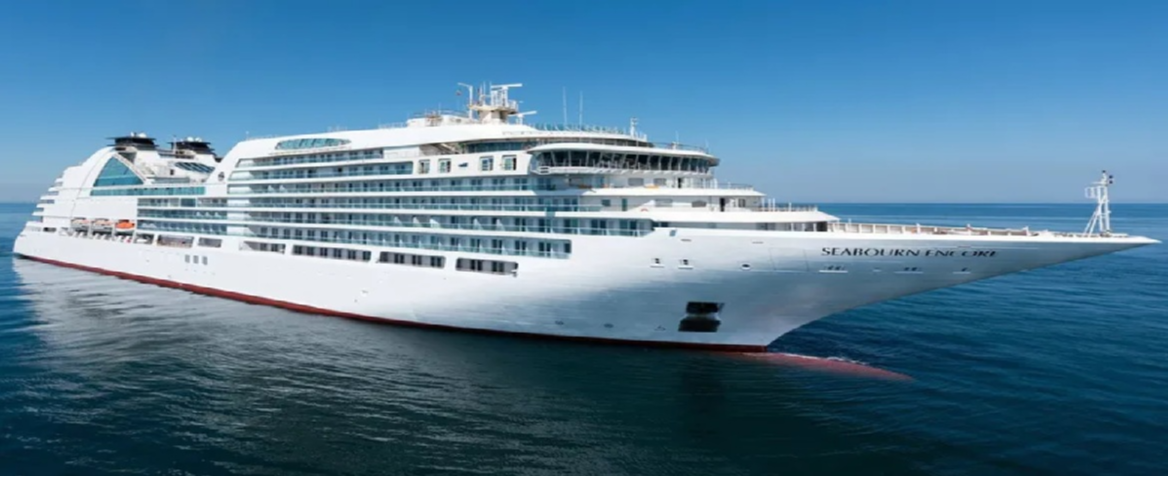
Taichung, Taiwan | Cruise Port Guide

The wind from the Taiwan Strait sweeps the docks long before the city comes into view. In Taichung, cruise ships berth in the middle of an industrial giant, the island's second-largest cargo hub, where container cranes shape the horizon. The call is disconcerting at first, then rewarding: between the Gaomei wetlands, the old town of Lukang and a bustling metropolis, Taiwan's west coast holds much more than its silos.

Arriving in an industrial zone

Ships moor in the heart of the port facilities, far from residential areas. At the foot of the gangway, a service centre brings together customs formalities, an information desk and a few basic amenities. Since walking through the cargo area isn't possible, taxis and shuttles organized by the cruise lines handle all transportation. It's therefore best to plan your day before leaving the ship, as the attractions are spread along the coast and inland. Also build some flexibility into your schedule: distances look short on the map, but regional traffic decides otherwise.

The Gaomei Wetlands

North of the basins, the Gaomei Wetlands form the most surprising landscape in the area. A wooden boardwalk extends over mudflats where crabs and shorebirds bustle at low tide. The large white wind turbines lined up along the dike give the place an almost unreal look, especially in the late afternoon when the light softens and the silhouettes of walkers are reflected in the thin layer of water. The site is free to explore, and excursions usually allow enough time to walk to the end of the boardwalk, watch the shellfish gatherers and let the wind cheerfully tousle everyone's hair.

Lukang, memory of the coast

Farther south, Lukang was one of the island's great trading ports. Its old street winds between red-brick houses, incense-scented temples and stalls where artisans still craft lanterns and fans. Taiwanese families come here on pilgrimage as much as for a stroll, and it's easy to see why: the town preserves an atmosphere that the island's modern cities have long left behind.

The coast and its detours

Near the terminal, the seaside art centre presents exhibitions in converted former warehouses, while a vast outlet mall draws visitors looking for bargains. These stops suit those who prefer to stay close to the ship rather than take on a long trip.

Venturing into the metropolis

About an hour's drive separates the docks from downtown Taichung. The reward: a lively university city, bold contemporary façades, stylish cafés and night markets where skewers and fried dumplings sizzle. Those with a long call can devote most of their day to it, while leaving some leeway for the return, as traffic thickens in the late afternoon.

Getting around

  • Cruise line excursions: the simplest option for Gaomei, Lukang or the metropolis.
  • Taxis at the terminal: agree on the price and return time before setting off.
  • Regional buses: possible, but connections eat up precious time.

On the way back, as the sun sets over the strait and the wind turbines turn slowly against the light, Taichung reveals its true nature: that of a working coast, where beauty isn't on display but must be earned. Passengers returning on board rarely bring back photos of monuments. They bring back golden mudflats, brick lanes and the memory of an island that moves fast without disowning its old trading posts.

Frequently Asked Questions

In the middle of the port installations, the island’s second freight hub, well away from residential areas. A service centre at the foot of the gangway handles customs formalities, an information desk and a few basic amenities.
No. Walking is not possible inside the freight zone: taxis and cruise line shuttles handle all movement. Plan your day before leaving the ship, since the attractions are spread along the coast and inland.
About an hour by road. Distances look short on the map, but regional traffic decides otherwise and thickens in the late afternoon. Leave slack for the return.
The wetlands north of the harbour basins, the most striking landscape nearby: a wooden boardwalk runs out over mudflats where crabs and wading birds work at low tide. The tall white wind turbines lined along the dyke give the place an almost unreal look.
Late afternoon, when the light softens and the walkers’ silhouettes reflect in the thin water. The site is freely accessible, and the wind blows everyone about — worth factoring into what you wear.
A former major trading port further south. Its old street winds between red brick houses, incense-filled temples and workshops where artisans still make lanterns and fans. Taiwanese families come here on pilgrimage as much as for a walk.
Pick one objective: Gaomei, Lukang or the city. Travel eats a large share of the day and trying to combine two means rushing. Those who prefer to stay near the ship will find an art centre in converted warehouses and a large outlet mall.
A lively university city: bold contemporary architecture, carefully run cafés and night markets sizzling with skewers and fried dumplings. It justifies a long call, provided you accept two hours of driving there and back.
Cruise line excursions are the simplest option for Gaomei, Lukang or the city. If taking a taxi at the terminal, agree on the fare and the return time before setting off. Regional buses exist, but the connections eat up valuable time.
Yes, provided you know what to expect. Arriving among the container cranes is disconcerting, but the coast holds the golden mudflats of Gaomei and the brick lanes of Lukang. Few passengers come back with photographs of monuments — more often with the memory of a working coast where beauty has to be earned.