The engine slows, reeds close in as a green corridor and, suddenly, temple façades surge from the cliff-face. Carved more than two thousand years ago, the rock-cut tombs of Kaunos's kings watch boats pass as they once watched merchant vessels. Dalyan cannot be visited otherwise: here, on Turkey's turquoise coast, everything arrives and departs by water, through a delta where sea turtles still take precedence.

A Delta Worth the Journey

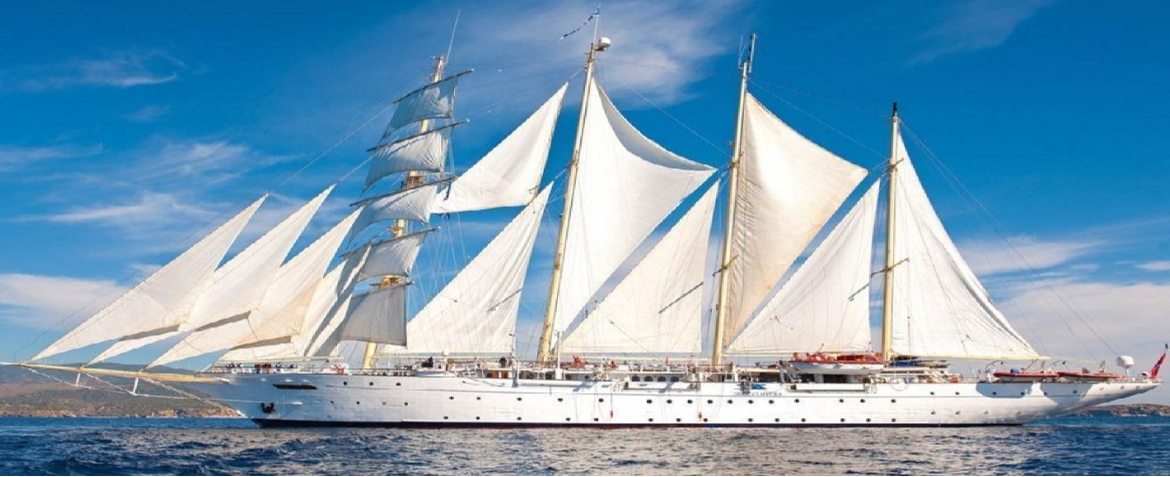
Cruise ships, modest-sized in this region, anchor offshore and entrust their passengers to flat-bottomed river boats, the only craft able to slip through the channels. The Dalyan River winds roughly ten kilometres between Lake Köyceğiz and the Mediterranean, through a maze of reeds. The word dalyan itself means a fishery: nets strung in barrages have captured mullet and sea bass for generations, and blue crabs from brackish waters end up grilled on the tables of the village's restaurants.

The Tombs of Kings and the City of Kaunos

Facing the village, the rock face bears the region's most famous image: funeral façades with Ionic columns, carved in the fourth century before our era for Kaunos's rulers. You admire them from the water, at respectful distance. A little further, a short boat crossing then a path lead to the ruins of Kaunos itself, an ancient port city at the border of the Lycian and Carian worlds. Theatre backed against the hill, thermal baths, agora: the sea has withdrawn since antiquity, leaving the ancient city poised above the marshes in a silence troubled only by birds.

İztuzu, the Turtle Beach

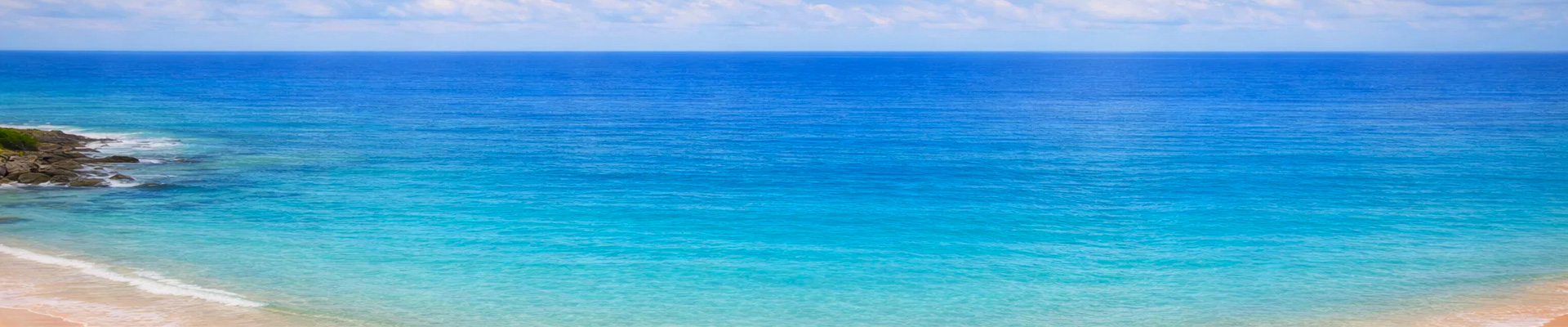
At the delta's end, a long tongue of sand separates fresh water from sea: İztuzu Beach, one of the Mediterranean's main nesting sites for the loggerhead turtle (Caretta caretta). The site is protected, nesting sections marked, and swimming happens in crystalline water, between two liquid worlds. Boats moor directly on the beach. You retain the image of this golden strip seen from offshore, closing this world of mingled waters like a parenthesis.

Warm Mud and Sulphurous Waters

On the lake's opposite shore, the region's mud baths attract a joyful clientele who coat themselves in grey clay, dry like statues in the sun, then rinse in basins of sulphurous thermal water. The smell surprises, the experience amuses, the skin emerges surprisingly soft. It is the lightest stop of the day, and it belongs to local folklore as much as the coloured boats moored to the village's pontoons.

Time for Tea in the Village

Between boat journeys, the village of Dalyan itself rewards a stroll: flowered pontoons, çay served in tulip glasses, spice and Turkish delight shops, a minaret marking the hours. Pomegranates ripen in gardens and fig trees spill over walls. Nothing hurries here, and that is decidedly very well indeed.

On the return, the sun descends over the reeds and gilds one last time the façades of the royal tombs. Herons make for their perches, a turtle breaks the surface near the boat, vanishes. The delta closes softly behind you, but it continues to live at its amphibious pace, and something tells you that you have seen only part of it: the turtles, they return each year.

Frequently Asked Questions

Nowhere: Dalyan is reached only by water. Cruise ships in this region are small; they anchor offshore and hand passengers over to flat-bottomed river boats, the only craft able to thread the delta channels.
Like going up a river between reeds that close into a green corridor. The Dalyan river winds some ten kilometres between Lake Köyceğiz and the Mediterranean, through a labyrinth of reed beds. The trip is part of the call, not just transport.
Funerary facades with Ionic columns carved into the cliff in the 4th century BC, opposite the village, for the rulers of Kaunos. They are admired from the water at a respectful distance: you don't visit them up close, and the view is worth far more than proximity.
Yes, by a short boat crossing and then a path. Kaunos was a port city on the border of the Lycian and Carian worlds: a theatre set against the hill, baths, an agora. The sea has retreated since antiquity, leaving the ancient city as a balcony above the marshes, in a silence broken only by birds.
A long spit of sand at the end of the delta, separating fresh water from the sea. It is one of the main loggerhead turtle nesting sites in the Mediterranean. The site is protected, the nesting sections marked out, and boats land directly on the sand.
Yes, at İztuzu, in clear water between two liquid worlds. Respect the markers around the nesting zones: it isn't a formality, it's what allows the turtles to keep coming back. Don't dig in the sand and leave nothing behind.
The trip up the delta, the rock tombs seen from the water, a stop at Kaunos and a swim at İztuzu before heading back down. The programme composes itself: the boat strings the sites together in order, and there is little to choose between.
Fish and blue crab. The word dalyan means a fishery: net weirs have caught mullet and sea bass here for generations, and the blue crabs of the brackish water end up grilled on the tables of the village restaurants. It is river cooking as much as sea cooking.
That's a matter of taste. On the bank, pools of warm mud and sulphur water are part of the classic circuit and amuse plenty of visitors. The sulphur smell is strong and lingering: bring a swimsuit you won't mourn and something to rinse off with.
For anyone who can get in and out of a boat without difficulty. The whole day is spent on the water, with several transfers, a path up to Kaunos and a landing on sand. Passengers with reduced mobility will find the sequence demanding.