Khor Fakkan Sharjah, UAE
UAE
17
Cruises availables
At departure or passage at this port
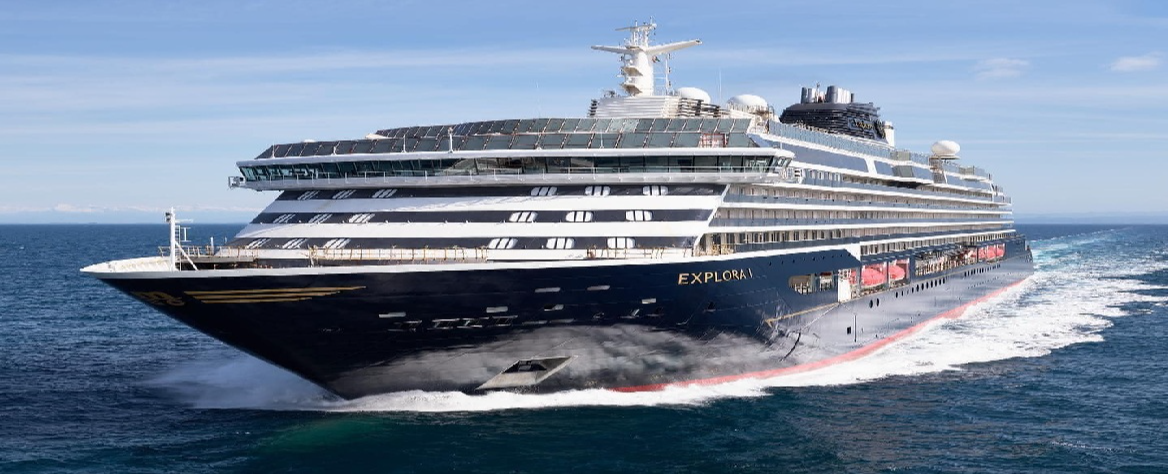
Explora Journeys (17 Cruises)
Explora I
17 Cruises


Port of Khor Fakkan, UAE | Cruise Port Guide
Frequently Asked Questions
Inside the container port, about a 20-minute walk from the town centre. Walking is not allowed inside the port area: free shuttles drop passengers at the gate, where metered taxis and local ride-hailing cars wait.
On foot, once you are outside the port gate. The palm-lined corniche runs along the water into the centre in roughly 20 minutes. A taxi is only needed for the mountain viewpoints.
The corniche, the beach and the amphitheatre with its man-made waterfall easily fill half a day. If you want to see the Hajar Mountains, take a taxi to the Al Suhub rest area or Shees Park in the nearby wadi.
Yes. The public beach stretches nearly three kilometres of pale sand, and the Gulf of Oman water is often clearer than anything on the Dubai coast. Swimwear belongs on the sand only: cover up to walk into town.
The UAE dirham (AED). Cards work in shops, restaurants and hotels, but keep some cash for taxis, corniche kiosks and small stalls.
Arabic is the official language, but English is spoken everywhere, by taxi drivers and shopkeepers alike. French is essentially not spoken.
No, and it is worth knowing before you go ashore. Khor Fakkan belongs to the emirate of Sharjah, the only one of the seven where selling and drinking alcohol are prohibited, restaurants included. Your drink waits back on board.
Very much so. The corniche has playgrounds, shaded benches and kiosks, the beach shelves gently and the town stays quiet. Heat is the real obstacle: with young children, go early and carry water.
November through March, when temperatures hover around 25 °C. From May to September, heat regularly passes 40 °C with high humidity, and a midday visit becomes punishing.
Shoulders and knees covered in town. Sharjah is the country's most conservative emirate and beachwear is not accepted away from the sand. A light shirt or a sarong solves it.


