Sir Bani Yas Island UAE private island
UAE

98 Cruises availables At departure or passage at this port

Celestyal Cruises (42 Cruises)

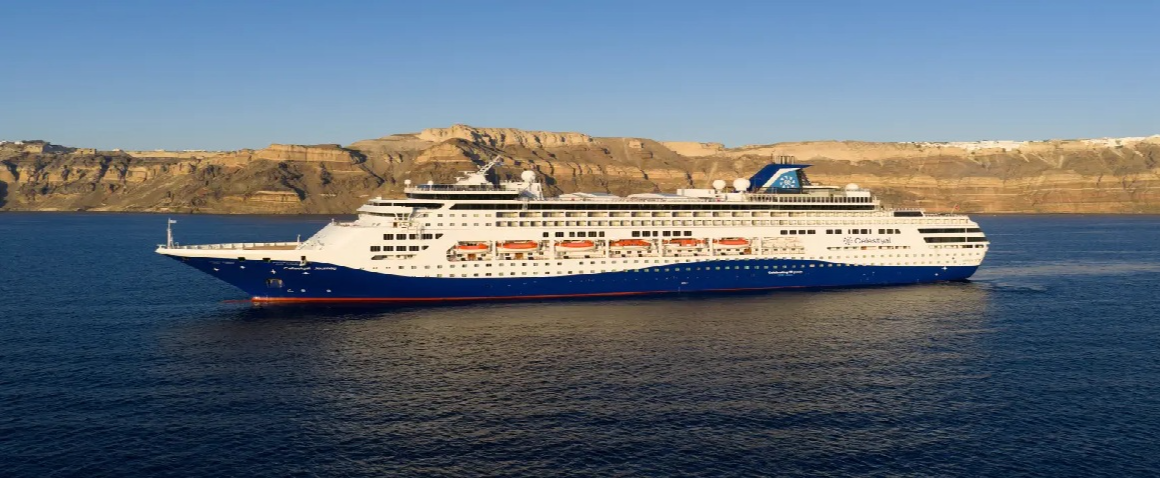
Celestyal Journey1

Celestyal Journey

Visit the ship's page

MSC Cruises (55 Cruises)

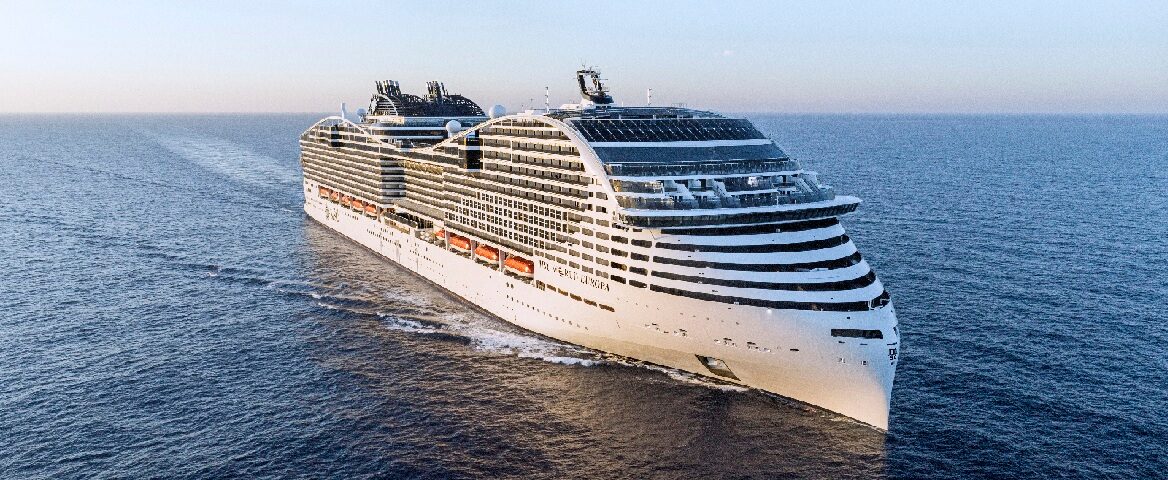
MSC World Europa3

MSC World Europa

5400 Passengers
Visit the ship's page

Sir Bani Yas | Cruise Port Guide

Gazelles on an island in the Persian Gulf. The scene seems improbable, and yet it greets passengers in the very first minutes: Sir Bani Yas, off the west coast of Abu Dhabi, devotes more than half its territory to a wildlife reserve born of a conservation project launched in the early 1970s by Sheikh Zayed. The once-arid island has become a refuge where thousands of animals live, and one of the most unusual port calls on Gulf cruises.

Stepping ashore with dry feet

Since 2022, a jetty has allowed ships to dock directly, where they once had to anchor offshore and reach the beach by tender. You therefore step off a few paces from the sand, with no waiting. The welcome takes place beneath the palm trees: shady paths, Bedouin-inspired tents, music and armchairs facing the sea. Since the island is private and entirely dedicated to day visitors, everything is within walking distance or a short shuttle ride. Excursions are best booked on board the day before, as safari spots go quickly.

A polished beach day

The beach reserved for cruise passengers stretches along a long ribbon of pale sand, furnished with hundreds of lounge chairs, shaded cabanas and refreshment counters. The turquoise water, shallow and calm, is perfect for family swimming. The more active will find volleyball courts, kayaks and snorkelling outings, while others book a massage facing the sea or simply settle in the shade with a book. You could easily do nothing else all day, and many stick to that program, a book in one hand, an iced drink in the other, toes in immaculately clean sand.

Safari in the Arabian reserve

Yet the island's heart beats elsewhere. The Arabian Wildlife Park, which covers most of the inland territory, is home to more than 13,000 animals: Arabian oryx saved from extinction, gazelles, giraffes, ostriches, hyenas and cheetahs, among other residents. In an all-terrain vehicle driven by a guide, you travel tracks and savannahs planted with acacias, binoculars in hand, while the guide recounts the return of each species. Seeing a herd of oryx cross in front of the hood, horns as straight as spears, remains the image most passengers take home from the island.

Mangroves, salt hills and Christian memory

Other outings reveal less expected facets: kayaking in mangrove channels where herons and flamingos wade, hiking or cycling on the hills formed by a salt dome that pushed the island out of the sea, or a visit to the archaeological site where excavations have uncovered the remains of a pre-Islamic Christian monastery, a rare testimony to the ancient history of the Gulf. The island tells its story in layers: geology, faith, pastoralism, conservation.

  • Relaxation: landscaped beach, swimming and a Bedouin tent a few steps from the ship.
  • Adventure: guided safari in the reserve, mangrove kayaking or salt dome trails.
  • Curiosity: monastery ruins and the story of Emirati conservation.

As evening comes

As the sun sets over the Gulf, the last swimmers walk up the gangway with salt still on their skin, passing the smell of grills being put out. From the deck, the island becomes a low, dark silhouette again, where you can imagine, somewhere among the acacias, herds carrying on their lives unwatched. Sir Bani Yas leaves a rare feeling: that of having spent the day inside an open-air conservation project, where visitors' relaxation funds the animals' peace. Few port calls reconcile pleasure and purpose so simply.

Frequently Asked Questions

Since 2022 a jetty lets ships tie up directly at the island. You step ashore a few paces from the sand, with no tender and no queue, which changes the whole day compared with the old anchorage.
Yes. The island belongs to the emirate of Abu Dhabi and the arrival area is entirely given over to visiting passengers: shaded walkways, Bedouin-style tents, loungers facing the sea. There is no town, no souk and no shopping to see.
A safari in the Arabian Wildlife Park plus beach time fits comfortably into half a day. The other activities on offer revolve around kayaking, mountain biking, archery and horseback riding.
Gazelles within the first few minutes, then Arabian oryx, giraffes, cheetahs and hyenas inside the wildlife park. More than half the island is given to this reserve, born of a conservation project launched in the early 1970s by Sheikh Zayed.
Yes, the beach sits a few steps from the jetty and the Arabian Gulf water is calm and warm. It is the easiest swim of any Gulf call, with no taxi and no transfer.
Strongly recommended. Safari capacity is limited by the reserve's vehicles, and departures often sell out well before the call.
Very much so: the beach is stroller-friendly, the safari is done by vehicle and the animals hold children's attention. Some sporting activities set a minimum age.
The UAE dirham (AED), though the question barely comes up: there are no independent shops on the island. Excursions and drinks normally go through the ship or the resort.
English in practice, with Arabic as the official language. Reserve and hospitality staff work in English.
November through March, when the heat stays bearable for a safari and a beach day. In summer the Gulf tops 45 °C and the animals hide in the shade: you see little and suffer plenty.