Alderney Island St Anne, Channel Islands UK
United Kingdom

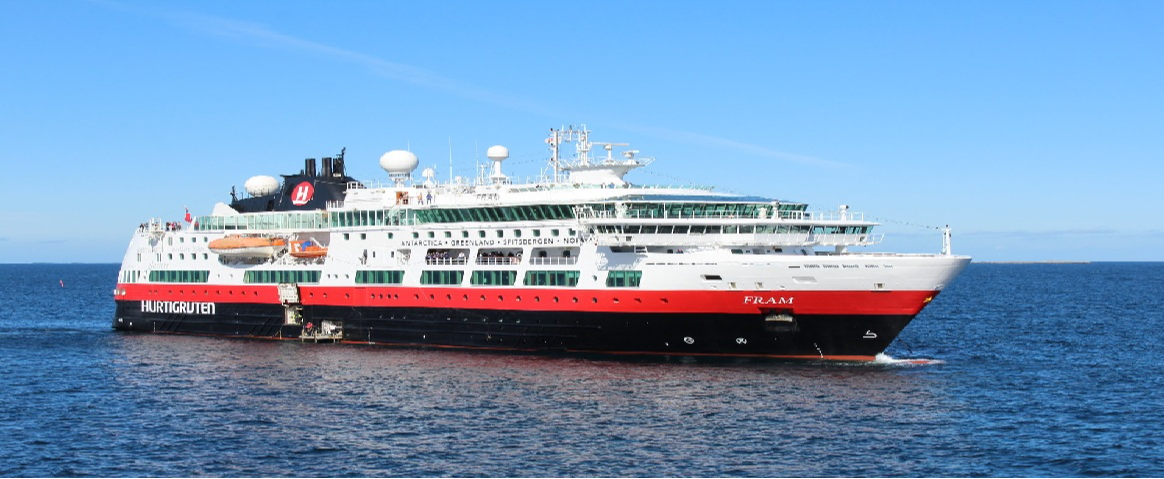
Alderney is the least known of the Channel Islands accessible to travellers, and its inhabitants are not complaining. Third of the archipelago by size, about fifteen kilometres from the French coast, the island cultivates a discretion its neighbours Jersey and Guernsey abandoned long ago. Ships anchor in Braye Bay, protected by a long Victorian breakwater, and land their passengers by shuttle at the small port, where the day begins to the rhythm of lobster pots being hauled up.

From Braye to St Anne

From the port, the sole town, St Anne, is reached on foot in about twenty minutes by a road that climbs gently, or by taxis and shuttles that circulate on port call days. The arrival rewards the climb: cobbled streets bordered by cottages in pastel tones, family shops, pubs where everyone knows everyone. The parish church, nicknamed the cathedral of the Channel Islands for its surprising size, and the small history society museum, installed in a former school, sum up well the character of the place: modest in appearance, rich in stories.

An Island Fortified Twice

Alderney bears the traces of two great fears. In the nineteenth century, the British, anxious about French ambitions, bristled the territory with a dozen Victorian forts and built the immense breakwater; Fort Albert, above the anchorage, offers from its surrounds a circular view over the entire island. A century later, German occupation left bunkers and concrete observation towers, vestiges of a dark period during which the population had been evacuated to England. Walking here is to cross this double military legacy set upon landscapes of moorland and coves that have retained only the light.

Trails, Beaches and Seabirds

With about 80 kilometres of trails, the island lends itself to walks of all ambitions. Braye and Saye beaches, steps from the quays, unfurl clear sand that astonishes at these latitudes; the coves of the south coast, wilder, are earned by the cliff paths. Off the western point, the rocks of the Étacs carry a colony of northern gannets whose dives can be observed from shore, binoculars in hand. To the north, the isle of Burhou shelters a colony of Atlantic puffins, and ornithology enthusiasts consider Alderney one of the Channel's best observation posts. You also find a more discreet curiosity here: a population of blonde hedgehogs, the local mascot you encounter mostly at dusk.

  • Landing: by shuttle in Braye Bay; sea taxi in summer
  • St Anne: about 1.5 kilometres from port, gentle climb
  • Fort Albert and neighbouring beaches: within walking distance of the landing
  • Currency: sterling; cash useful in small shops, several not accepting all foreign cards

Pub Hours

Before descending back toward the landing, allow yourself a stop in a St Anne pub or a table facing the bay. Lobster and crab come from neighbouring waters, local beers invite tasting, and conversation starts quickly: on an island of about 2,000 inhabitants, a visitor never quite passes unnoticed, and that is just as well.

Alderney is visited in a day and recounted for years. This mixture of English gentleness, military memory and marine nature resembles no other Channel port of call. Looking at the breakwater receding from the deck, you understand why some island regulars always end up returning to the most secret of them all.

Frequently Asked Questions

By tender. Ships anchor in Braye Bay, sheltered by a long Victorian breakwater, and land passengers at the small harbour, where the day begins to the rhythm of lobster pots being hauled in.
Yes: about 1.5 km, roughly twenty minutes along a gently climbing road. Taxis and shuttles also run on call days for those who prefer to skip the climb.
Cobbled streets lined with pastel cottages, family-run shops and pubs where everyone knows everyone. The parish church, nicknamed the cathedral of the Channel Islands for its surprising size, and the small historical society museum in a former schoolhouse sum up the character of the place.
Because it carries the marks of two great fears. In the 19th century the British, uneasy about French ambitions, studded the island with a dozen Victorian forts and built the vast breakwater. A century later the German occupation left concrete bunkers and observation towers, remnants of a dark period during which the population had been evacuated to England.
The walk up to St Anne, Fort Albert above the anchorage for its all-round view of the island, a beach — Braye or Saye, steps from the quays — and a stop at a pub before heading back down.
Yes. Braye and Saye beaches, steps from the quays, offer pale sand surprising at this latitude. The wilder coves of the south coast must be earned by the cliff paths.
Off the western point, the Ortac and Les Etacs rocks hold a gannet colony whose dives can be watched from shore, binoculars in hand. To the north, the islet of Burhou shelters a puffin colony. Birdwatchers rate the island among the best vantage points in the Channel.
Yes: some 80 km of paths cross the island, suiting walks of every ambition, from cliff paths to inland heath. You may also meet a quieter curiosity, a population of blonde hedgehogs, the local mascot, usually seen around dusk.
The pound sterling and English. Bring cash: several small shops do not accept all foreign cards.
Lobster and crab straight from the surrounding waters, along with local beers, in a St Anne pub or at a table facing the bay. On an island of about 2,000 people conversation starts quickly: a visitor never goes entirely unnoticed.